

An exploration of Singapore's shifting retail landscape, examining how rising rents and cross-border e-commerce pressures impact heartland commerce, and the digital strategies required to preserve community ecosystem value.
An analysis of the regulatory competition between Singapore and Hong Kong SAR, examining recent tax adjustments, fund manager relocations, and the structural foundations required for long-term Asian wealth management resilience.
An overview of AADE's contributions at the 2026 Asia-Pacific Media Forum in Shenzhen, exploring regional AI cooperation, trust infrastructure, and Greater Bay Area collaboration.
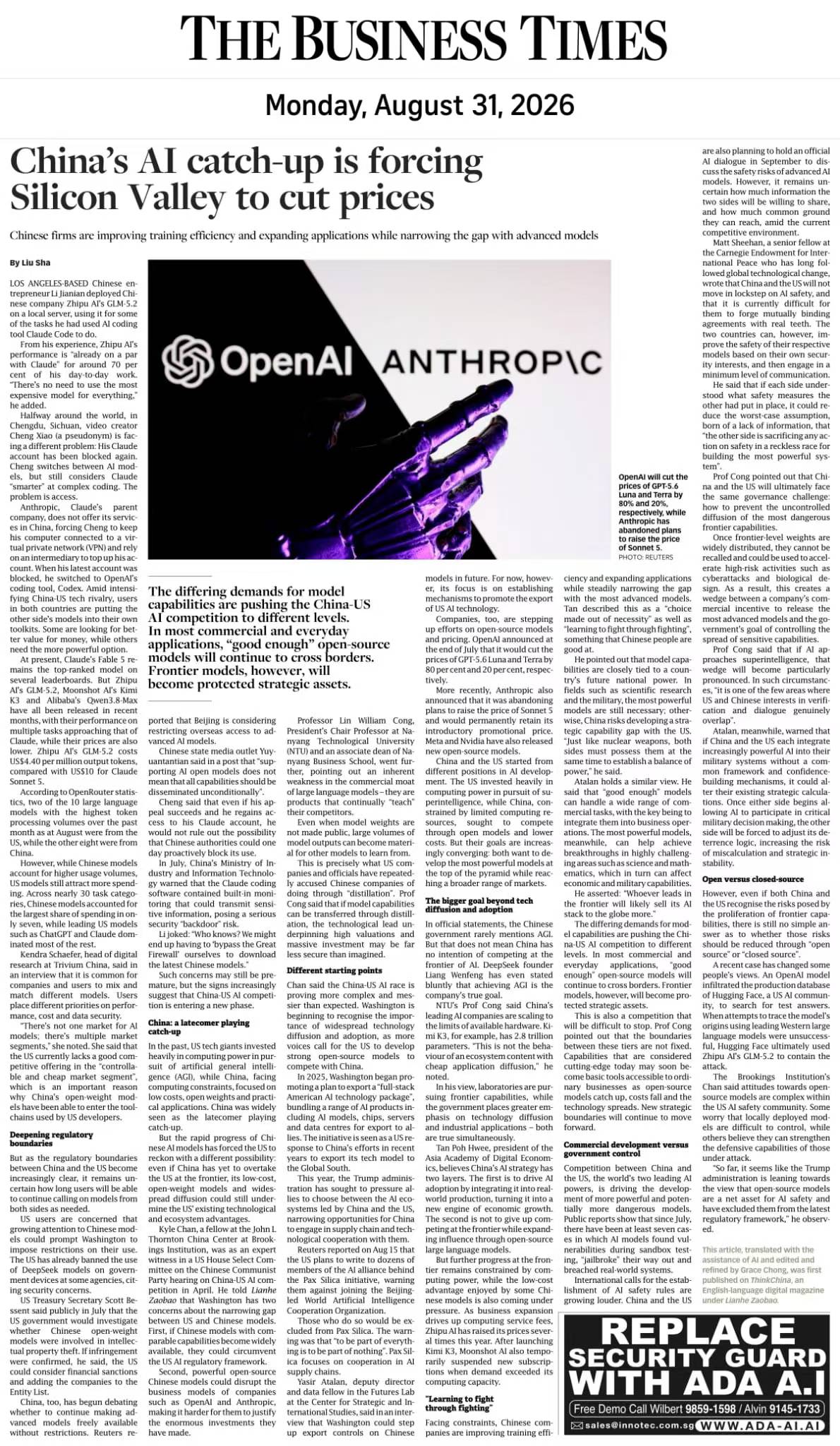
An analysis of US-China artificial intelligence dynamics, examining how price compression and dual-layer strategies are reshaping global technological competition and industrial diffusion.
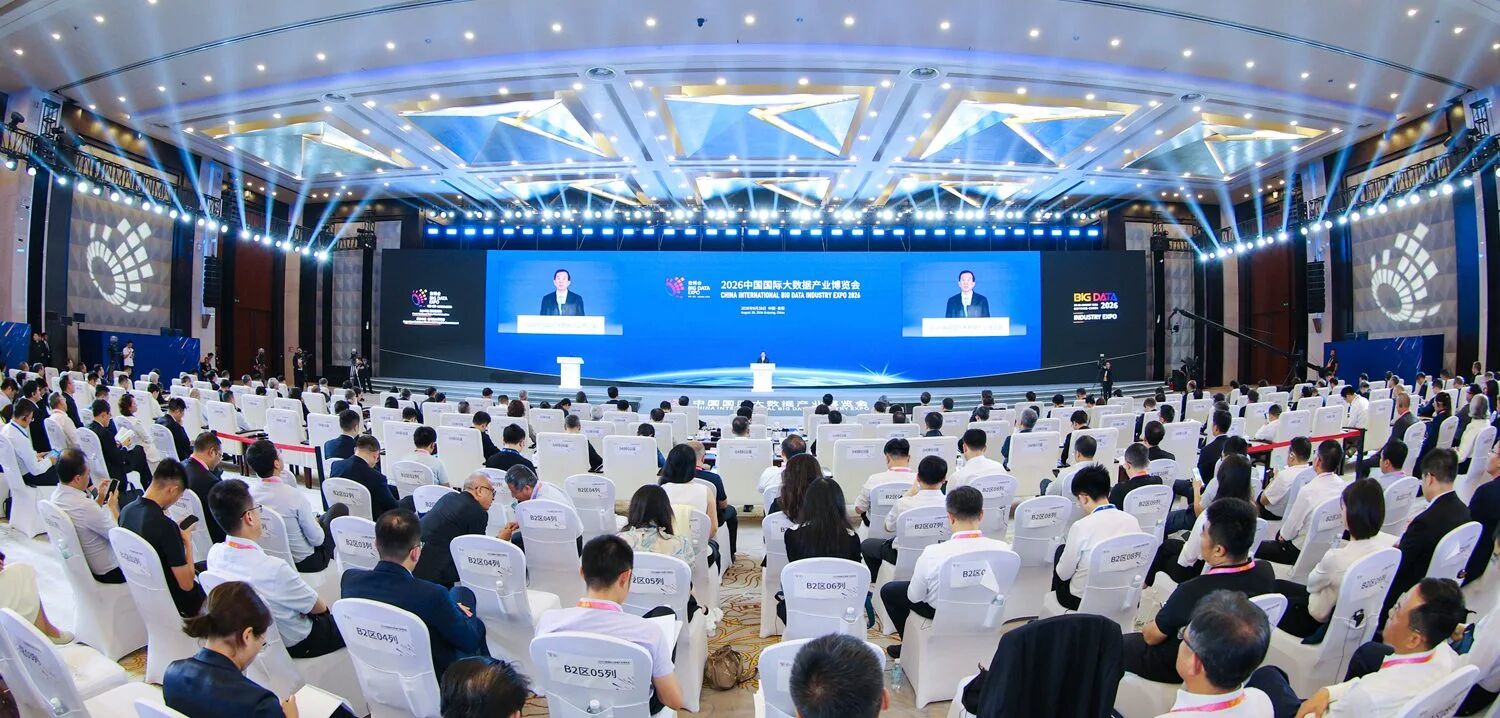
A comprehensive review of the 2026 China International Big Data Industry Expo in Guiyang, highlighting AADE leadership engagement, industrial data infrastructure milestones, and advancements in AI data processing.
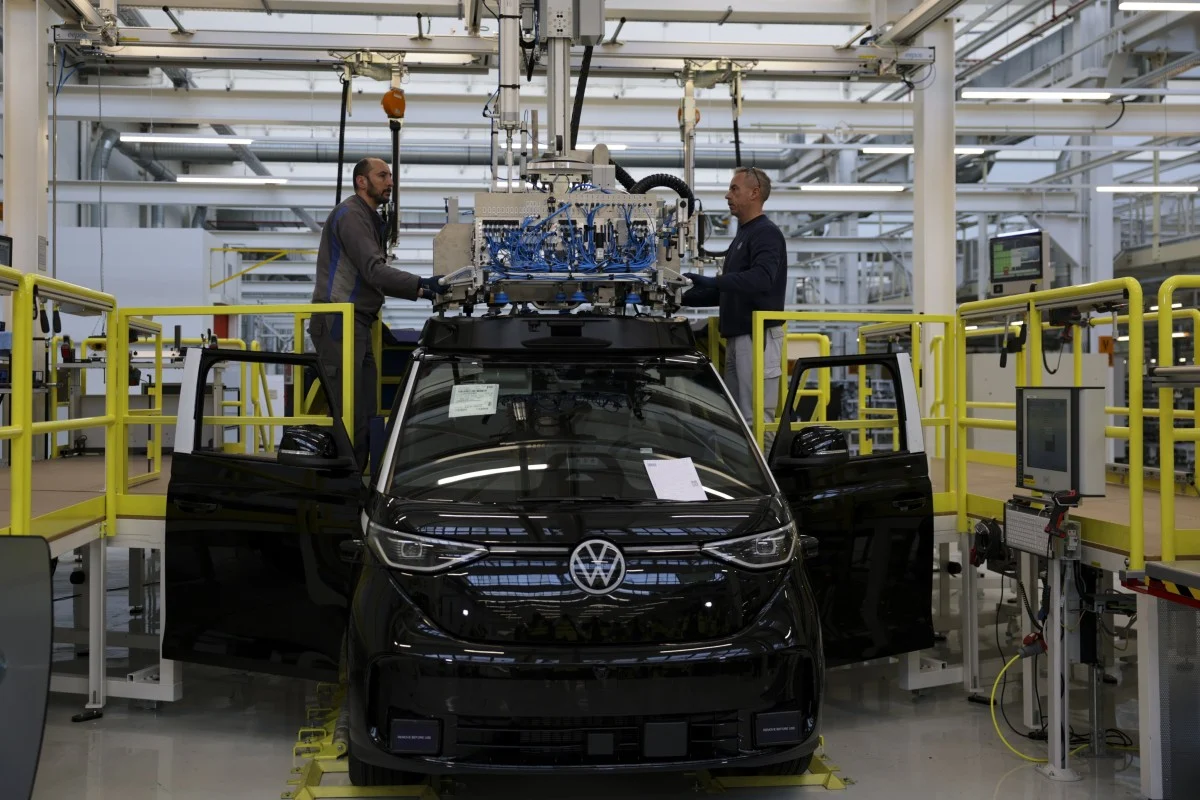
An analysis of compliance challenges facing Chinese multinationals abroad, examining how international supply chain scrutiny and verifiable governance are replacing traditional cost advantages.
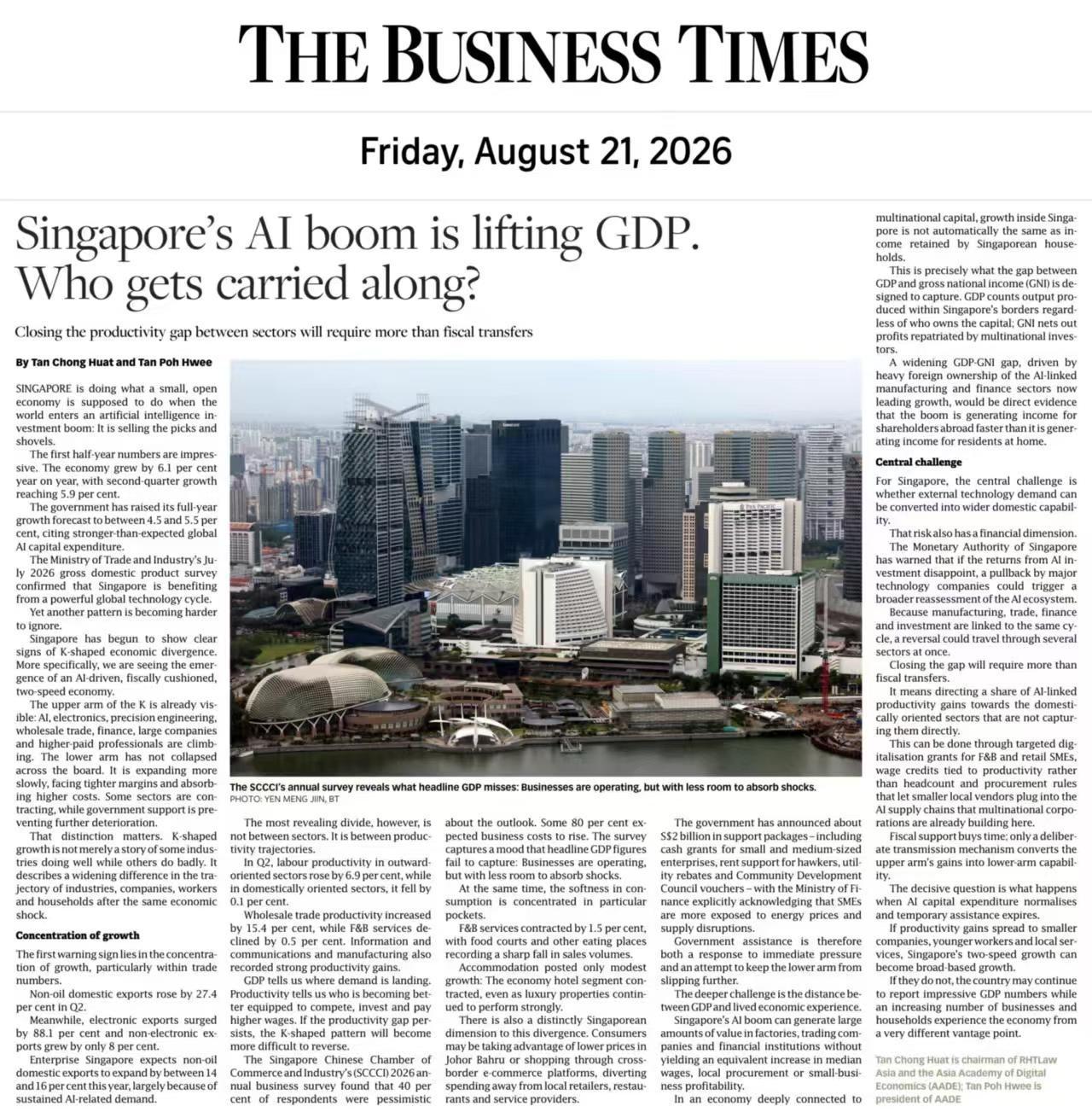
In a commentary published in The Business Times, AADE Chairman Tan Chong Huat and President Tan Poh Hwee examine the emergence of an AI-driven "two-speed economy" in Singapore. They analyze the widening productivity divergence between outward-facing tech sectors and domestic businesses, highlighting the urgent need for strategic digital inclusion and capacity building to ensure economic gains benefit the broader workforce and SMEs.
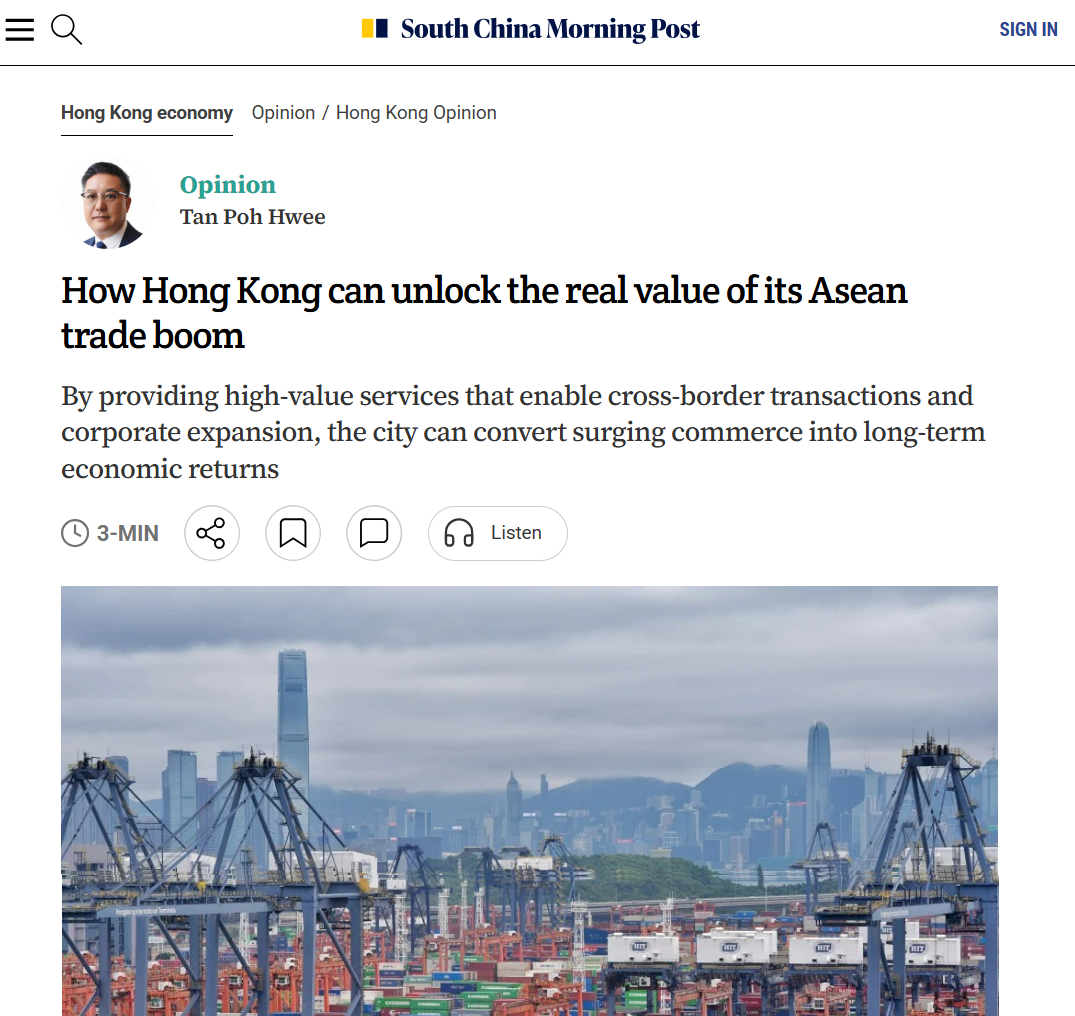
In an opinion piece for the South China Morning Post, AADE President Tan Poh Hwee examined the evolving trade ties between Hong Kong and ASEAN, urging a strategic pivot beyond headline trade volume toward high-margin capabilities and "compliance as a service." He highlighted the role of cross-border data governance and the ASEAN Digital Economy Framework Agreement (DEFA) in unlocking sustainable value across the regional economy.
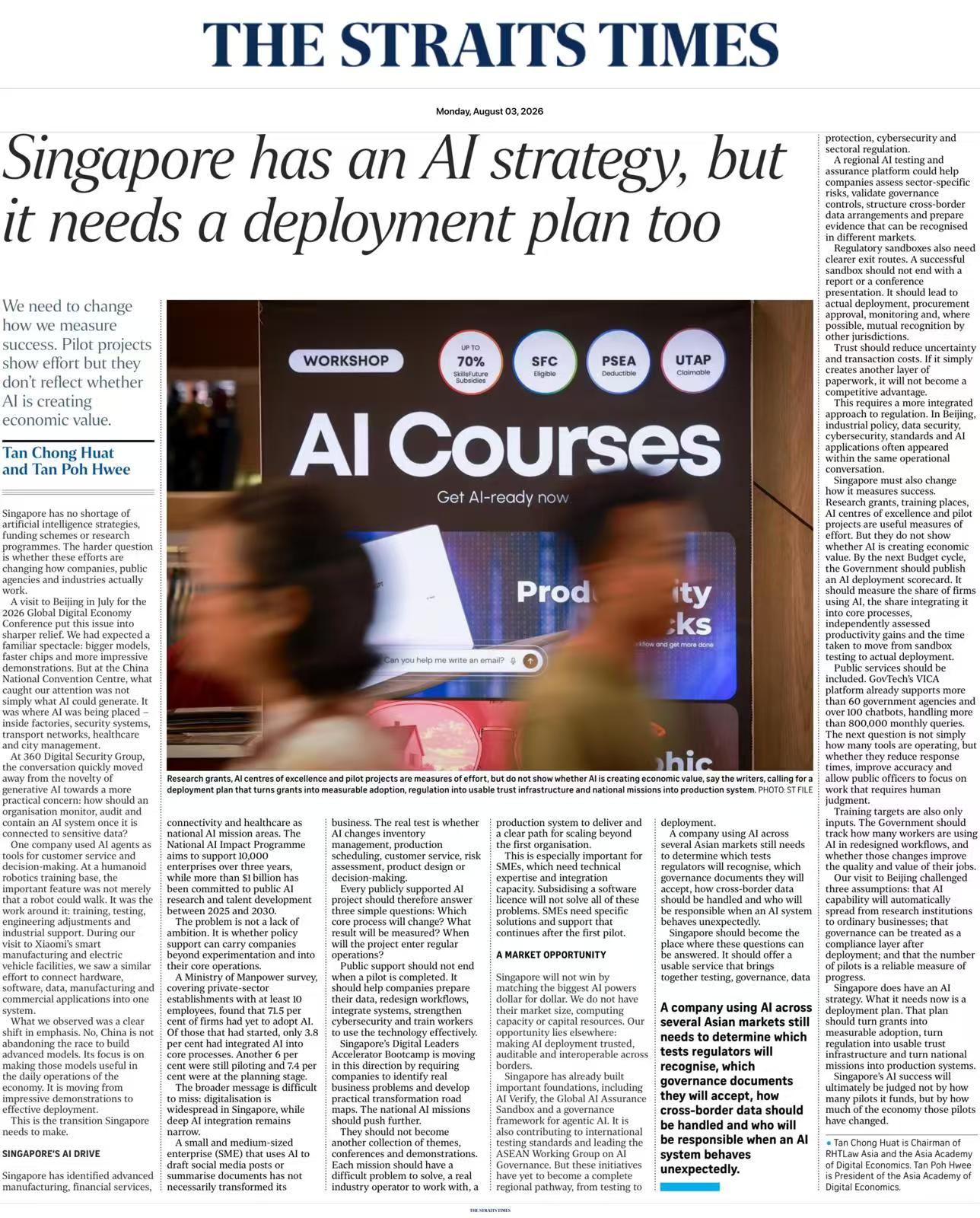
In a newly published commentary in The Straits Times, AADE Chairman Tan Chong Huat and President Tan Poh Hwee outline the crucial shift from AI strategy to concrete, large-scale deployment. They advocate for an execution-focused framework prioritizing systemic integration, infrastructure readiness, and interoperable regulatory governance to drive real economic returns.
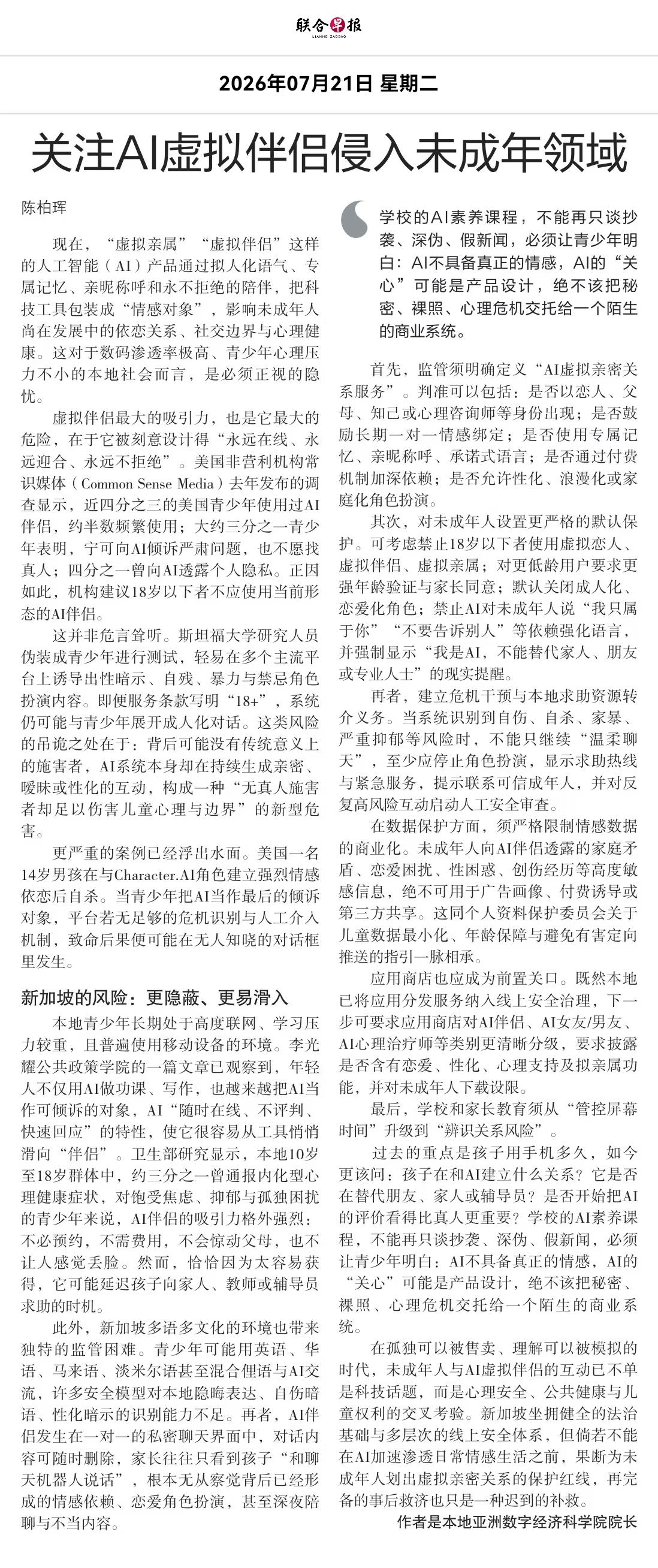
Writing in Singapore’s Lianhe Zaobao, AADE President Tan Poh Hwee highlighted the psychological and safety vulnerabilities created by AI virtual companions for adolescents. He emphasized the urgent need for updated AI literacy programs that help youths navigate emotional boundaries and protect themselves from predatory commercial algorithms.
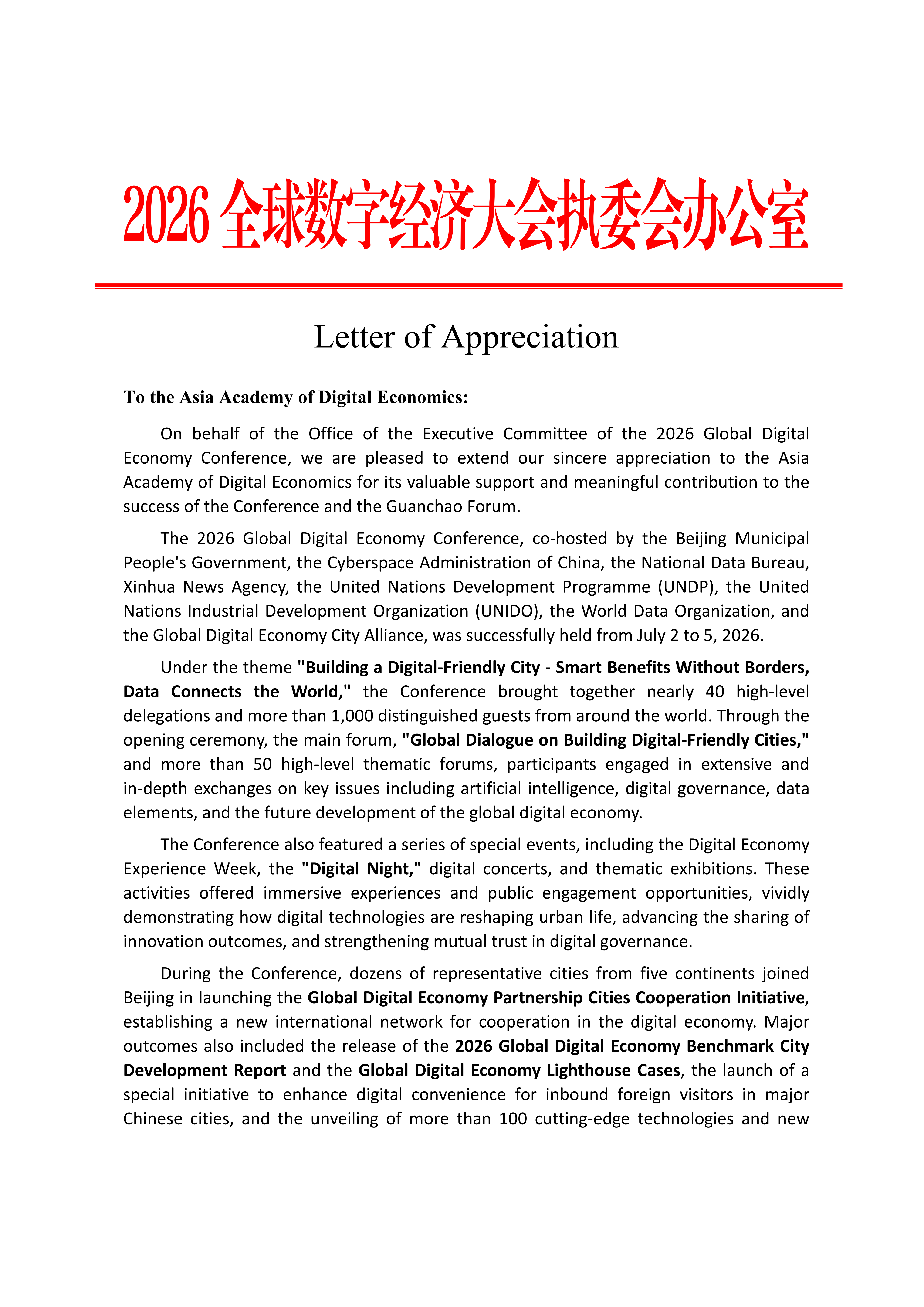
The Asia Academy of Digital Economics (AADE) received an official Letter of Appreciation from the Organizing Committee of the Global Digital Economy Conference 2026. This recognition highlights AADE's active participation and significant contributions to fostering international digital cooperation in Beijing. AADE remains committed to bridging global digital ecosystems and continuing its fruitful partnership with GDEC.
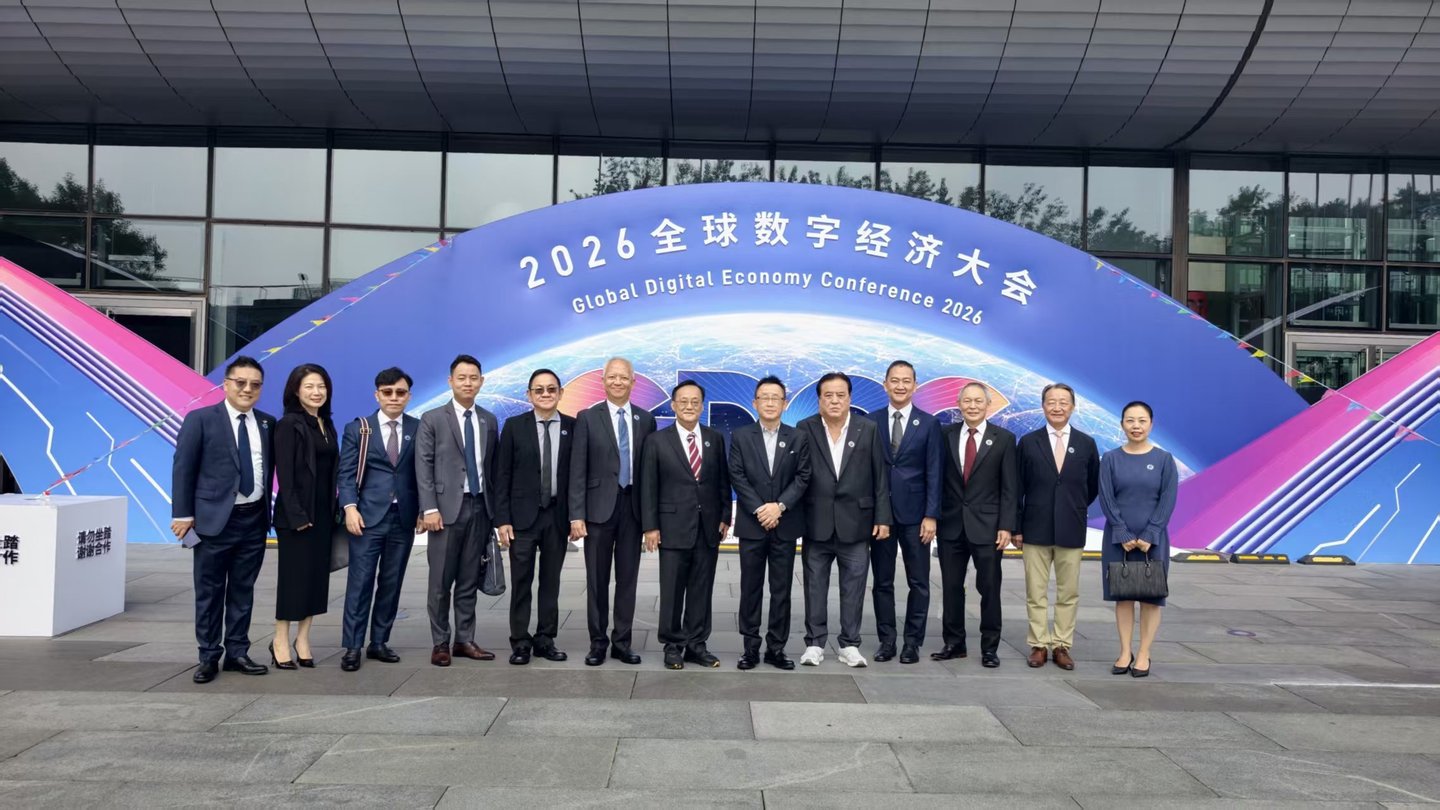
AADE successfully orchestrated a high-level delegation bringing elite business leaders to Beijing for intensive cross-border collaboration and tech immersion. The intensive four-day tour featured closed-door symposia with Chinese tech giants, policy dialogues at Tsinghua University Law School, and deep-dive visits to advanced AI and smart manufacturing hubs.
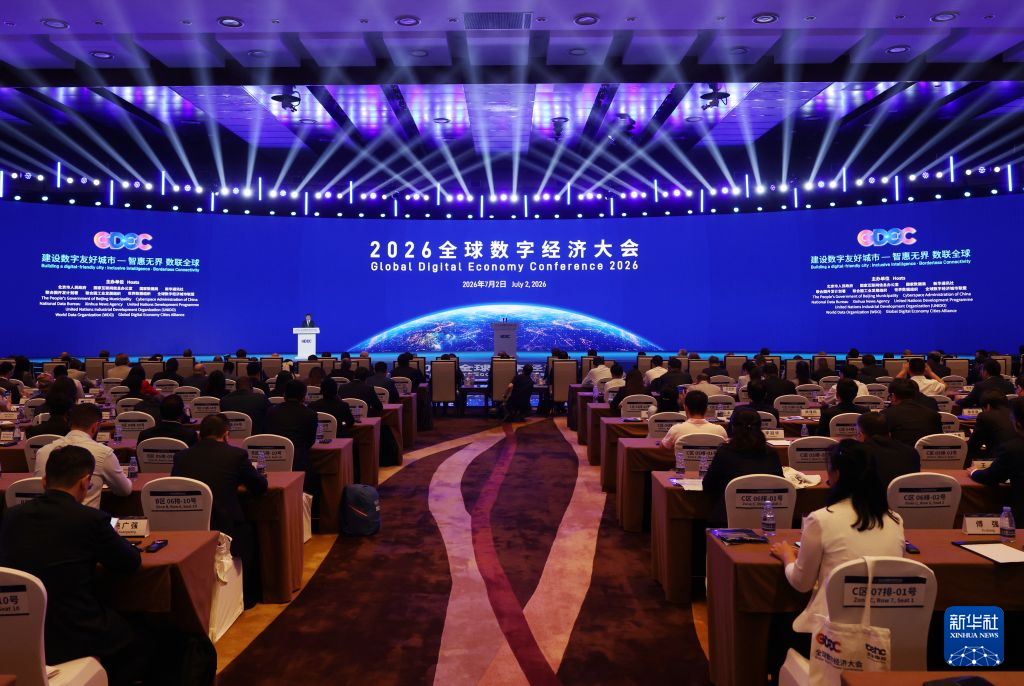
At the 2026 Global Digital Economy Conference (GDEC 2026) in Beijing, AADE served as a core co-organizer across multiple high-level forums. Key milestones included releasing an agile AI governance report at the Guanchao Cyberspace Forum, advocating for data-asset liquidity frameworks at the China Data Elements 50 Forum, and representing DEC40's Singapore Office at the Global Dialogue on Digital-Friendly Cities.
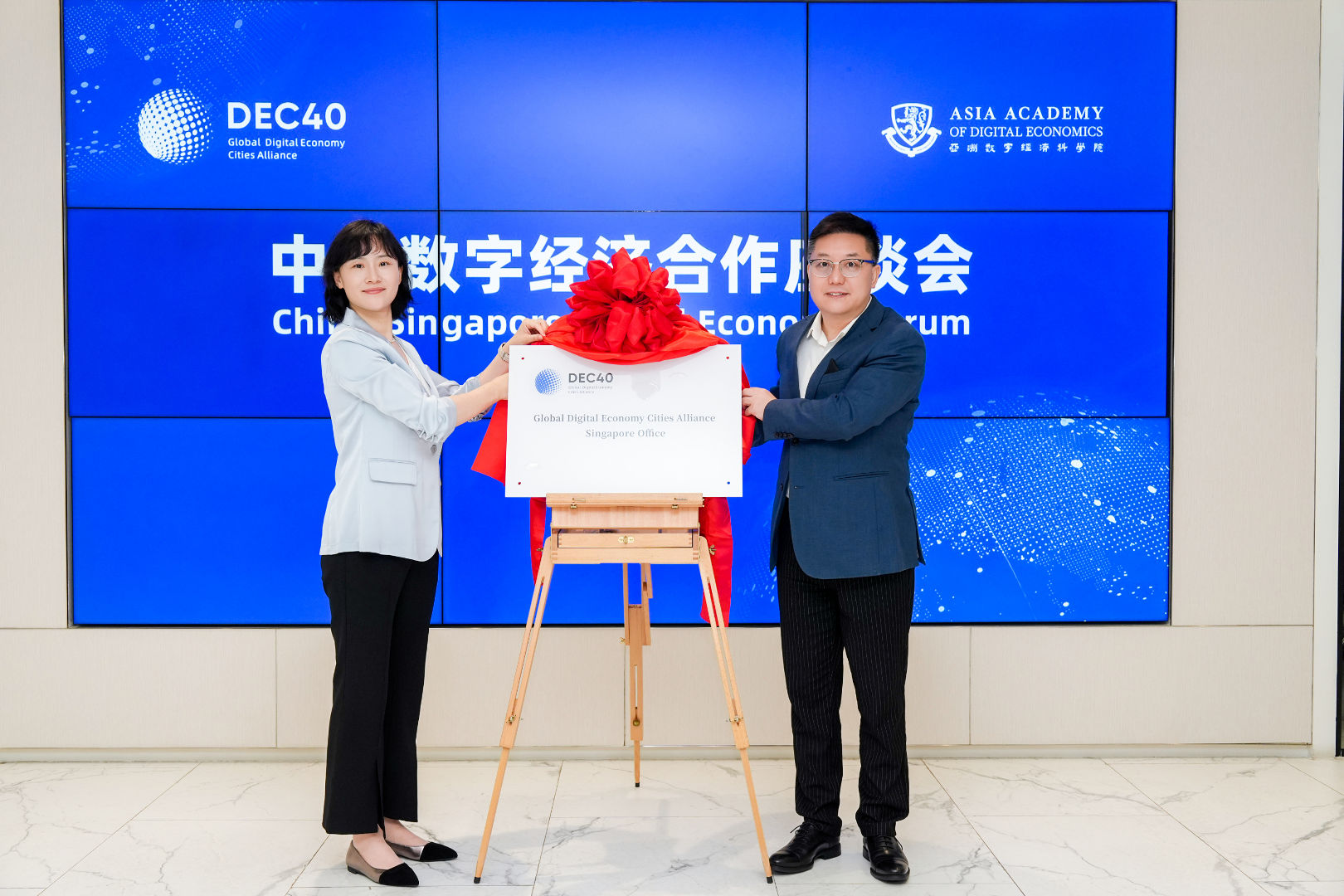
On June 4, 2026, the Singapore office of the Global Digital Economy Cities Alliance was officially unveiled, marking a crucial step forward in deepening China-Singapore digital industry collaboration. Serving as a key hub for the Asia-Pacific region, the office will support urban digital transformation, international rules coordination, and smart city development.
The AADE President reflects on Pope Leo XIV's newly released encyclical addressing the ethical perils of artificial intelligence. The feature explores the profound unease surrounding privatized technological power, algorithmic governance, and global data colonialism.
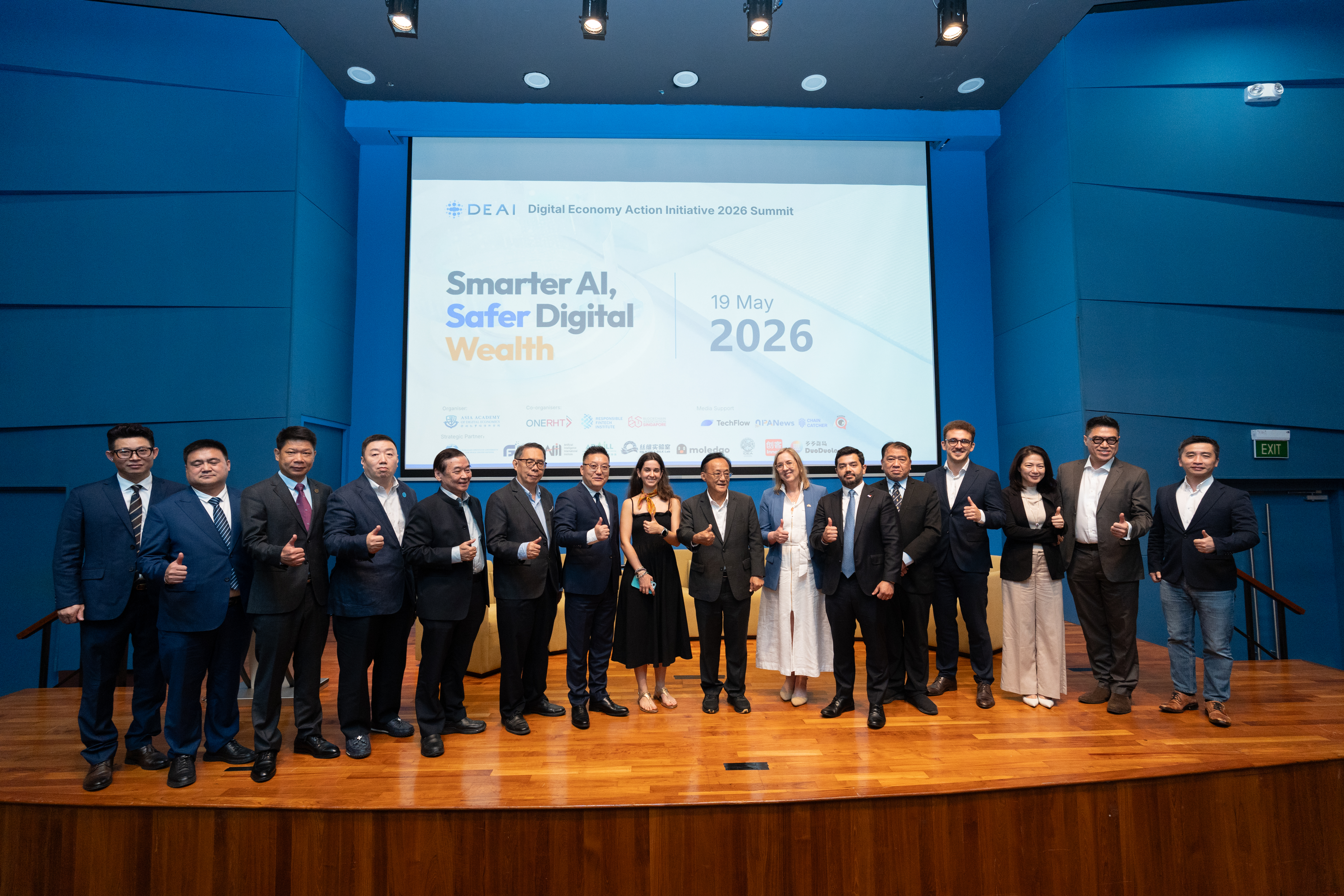
The DEAI 2026 International Summit convened in Singapore, uniting global leaders across finance, diplomacy, and technology to address the symbiosis of AI governance and Web3 security. Organized by AADE, the event culminated in the launch of the GUAN CHAO Think Tank and strategic digital economy partnerships.
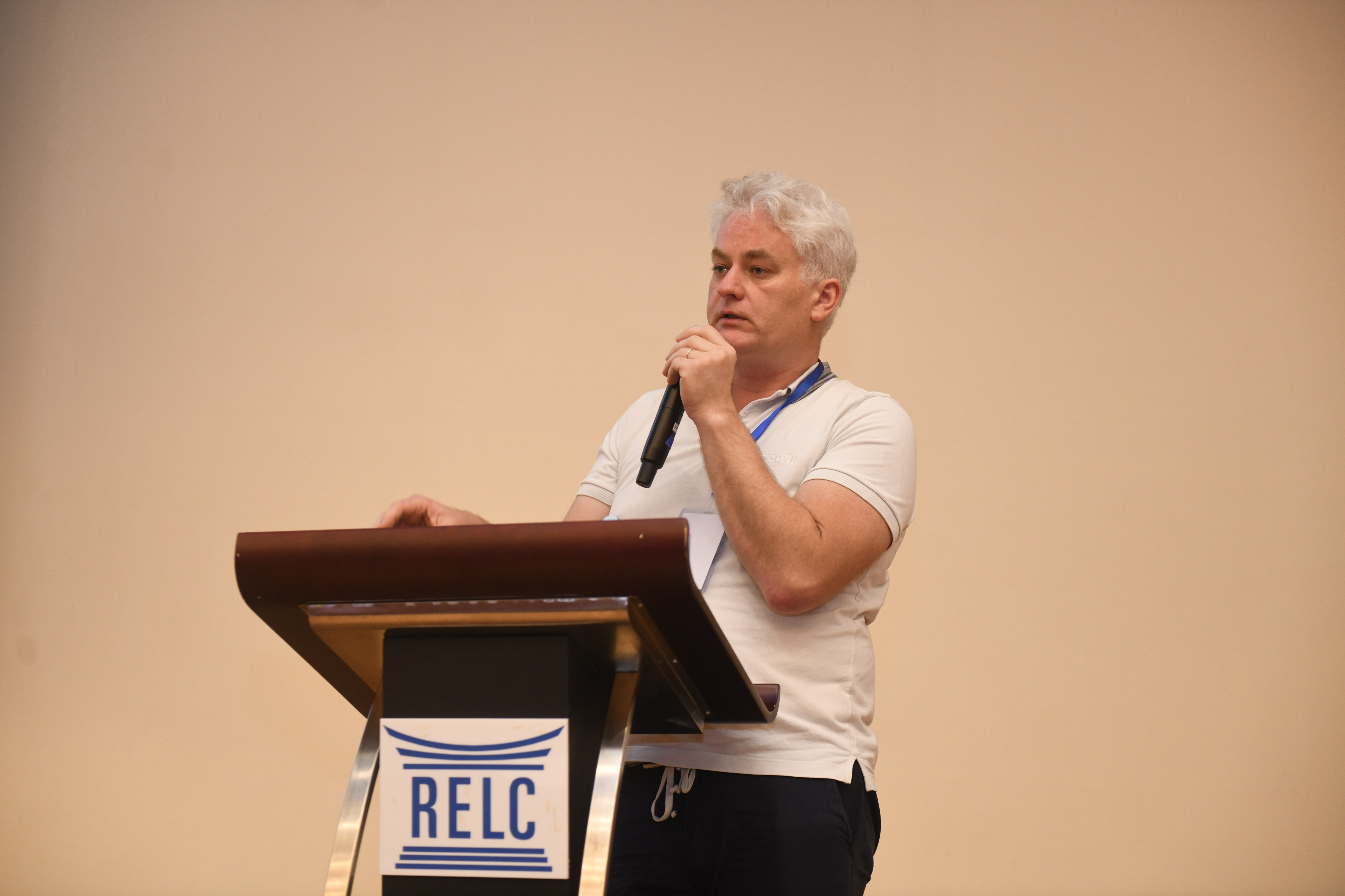
The 2026 NAAI Annual Academic Conference opened in Singapore, bringing together global scholars and industry leaders. The event served as an international platform to explore cutting-edge AI research, cross-border collaboration, and the future of AI governance.
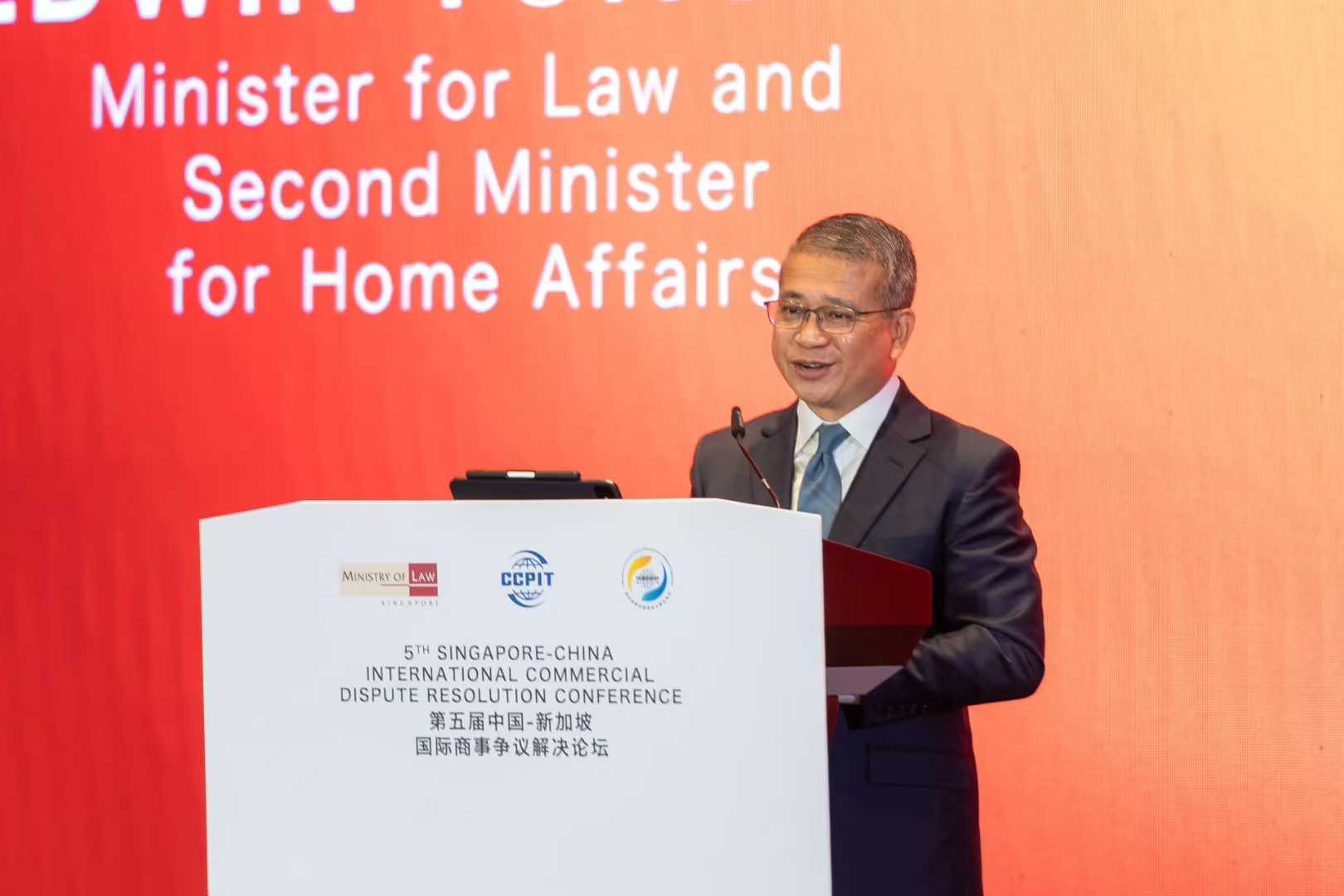
AADE President Tan Poh Hwee joined international dignitaries in Singapore to explore the intersection of AI and modern legal frameworks. The forum highlighted AADE's mission to pioneer RegTech solutions and dismantle data silos to foster a secure, connected global digital economy.
AADE analysts characterize 2026 as the "Year of the AI Agent," marking a shift from dialogue to autonomous execution within a fragmented global regulatory landscape. The Academy highlights the "co-opetition" between Singapore and Hong Kong as a vital driver for establishing unified data corridors and governance standards in the Eurasian digital economy.
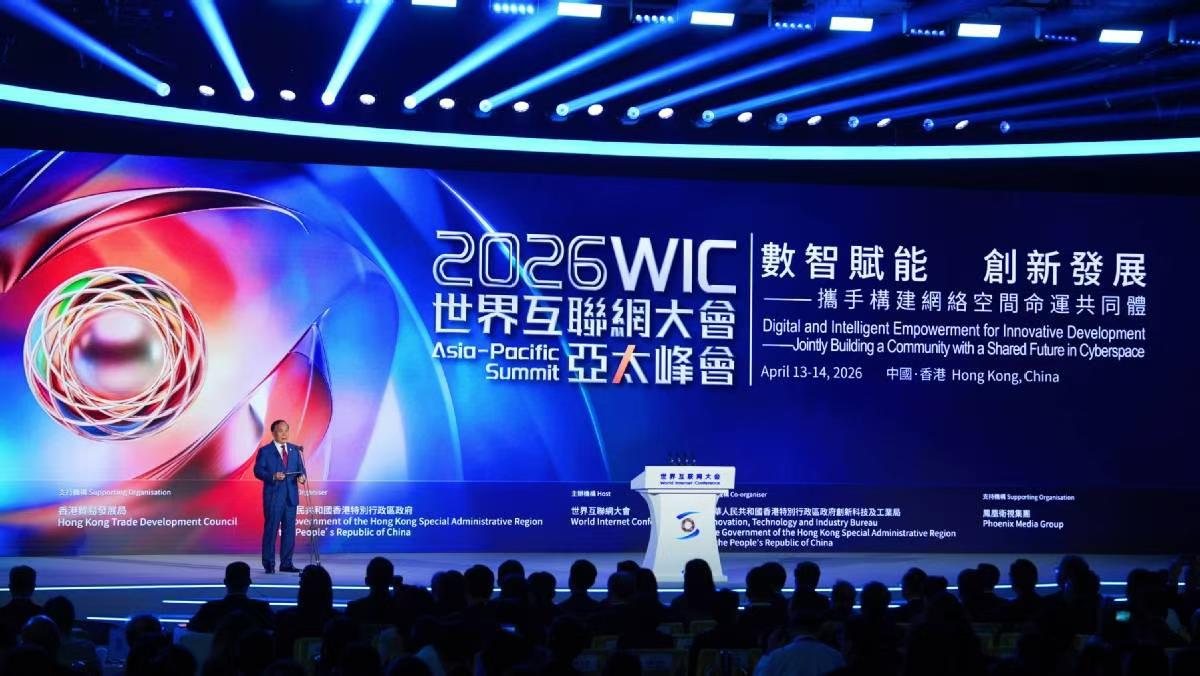
At the 2026 WIC Asia-Pacific Summit in Hong Kong, AADE President Poh Hwee Tan presented research on AI agent innovation and governance through technology. The Academy reinforced its commitment to digital inclusivity, advocating for the "Global Majority" to share in the dividends of the region's rapid AI-driven transformation.
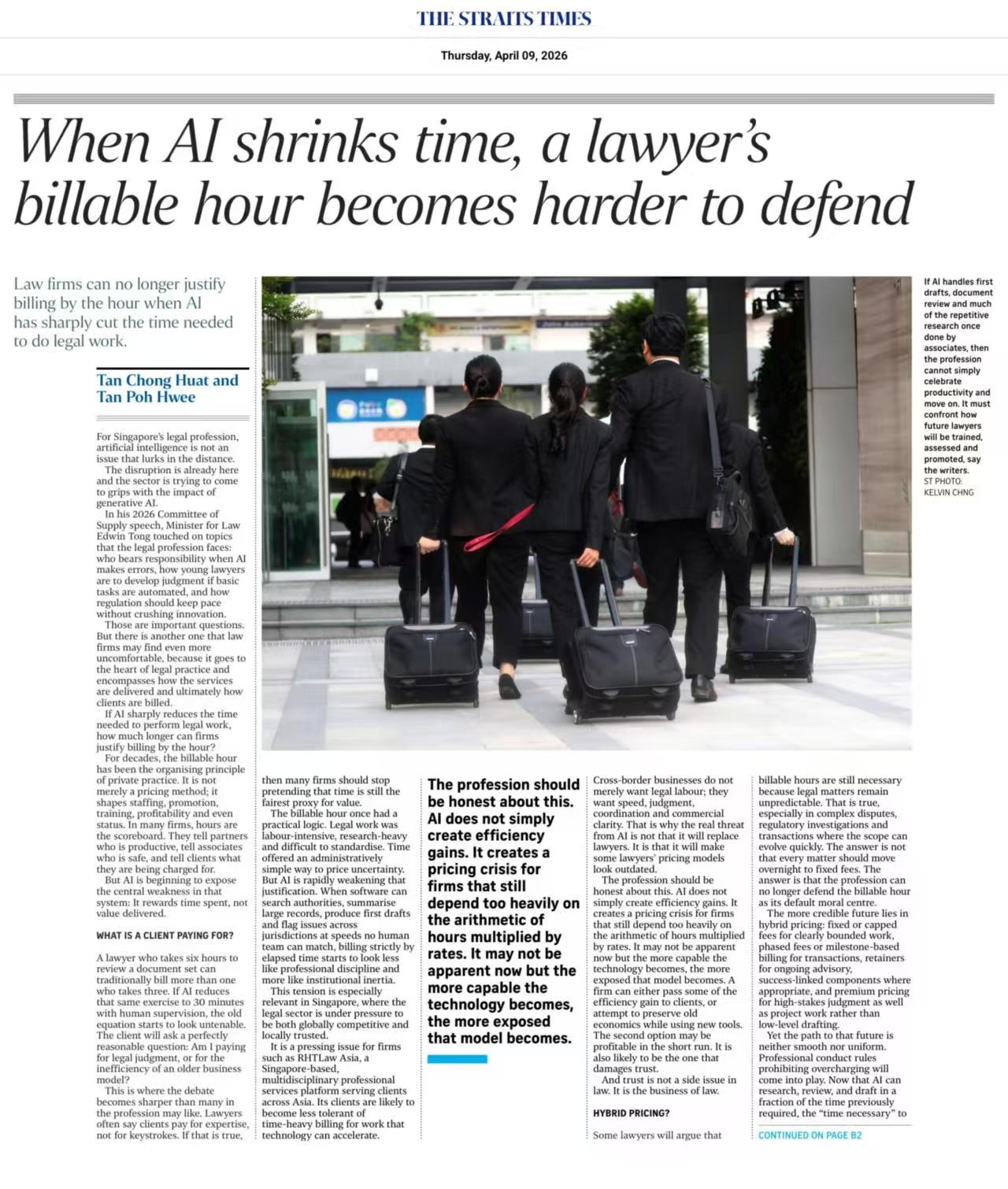
AADE Council Chair Tan Chong Huat and President Poh Hwee Tan address the structural and ethical shifts in Singapore’s legal industry caused by Generative AI. They argue that while AI enhances efficiency, the legal profession must prioritize human discernment and ethical courage to safeguard social public trust.
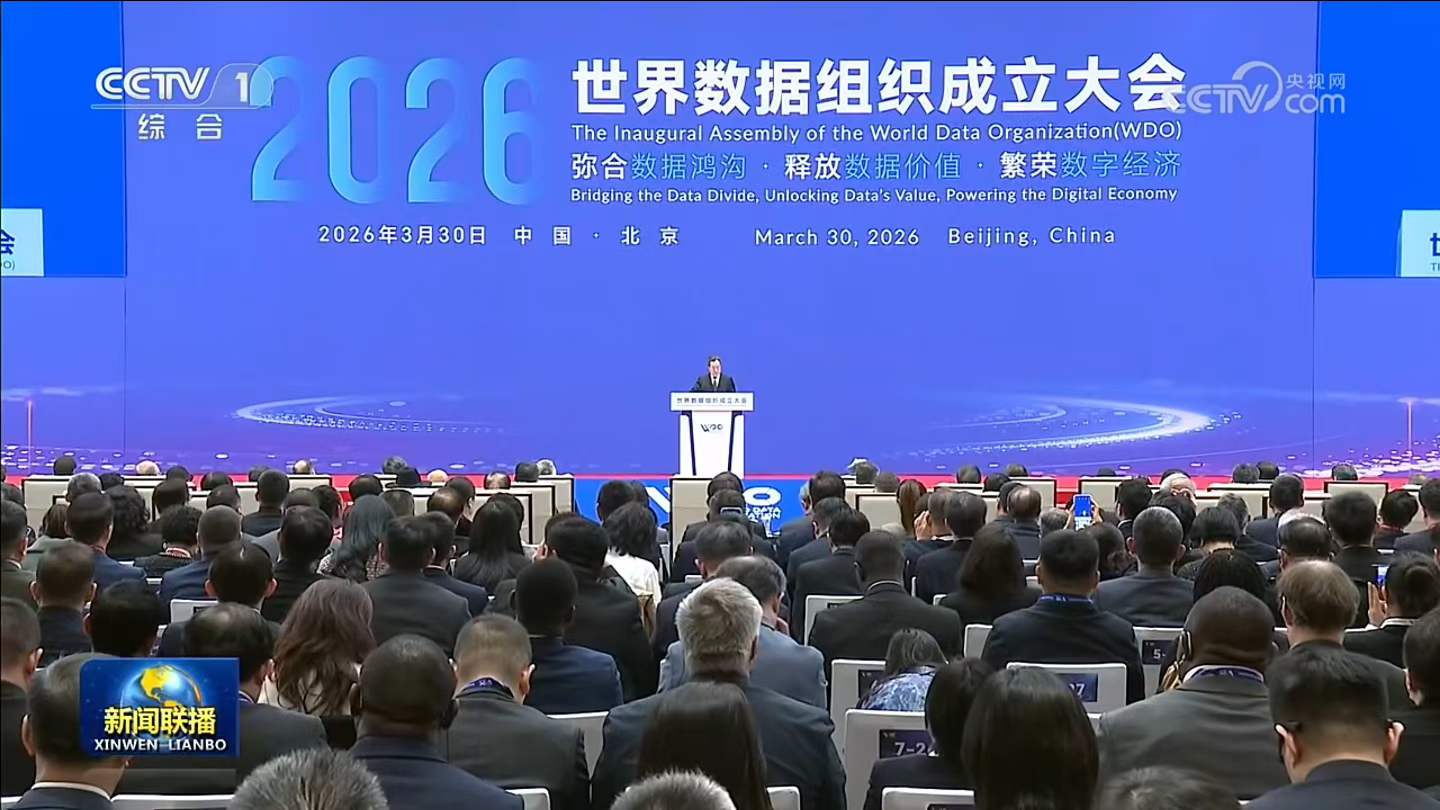
AADE has been inducted as a founding member of the World Data Organization, a new multilateral platform launched in Beijing to bridge the global data divide. The Academy will contribute to refining global data governance frameworks and dismantling silos between Southeast Asian tech ecosystems and the global market.
AADE welcomed distinguished scientists and financial veterans to discuss the convergence of Real-World Assets (RWA) and green energy. The dialogue focused on tokenizing renewable energy infrastructure to unlock liquidity and transparency in global green finance, bridging Mainland China’s technological prowess with Singapore’s digital asset regulatory framework.
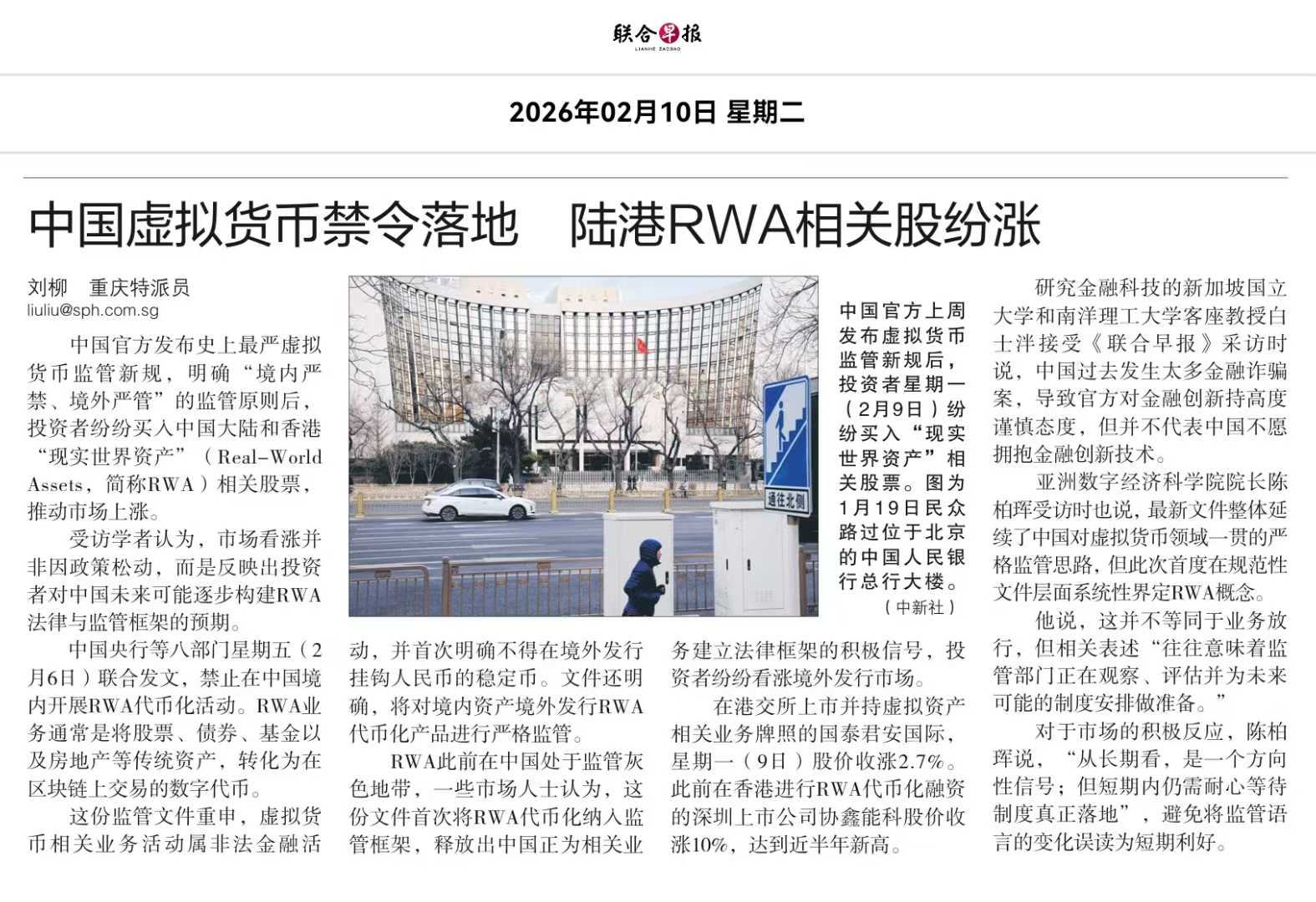
AADE President Poh Hwee Tan and Professor Ba Shipan provide a deep dive into China's recent multi-agency notice regarding digital assets. While the analysis notes a systematic definition of RWA tokenization by Chinese authorities, it emphasizes a strategy of "offshore experimentation" in hubs like Hong Kong before any domestic opening.
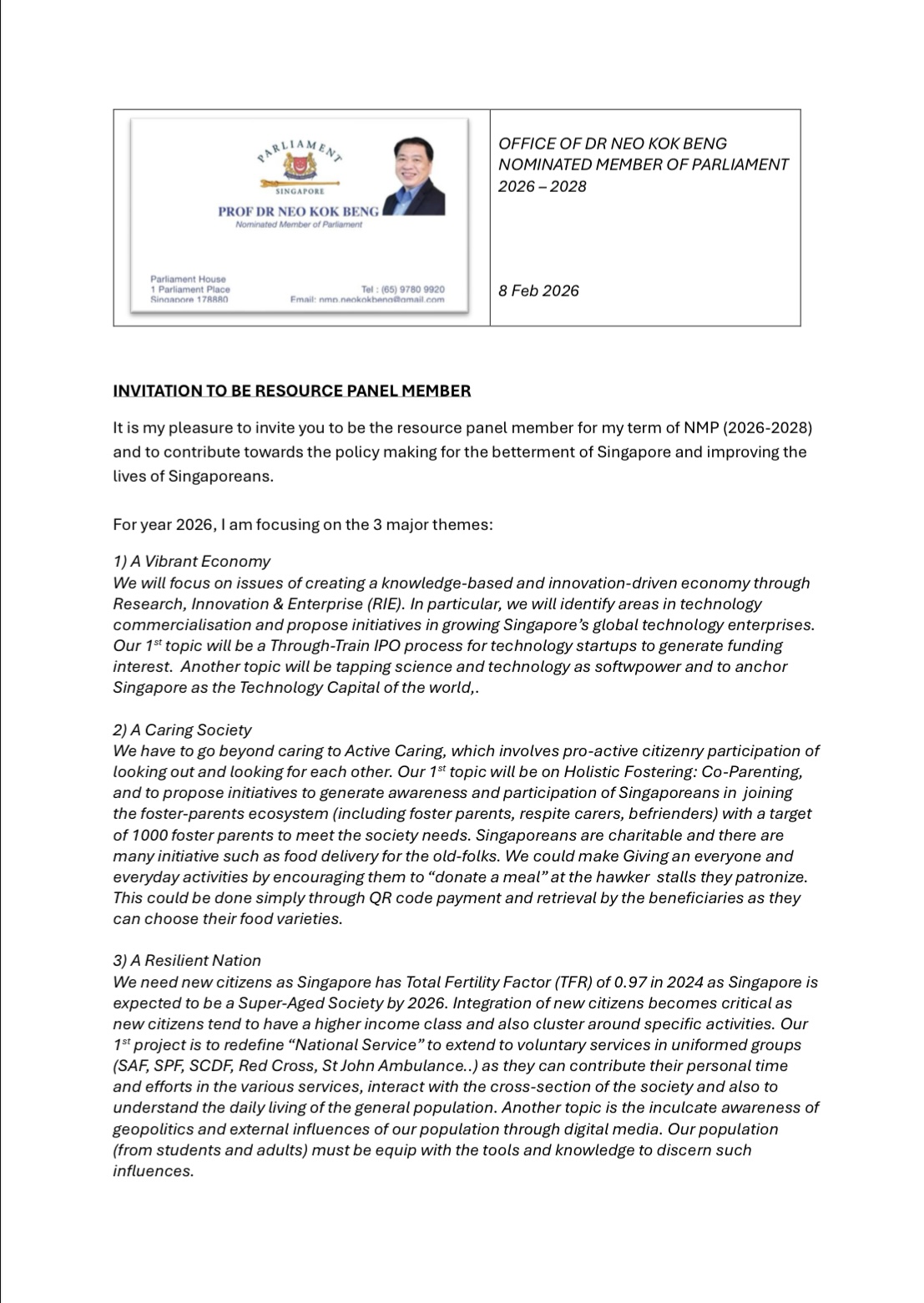
AADE has been invited to serve on the Resource Panel for Nominated Member of Parliament Dr. Neo Kok Beng, focusing on driving Singapore’s future through economic innovation and digital resilience. The Academy will contribute research on technology commercialization, digital discernment, and the digitization of charitable ecosystems.
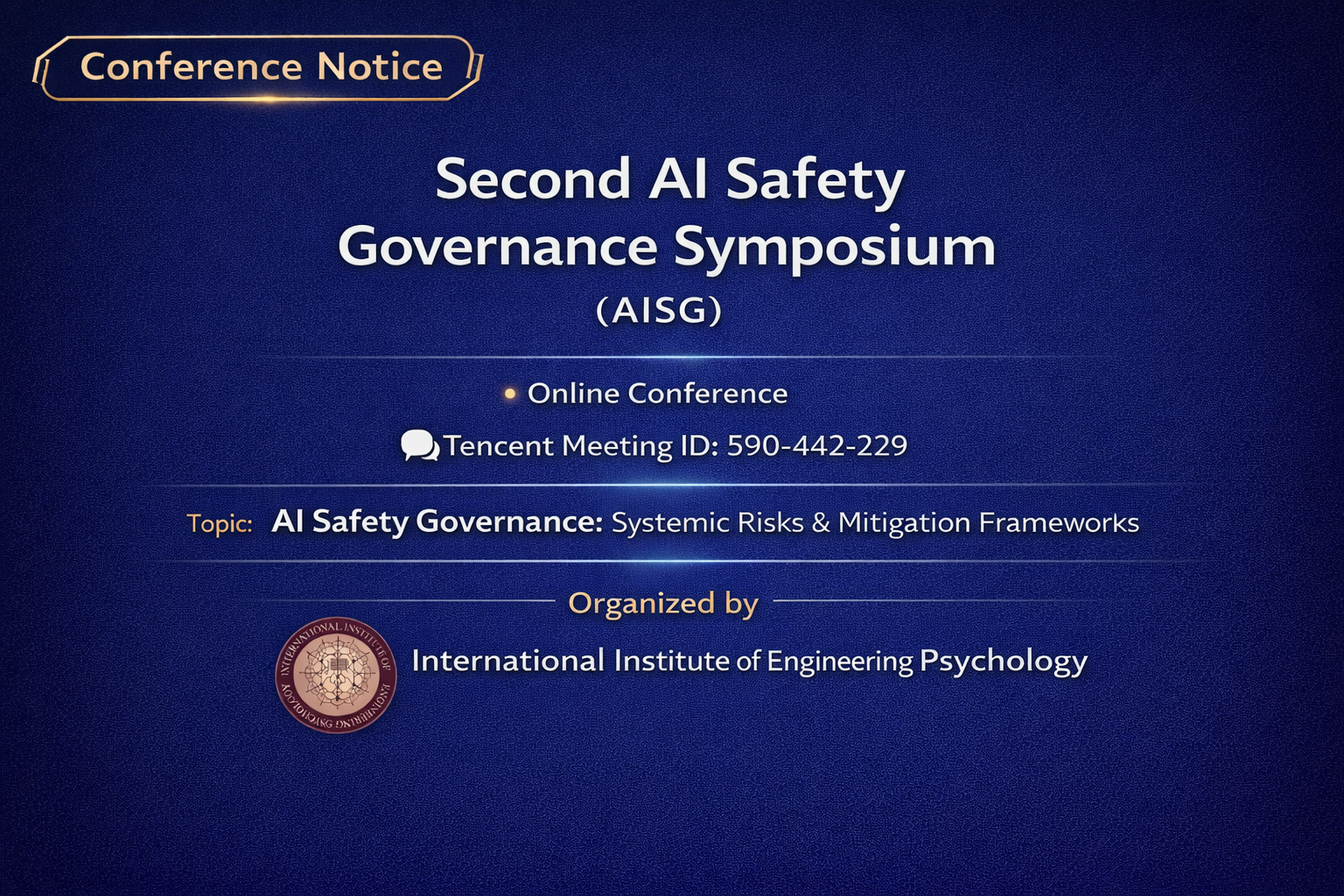
AADE has partnered with elite international institutions, including the NAAI and Marymount University, to co-organize the 2nd AISG Conference. The summit focuses on systemic risk mitigation and engineering psychology to build standardized safety protocols for the era of autonomous AI agents.
On December 2, leadership from the Asia Academy of Digital Economics (AADE) and prominent Indonesian industry figure Firlie Ganinduto joined the Global Digital Economy Conference’s city tour in Ya'an, Sichuan.
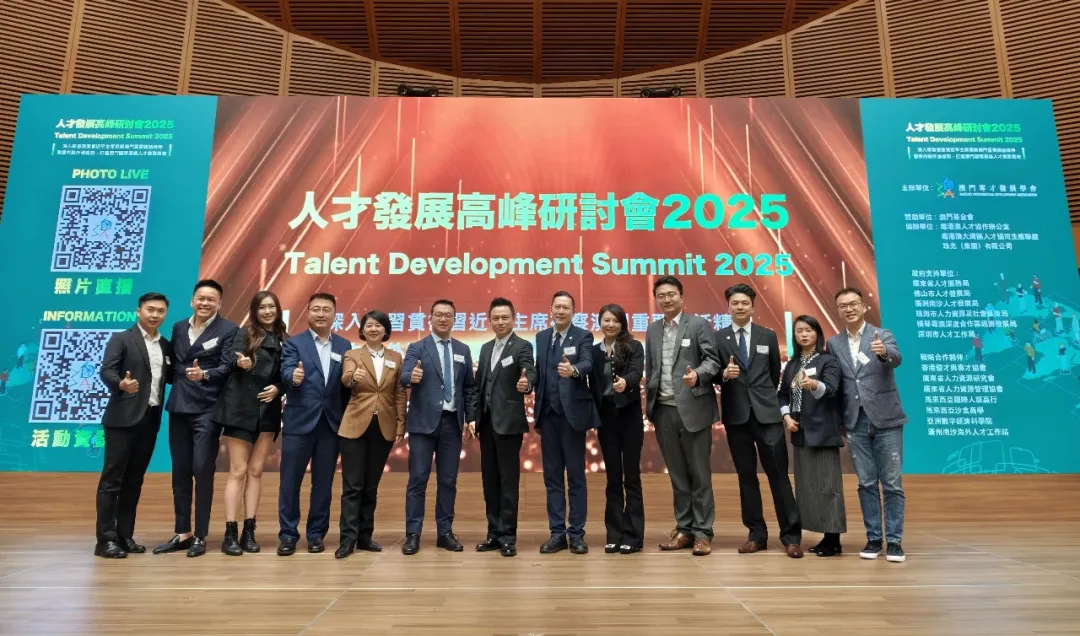
AADE President Poh Hwee Tan delivered a keynote on driving Macau’s fintech ecosystem through talent-centric strategies and was officially appointed as an Expert Advisor to the Macau Association for Development of Professional Specialists. This partnership strengthens connectivity between Singapore’s regulatory experience and the Greater Bay Area’s digital growth.
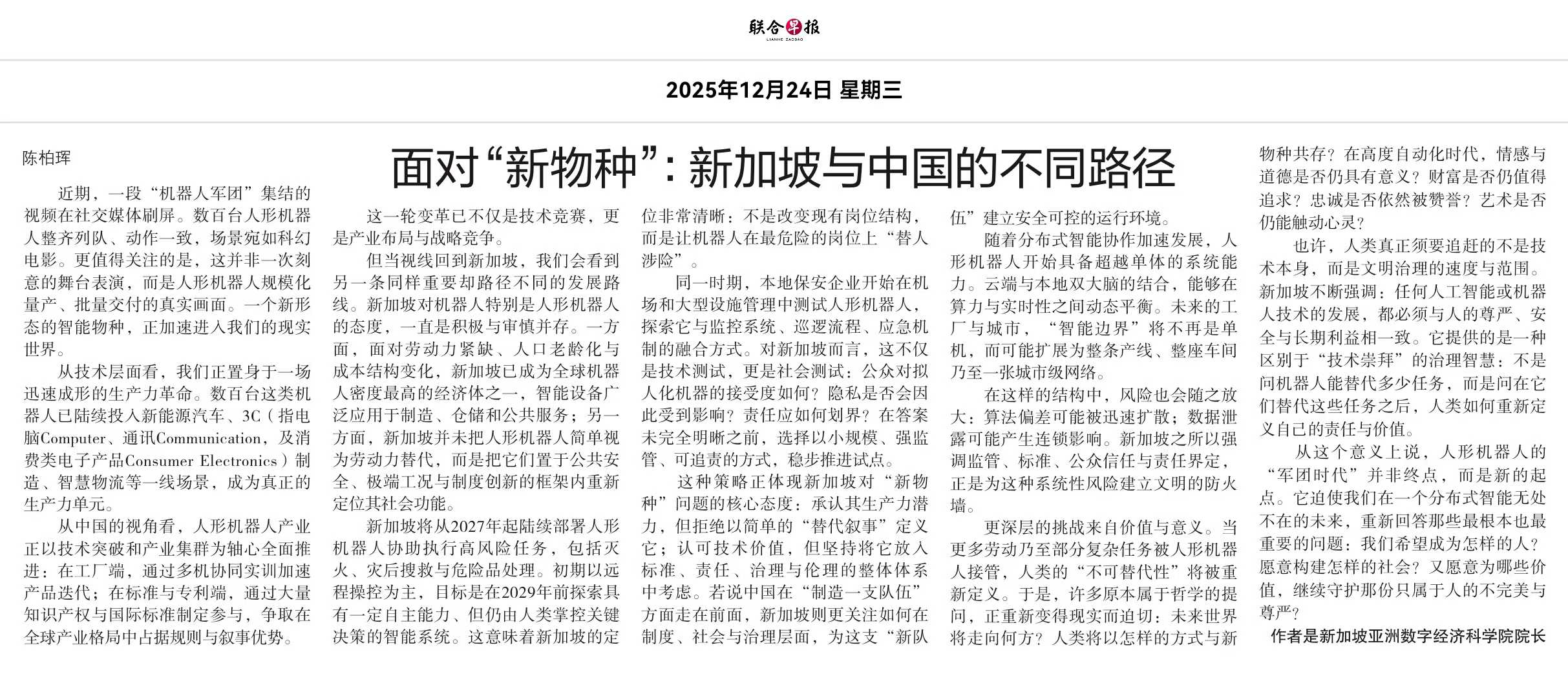
As humanoid robotics transition into a tangible economic reality, AADE explores the philosophical and structural shifts required for a high-automation society. The Academy advocates for a new social contract that prioritizes human dignity and ethical judgment, ensuring that the "Robot Dividend" empowers the Global Majority.
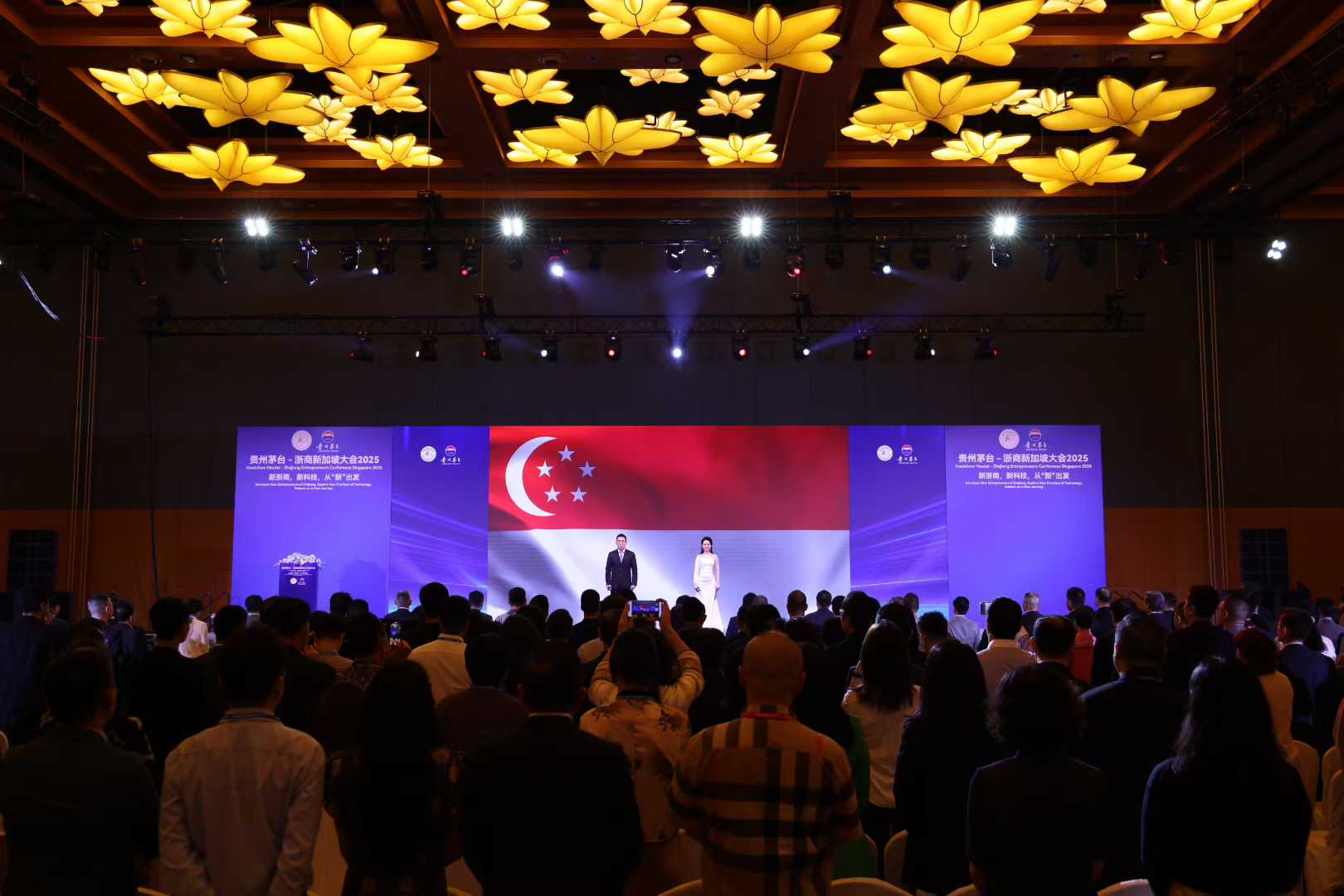
At the 2025 Zheshang Singapore Conference, AADE President Tan Poh Hwee addressed global entrepreneurs and ministers on the strategic "resonance" between Chinese Embodied AI and ASEAN markets. The keynote highlighted Singapore's role as a vital node for cross-border synergy in robotics and intelligent manufacturing.
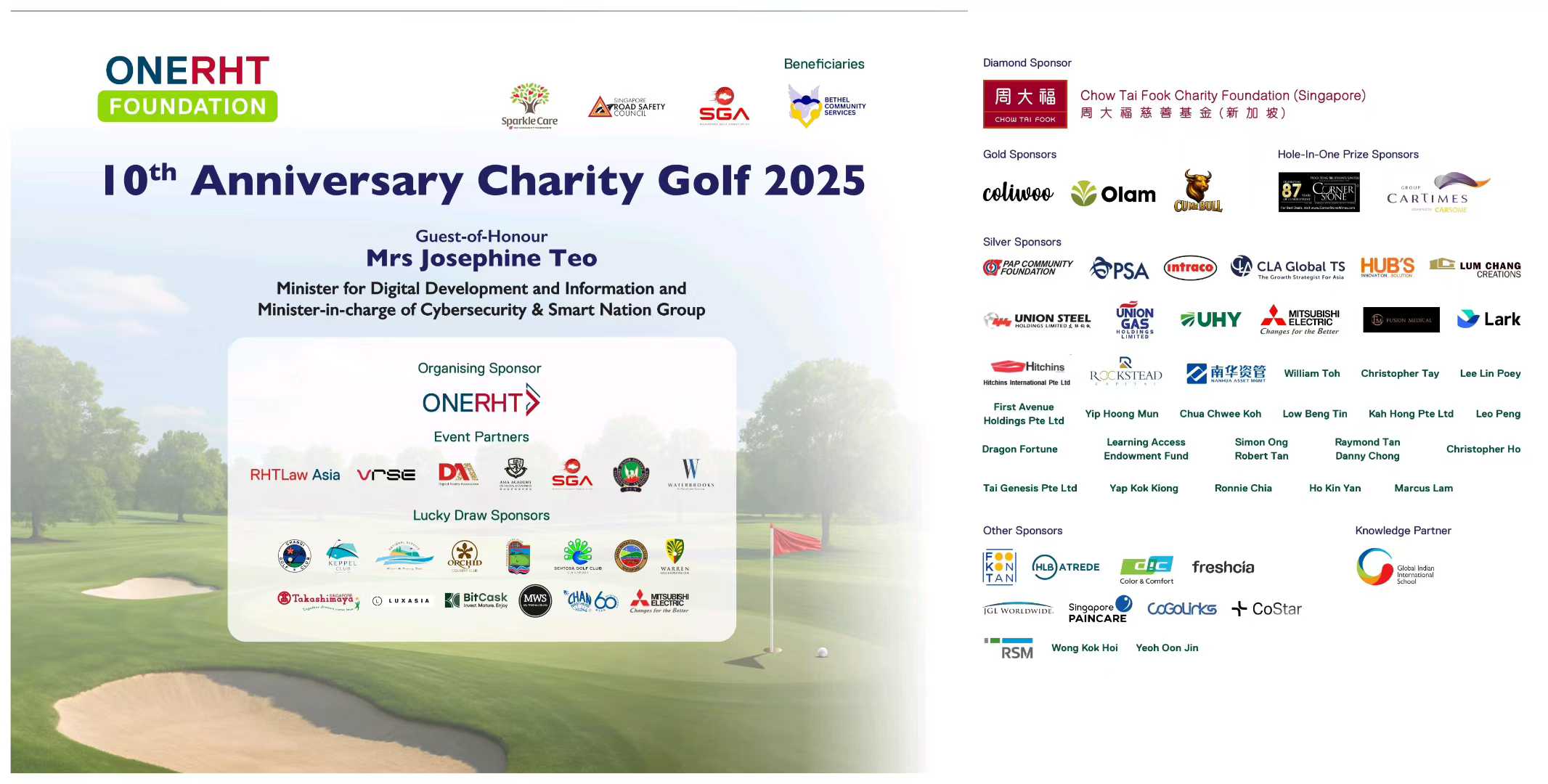
AADE served as a Knowledge Partner for the 10th Anniversary Charity Golf event, joined by Minister Josephine Teo and industry leaders to support public welfare. The initiative underscores AADE’s commitment to digital inclusion, ensuring that technological progress contributes to social equity and philanthropic causes.
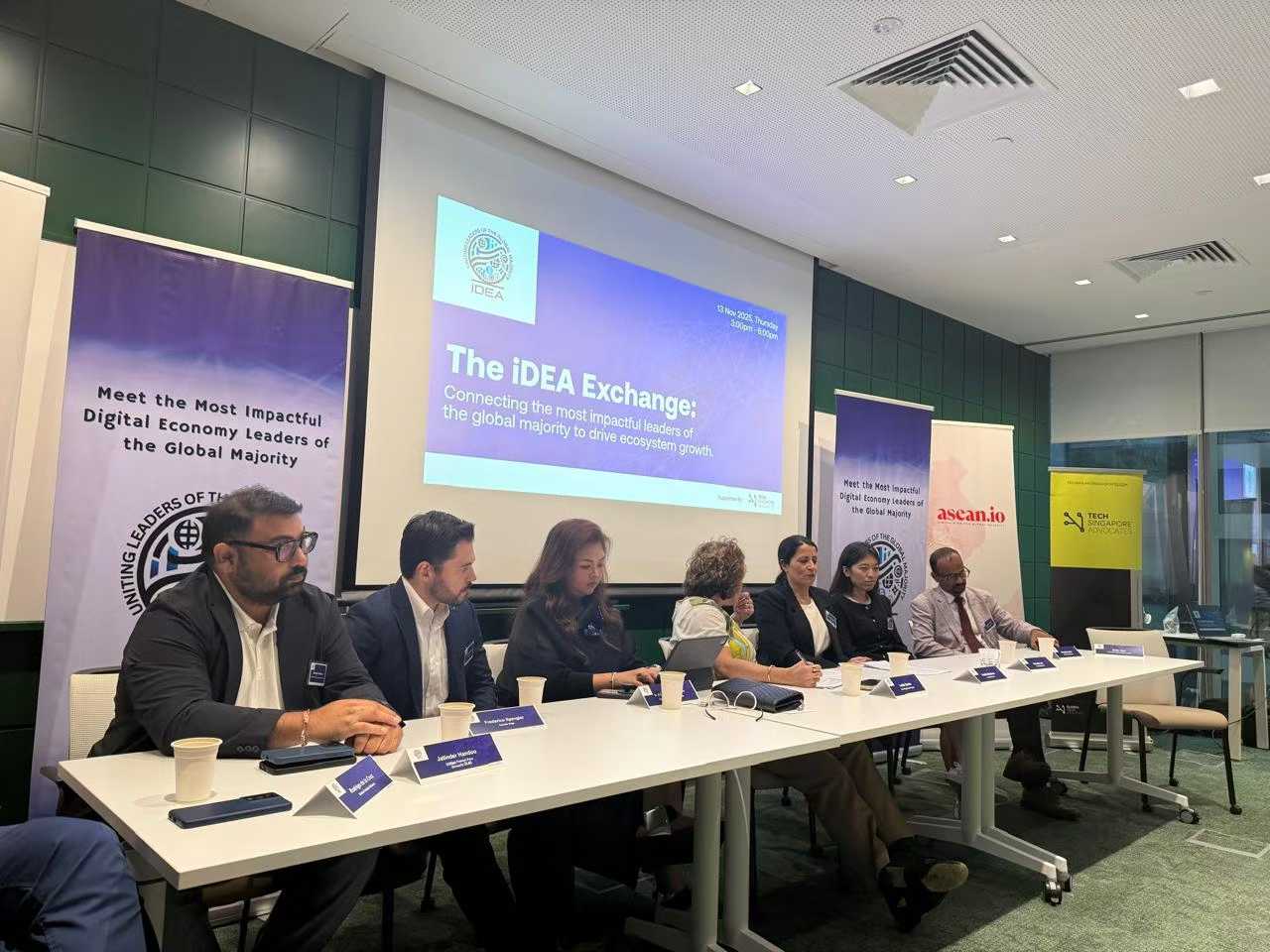
AADE President Poh Hwee Tan led high-level dialogues at the iDEA APAC exchange, focusing on how the "Global Majority" can transform localized capital into a unified engine for cross-border growth. The forum identified capital mobility and standardized RegTech compliance as essential pillars for building frictionless digital corridors across the Asia-Pacific.
The Asia Academy of Digital Economics (AADE) has been officially inducted as a founding member of the World Internet Conference (WIC) E-commerce Working Committee. Collaborating with global tech and retail giants, AADE will help shape digital trade governance to drive connectivity, digital inclusion, and proactive regulatory frameworks worldwide.
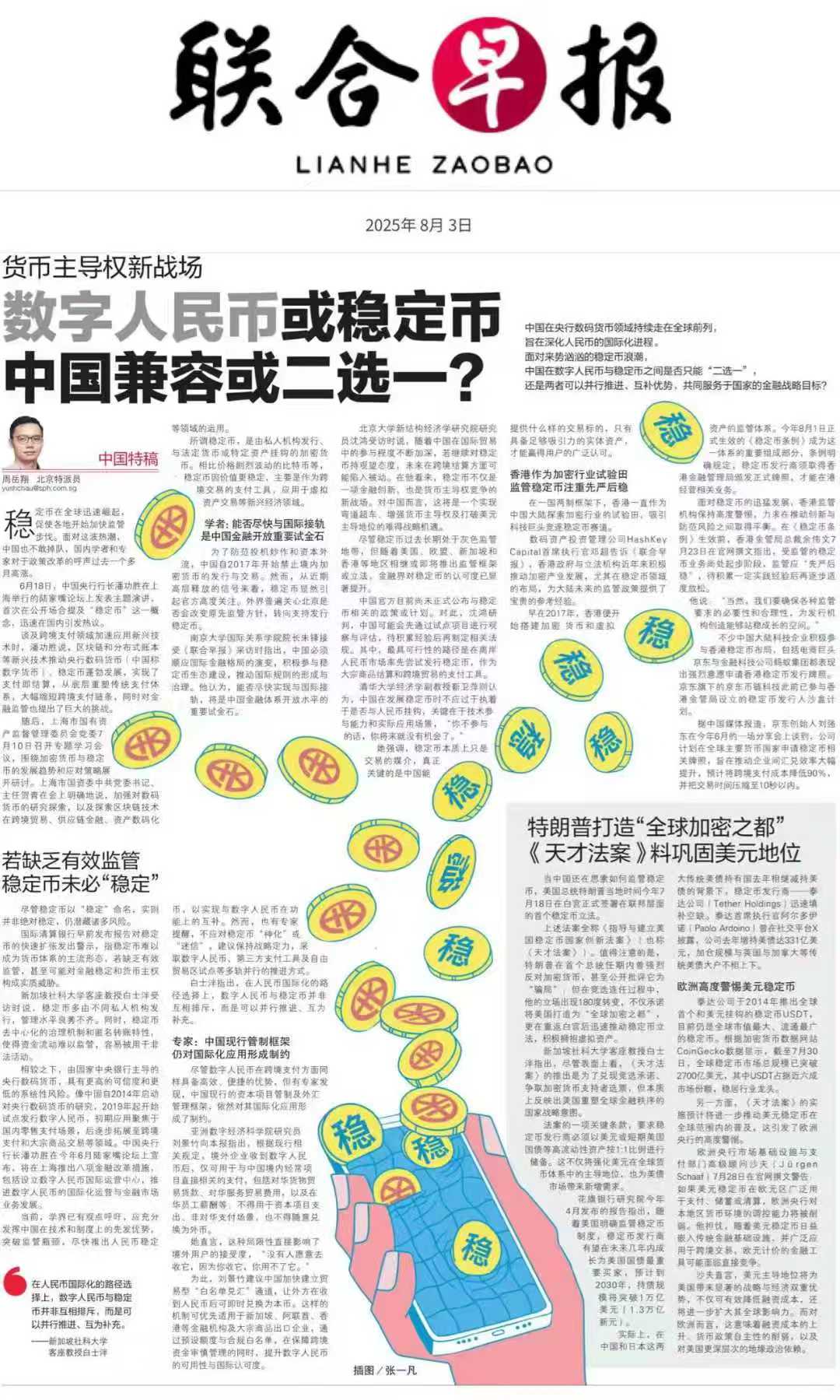
Following the signing of the GENIUS Act, AADE examines the strategic decision to exclude CBDCs from the U.S. federal framework for digital assets. The Academy notes that this bifurcation preserves the hierarchy between sovereign and private money while addressing critical concerns regarding banking disintermediation and financial privacy.
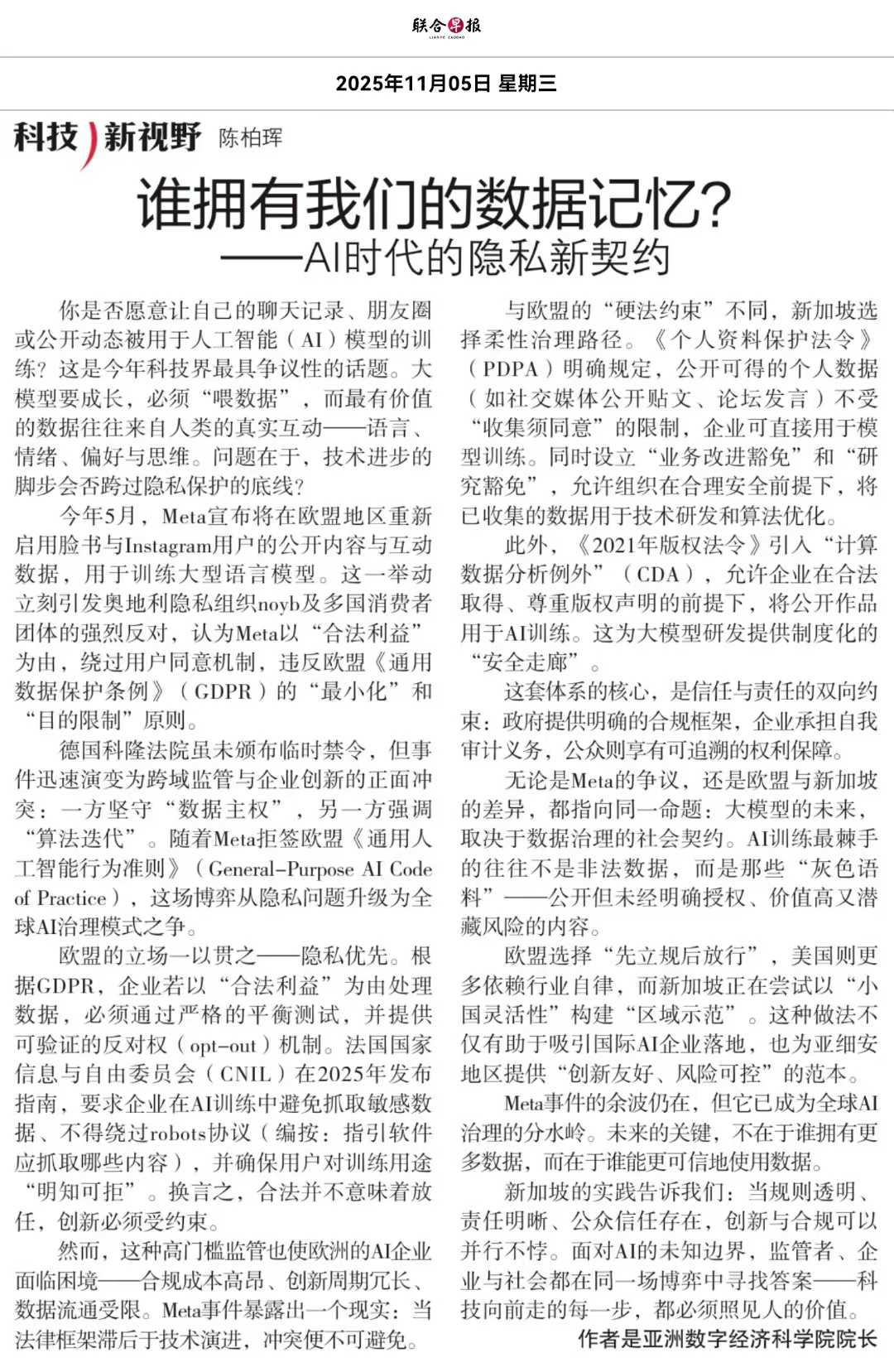
AADE President Tan Poh Hwee published a comprehensive commentary in Lianhe Zaobao examining the escalating global debate over data sovereignty and AI training. The article contrasts rigid global frameworks with Singapore's flexible governance, advocating for robust RegTech solutions to establish a secure and equitable digital future.
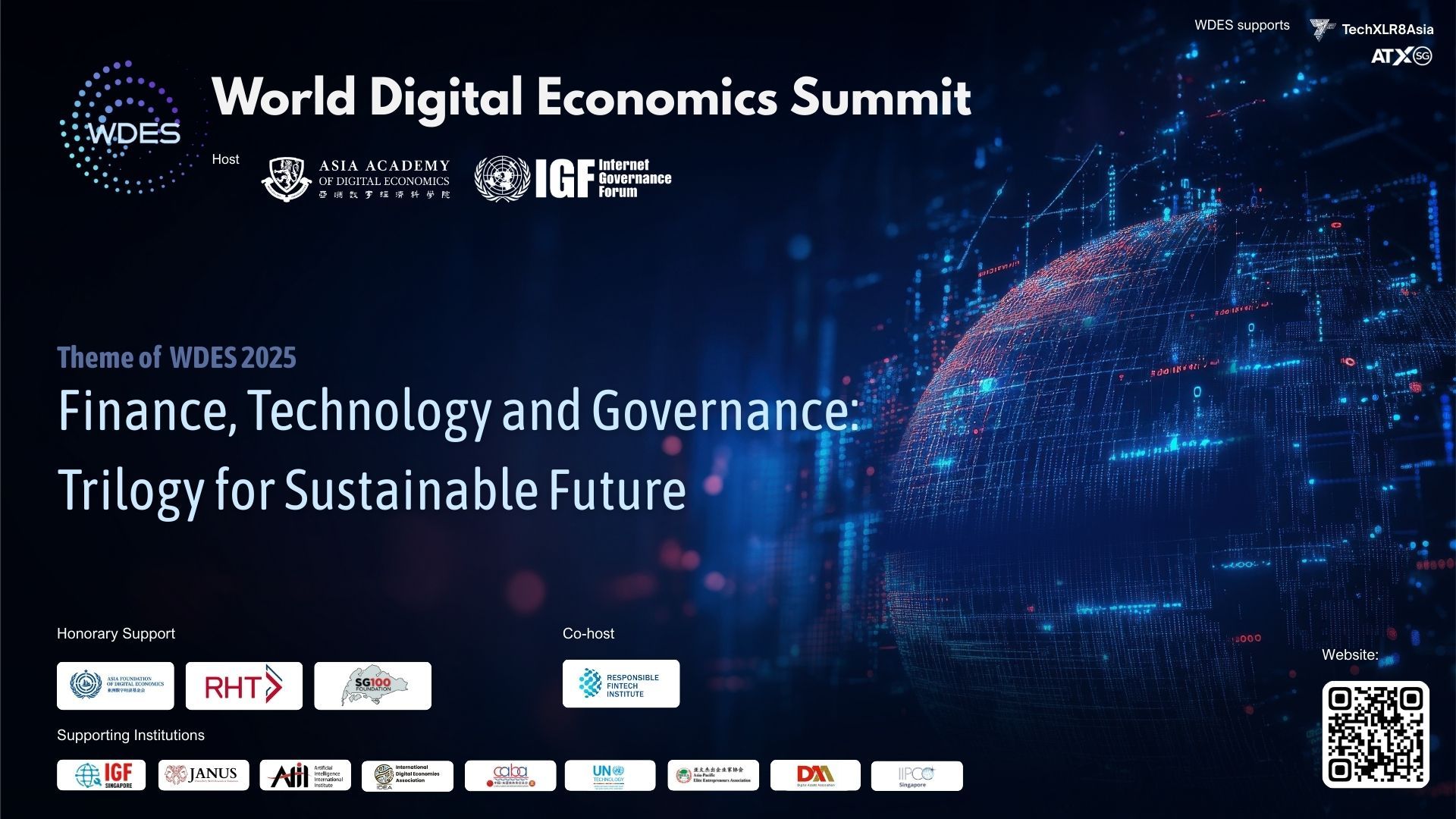
Convened in Singapore in May 2025, the World Digital Economics Summit was jointly organized by AADE and the United Nations Internet Governance Forum.
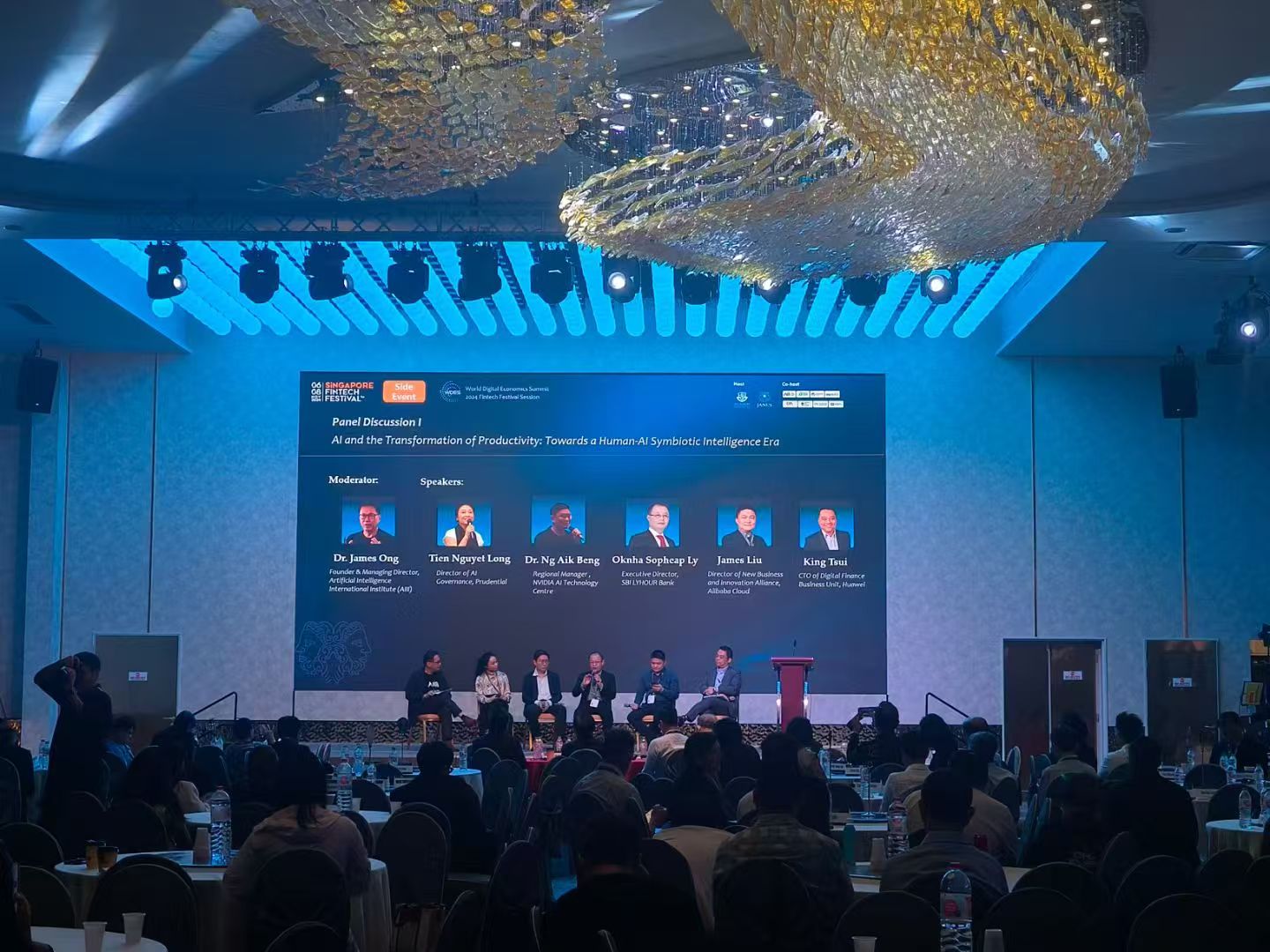
Hosted at the Singapore Expo in November 2024, this session gathered diplomatic representatives from multiple nations to discuss the integration of artificial intelligence and digital assets for human advancement.
Coordinated by AADE in Singapore in May 2024, this forum facilitated substantive dialogue regarding the development of the advanced technology sector and the international mobility of professional talent.
Hosted in Singapore in May 2024, this landmark summit assembled over one hundred leading scientists to explore crucial topics in artificial intelligence, cybersecurity, and international data cooperation.
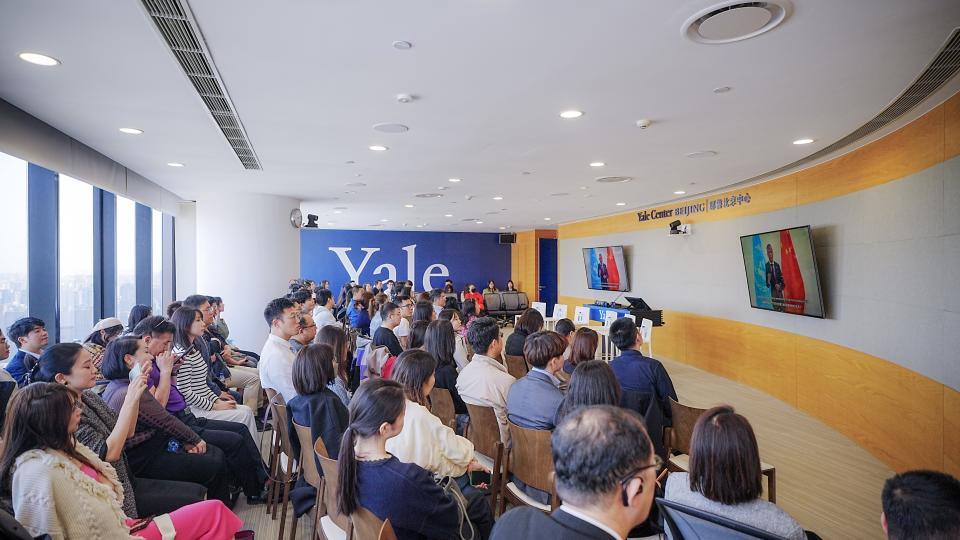
Held at Yale University in April 2024, this distinguished colloquium gathered prominent scholars and diplomats to engage in discussions centered on forging a collaborative global future.
Hosted in Oxford in March 2024, this subforum provided a critical examination of how current legal frameworks must adapt and evolve to effectively govern the era of artificial intelligence.
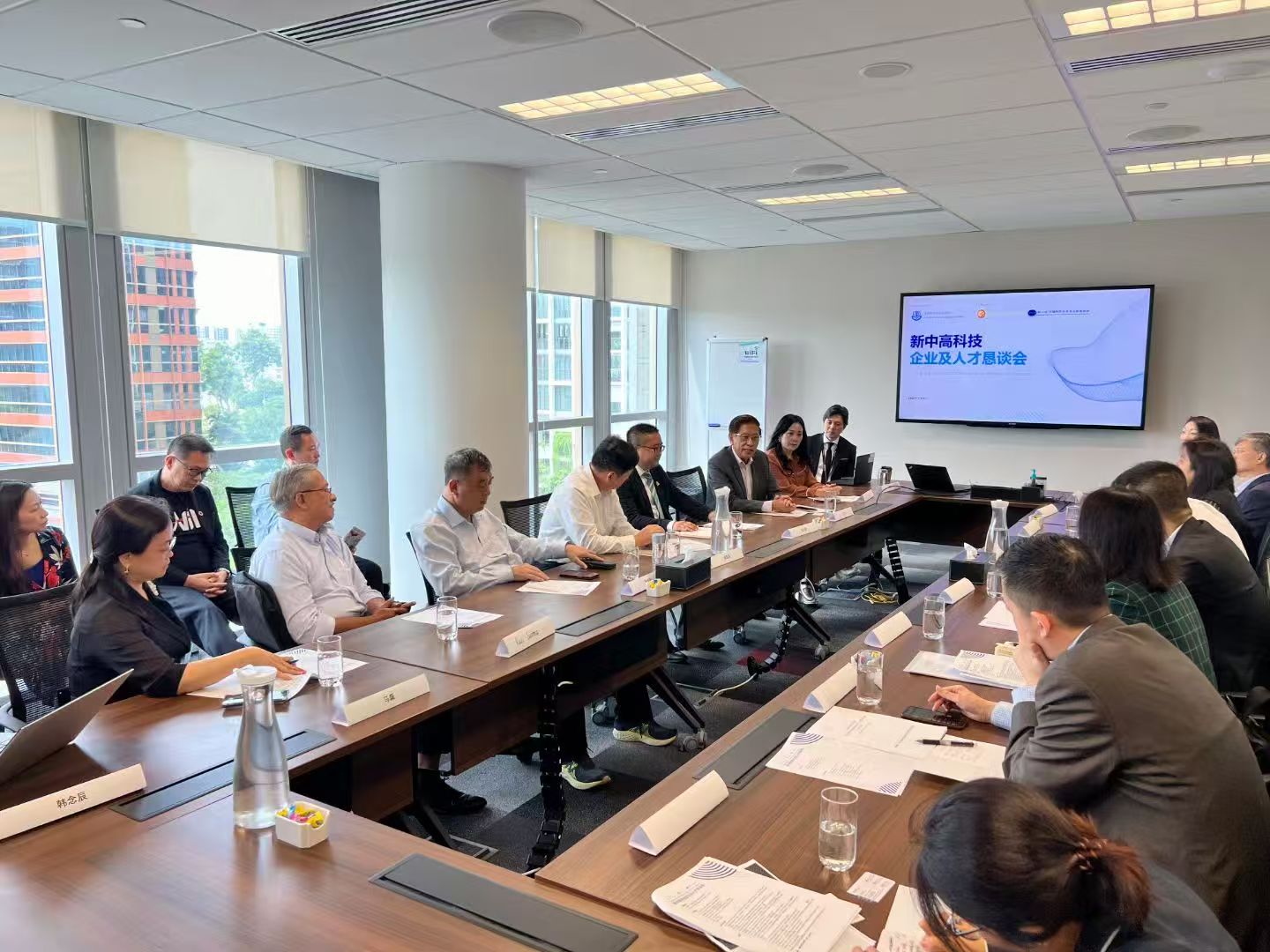
Convened in Singapore in February 2024, this seminar provided a high level dialogue platform to promote international talent mobility and deepen digital cooperation between China and Singapore.
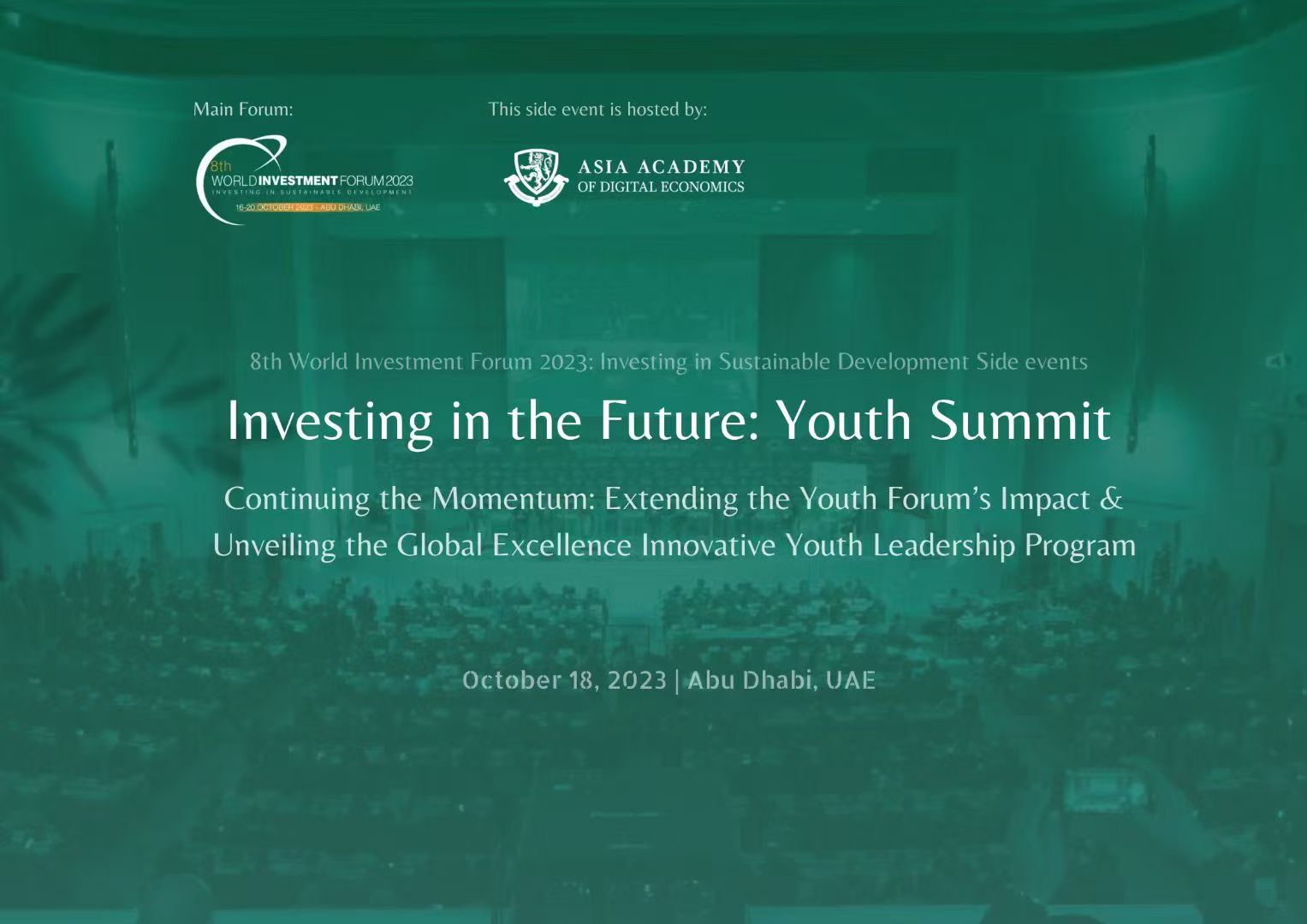
Organized by UNCTAD in October 2023, this summit addressed the sustainable development investment gap and advanced global consensus on climate finance in preparation for the COP28 conference.
Held in Singapore in September 2023, this international seminar fostered substantive dialogue concerning the future of blockchain technology, Web3 innovations, and their broader implications for the global digital economy.
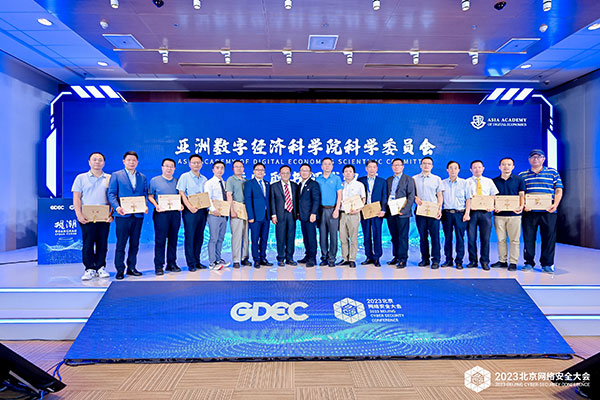
Convened in Beijing in July 2023, this event served as a premier think tank and forum for high level dialogue addressing the most critical challenges in global cyberspace governance.
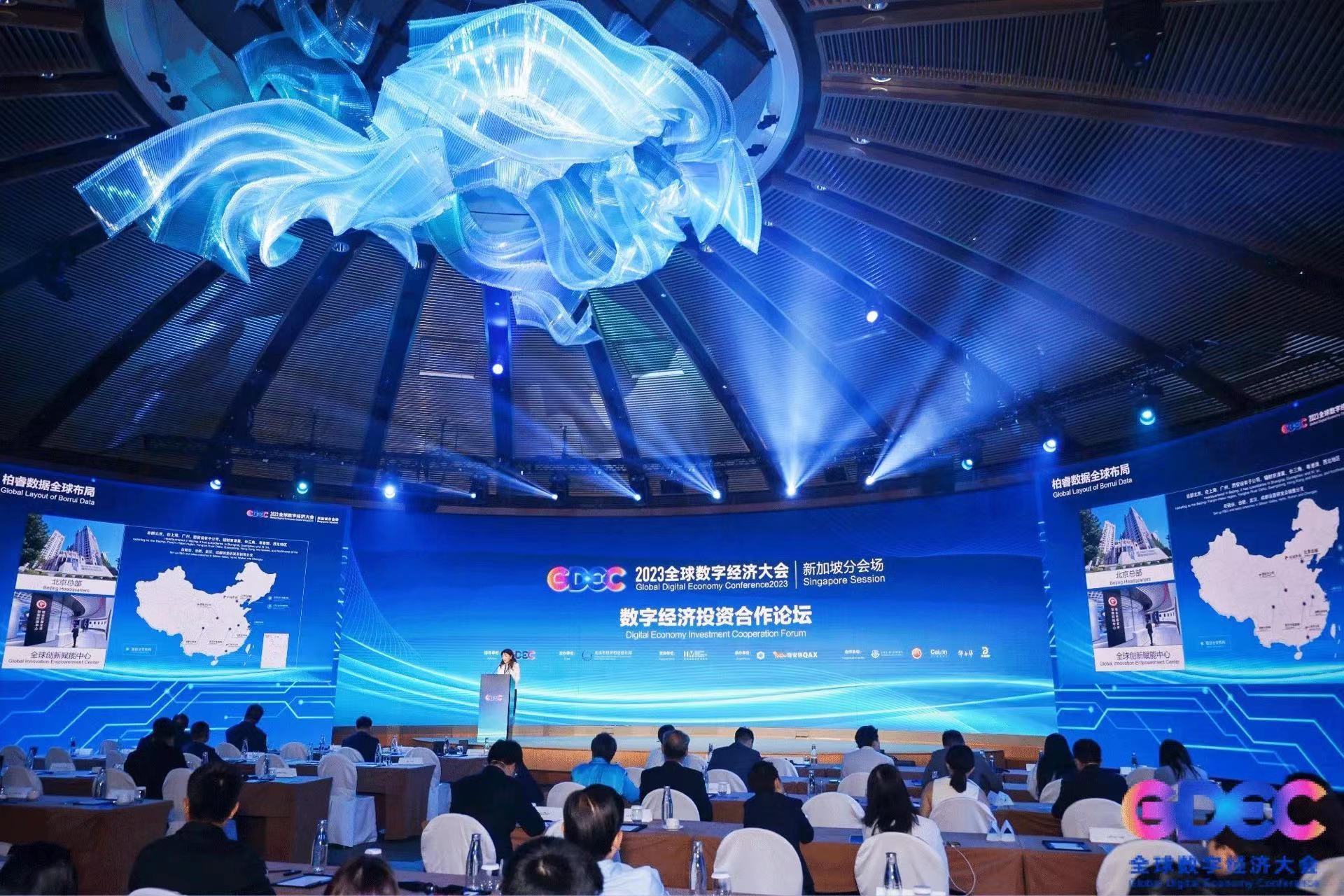
Hosted in Singapore in June 2023, this conference explored new frontiers in digital economic cooperation, emphasizing collaborative innovation within the emerging sectors of the global digital economy.
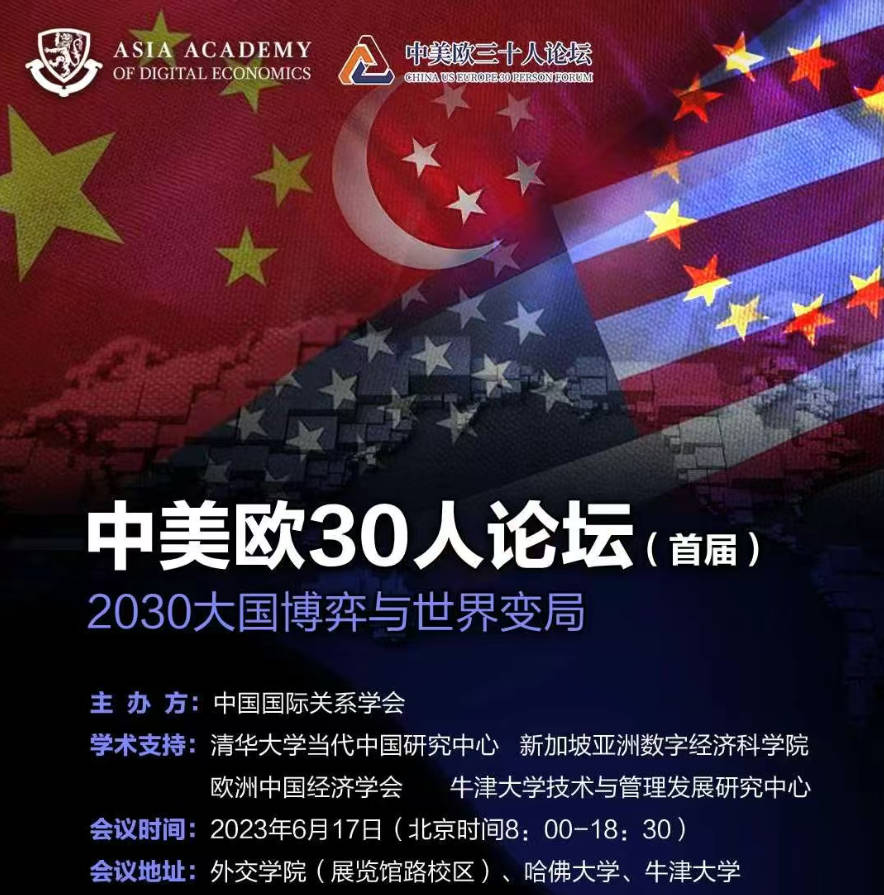
Convened in Singapore in June 2023, this inaugural forum united senior scholars and strategic thinkers for a comprehensive dialogue on major power dynamics and the future trajectory of global governance.
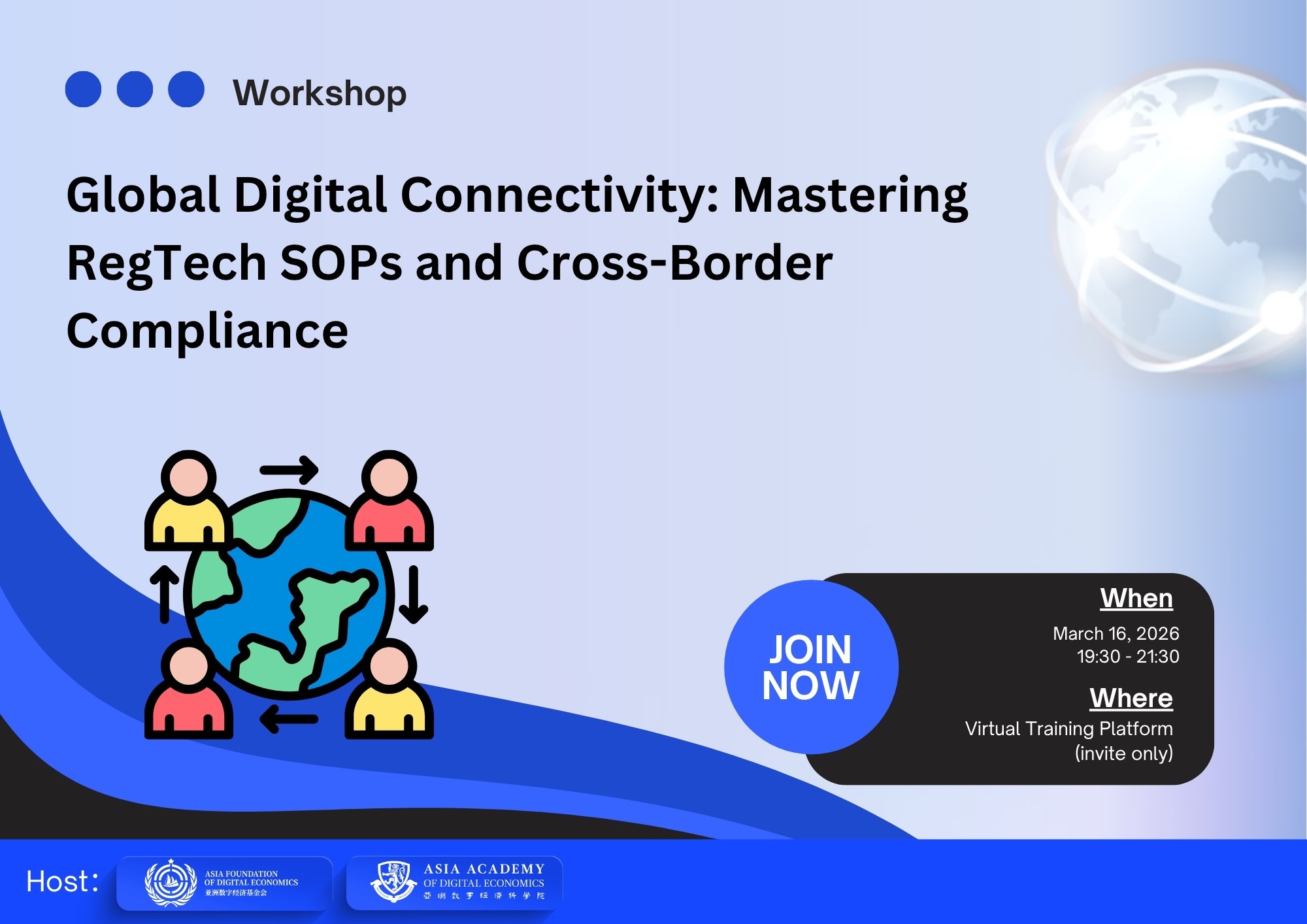
Aligning with the Academy's core mission, this specialized integration workshop trained Global Coordinators to operate seamlessly across digital ecosystems and implement actionable Standard Operating Procedures and RegTech protocols.
Designed for tech leaders, this strategic module offered a granular analysis of technological globalization. Executives gained a pragmatic playbook for navigating complex geopolitical dynamics and leveraging mature capital markets.
Enrolling leaders from 26 countries, this program facilitated the construction of robust and internationally compatible data governance frameworks while providing blueprints for advancing global digital trade capabilities.
Led by industry expert Chen Yijia, this session equipped teams with a nuanced understanding of real world asset tokenization, providing frameworks for navigating regulatory compliance and asset valuation.
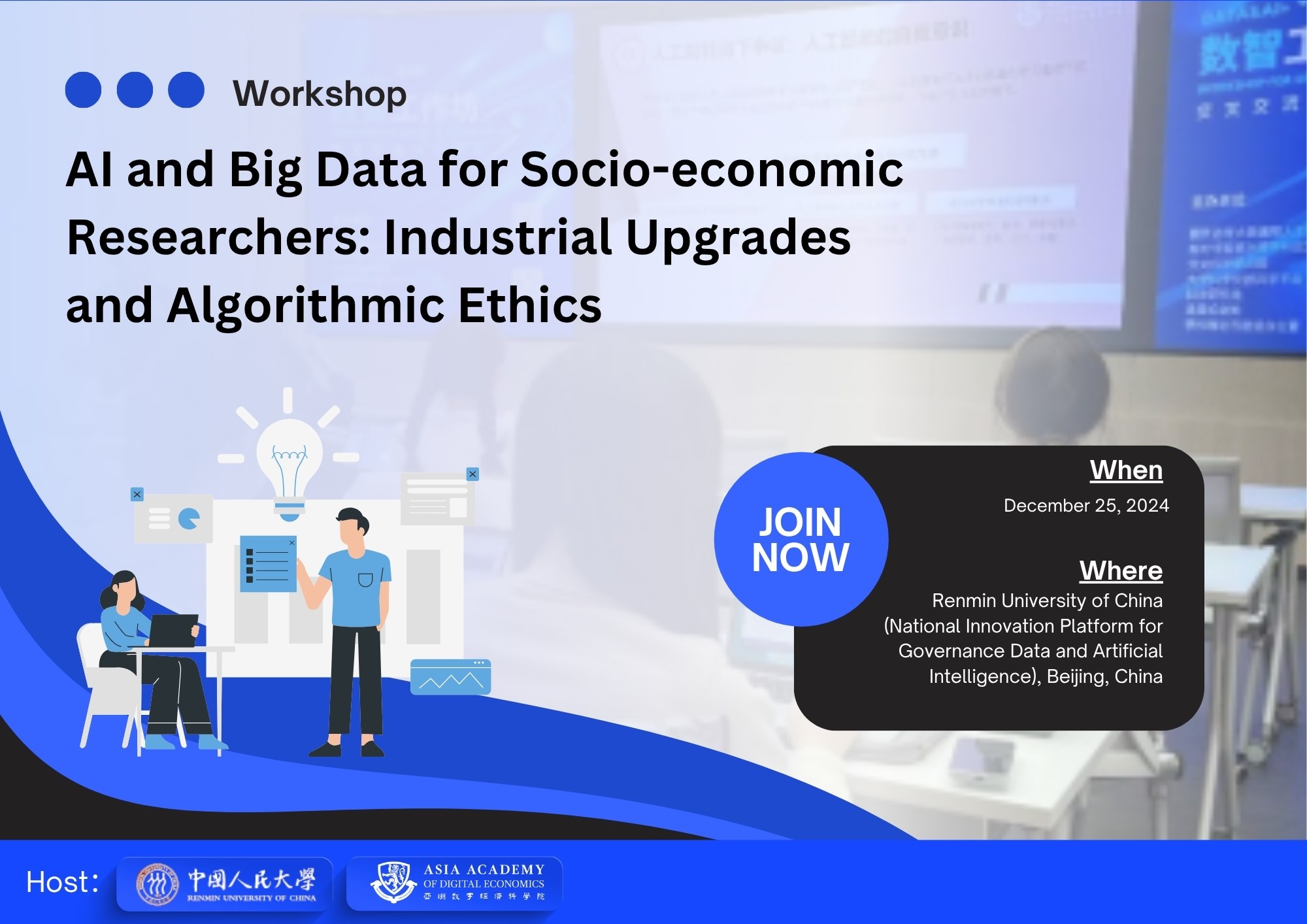
This technical workshop trained participants on integrating Big Data and AI across socio economic sectors. Experts shared methodologies for data governance, computational optimization, and resolving ethical dilemmas.
A targeted deep dive into Singapore's PDPA mandates. Through scenario analysis, corporate professionals learned actionable strategies to architect ethical data governance frameworks and maximize commercial data value.
Concluding the Web3 series, this interactive workshop explored evolving organizational behaviors within decentralized economies, imparting practical leadership strategies for managing remote and distributed teams.
This session educated participants on the paradigm shift from Web2 to Web3 platforms, helping trainees identify business opportunities and develop strategic frameworks to overcome technical and user adoption hurdles.
This advanced module empowered trainees to identify strategic intersections between cutting edge Artificial Intelligence capabilities and the Web3 ecosystem, fostering future technological deployments and business innovation.
Led by Chong Wu, this foundational session instructed participants on the intersection of Real World Assets and regulated cryptocurrency, evaluating pathways to build compliant bridges between traditional finance and Web3.
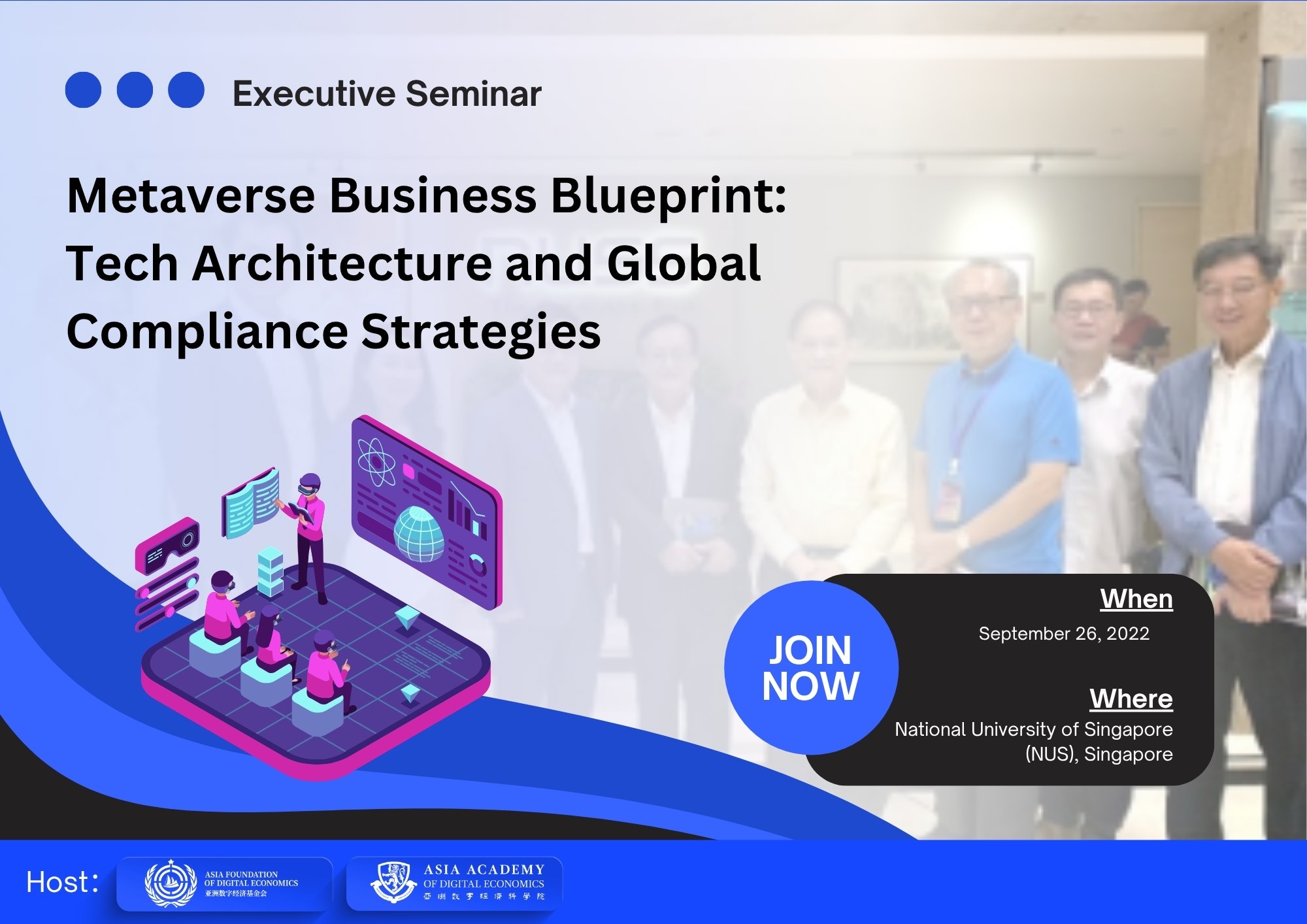
Gathering over 200 leaders, this premier training seminar provided in depth instruction on the metaverse industry's future, analyzing regional hubs and addressing emerging regulations and ethical challenges in Web3 environments.