
GDEC 2026: A Global Benchmark for the Digital Economy
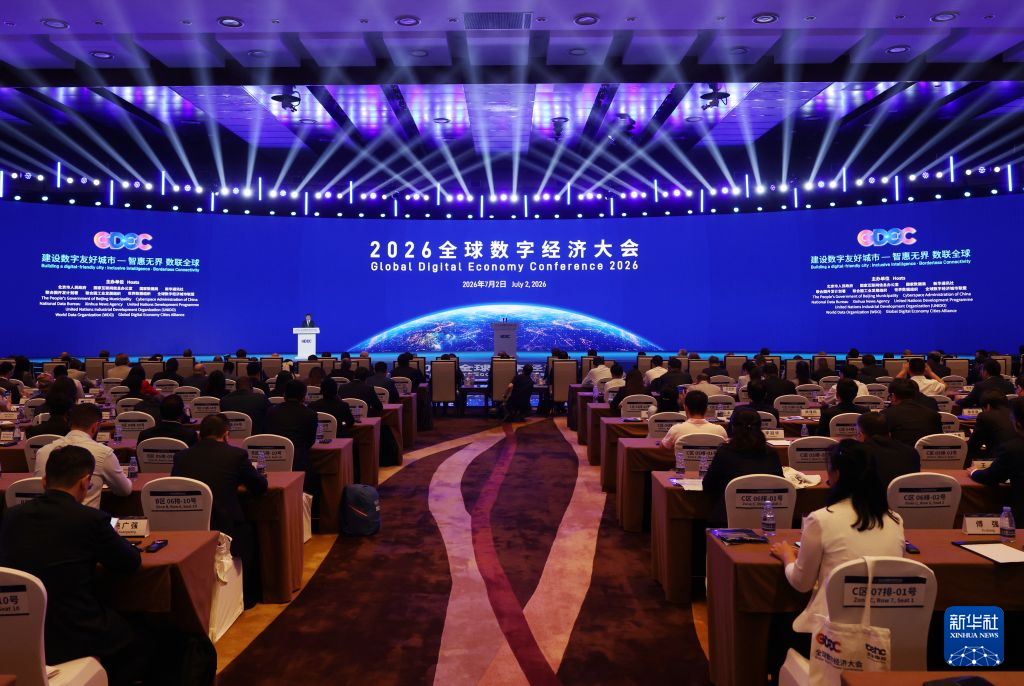
The 2026 Global Digital Economy Conference (GDEC 2026) convened at the China National Convention Center in Beijing, reaffirming its status as a premier global benchmark for digital policy and technology standards. The summit was co-hosted by the Beijing Municipal Government, the Cyberspace Administration of China, the National Data Bureau, Xinhua News Agency, the United Nations Development Programme (UNDP), and the United Nations Industrial Development Organization (UNIDO), convening sovereign regulators, senior diplomats, and macroeconomic leaders to map out cross-border governance frameworks.
Now in its fifth edition, GDEC has drawn more than 230,000 offline participants and 423 million online engagements, with participation from over 1,000 research institutions and 10,000 enterprises, including more than 100 Fortune Global 500 companies.
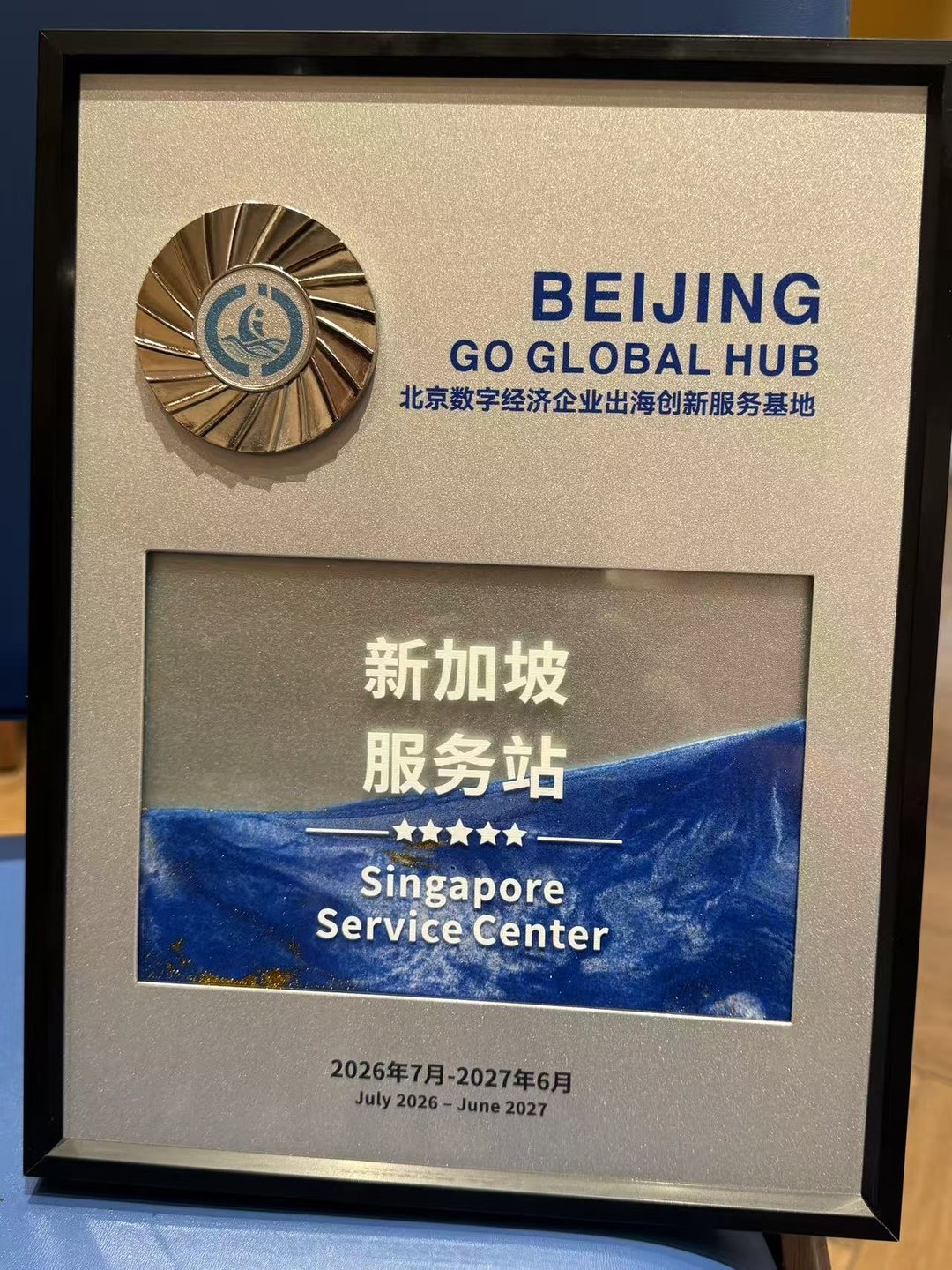
At GDEC 2026, the Asia Academy of Digital Economics (AADE) dispatched a high-level delegation, comprising council executives and key ASEAN regional leaders, to deeply participate in the event. Meanwhile, AADE served as a co-organizer for several core forums, including the Guanchao Forum. Building on last month's official establishment of the DEC40 Singapore Office within AADE, the conference officially announced the launch of the "Singapore Service Center" of the Beijing Global Innovation Hub for Digital Economy Enterprises (BEIJING GO-GLOBAL HUB) at the academy.
Opening Ceremony
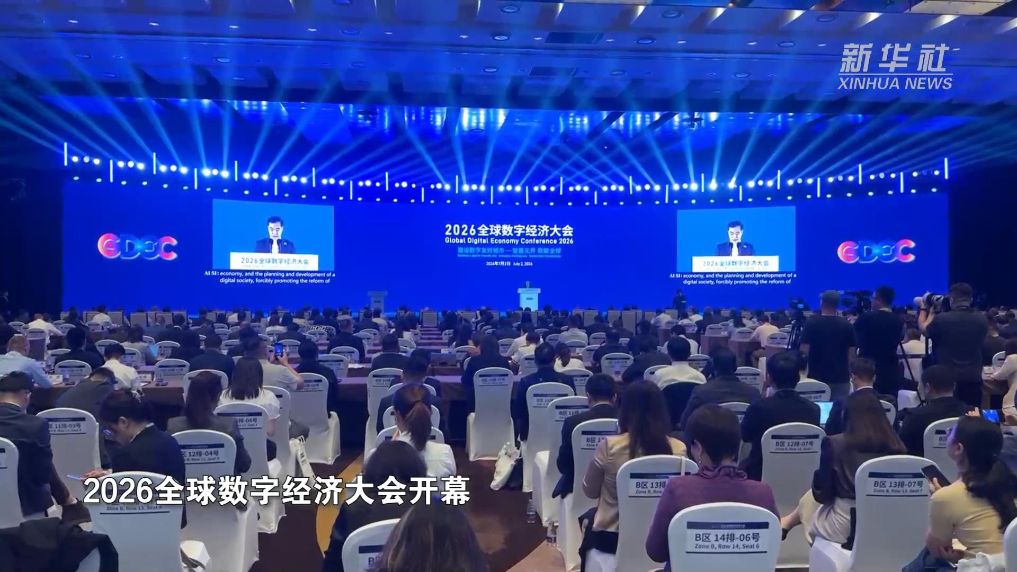
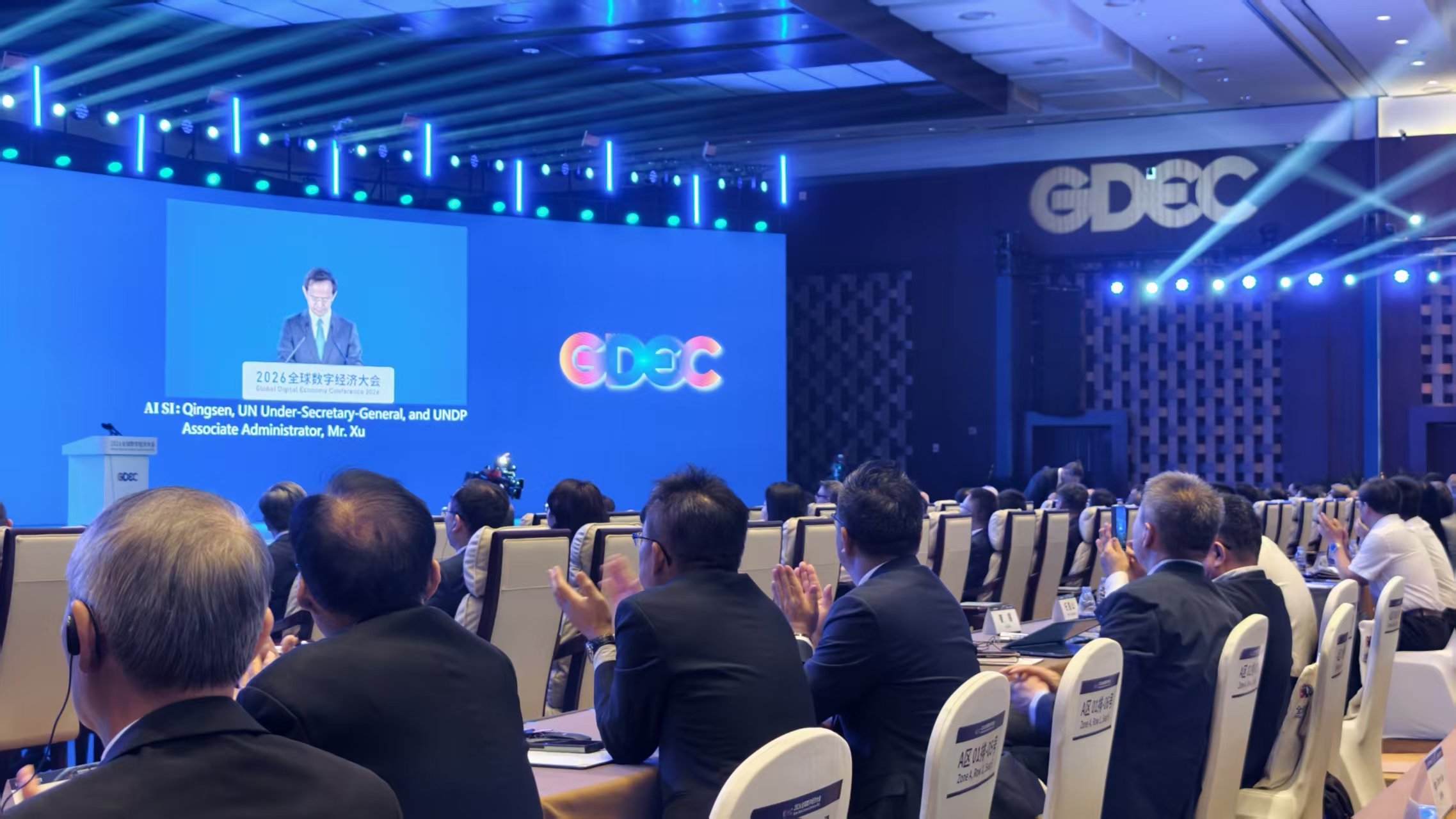
The 2026 Global Digital Economy Conference (GDEC) officially opened in Beijing on July 2, marked by an exceptionally high level of state and international engagement. The prestige of the event was underscored by the presence of senior Chinese leadership, with keynote addresses delivered by Yin Li, Member of the Political Bureau of the CPC Central Committee and Secretary of the CPC Beijing Municipal Committee, and Fu Hua, President of Xinhua News Agency. The opening ceremony, presided over by Beijing Mayor Yin Yong, also featured remarks from top officials representing the Cyberspace Administration of China, the National Data Administration, and the United Nations. They were joined by corporate executives, scholars, and minister-level officials from nations including Kazakhstan, Colombia, and Chad.
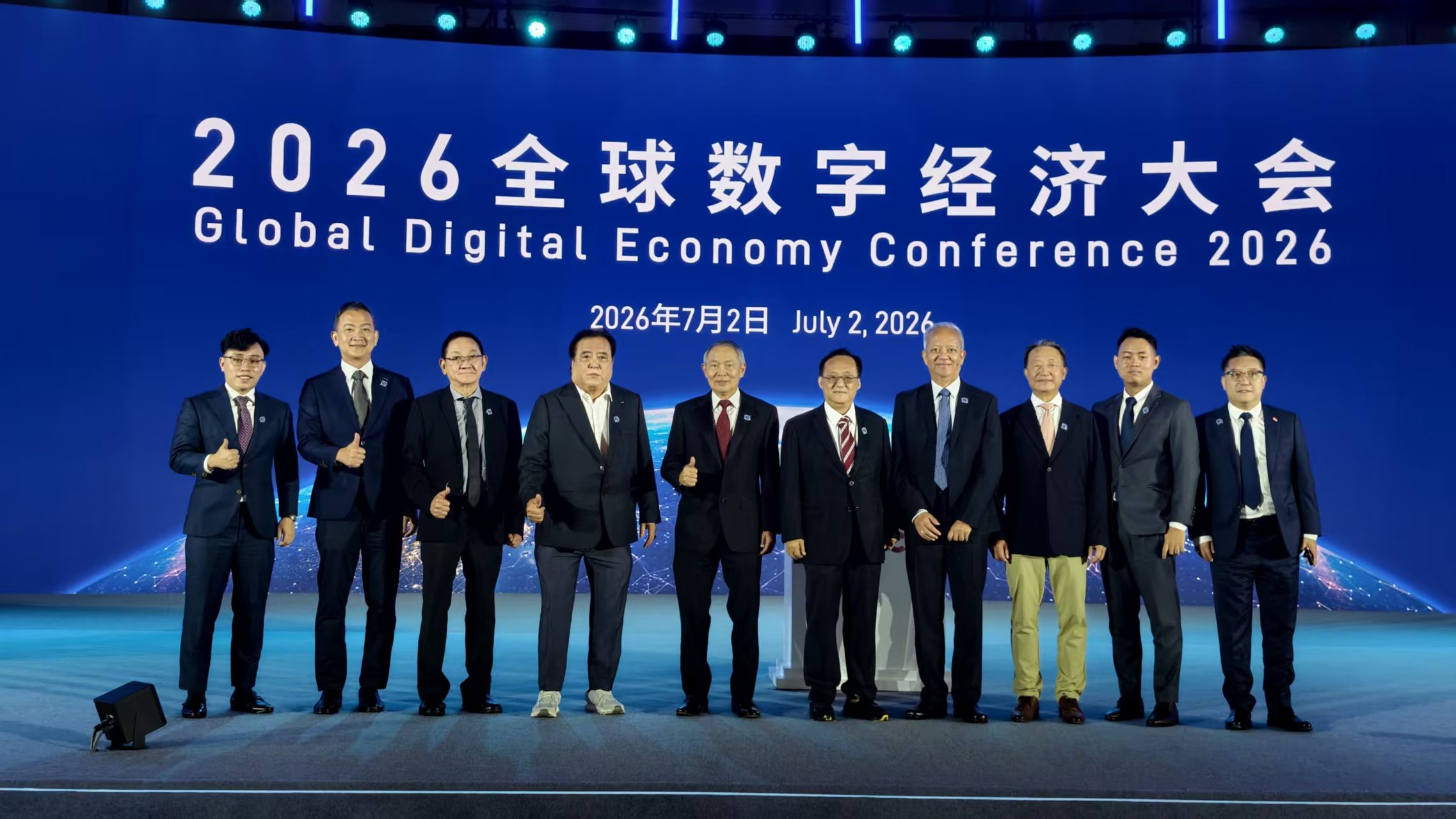
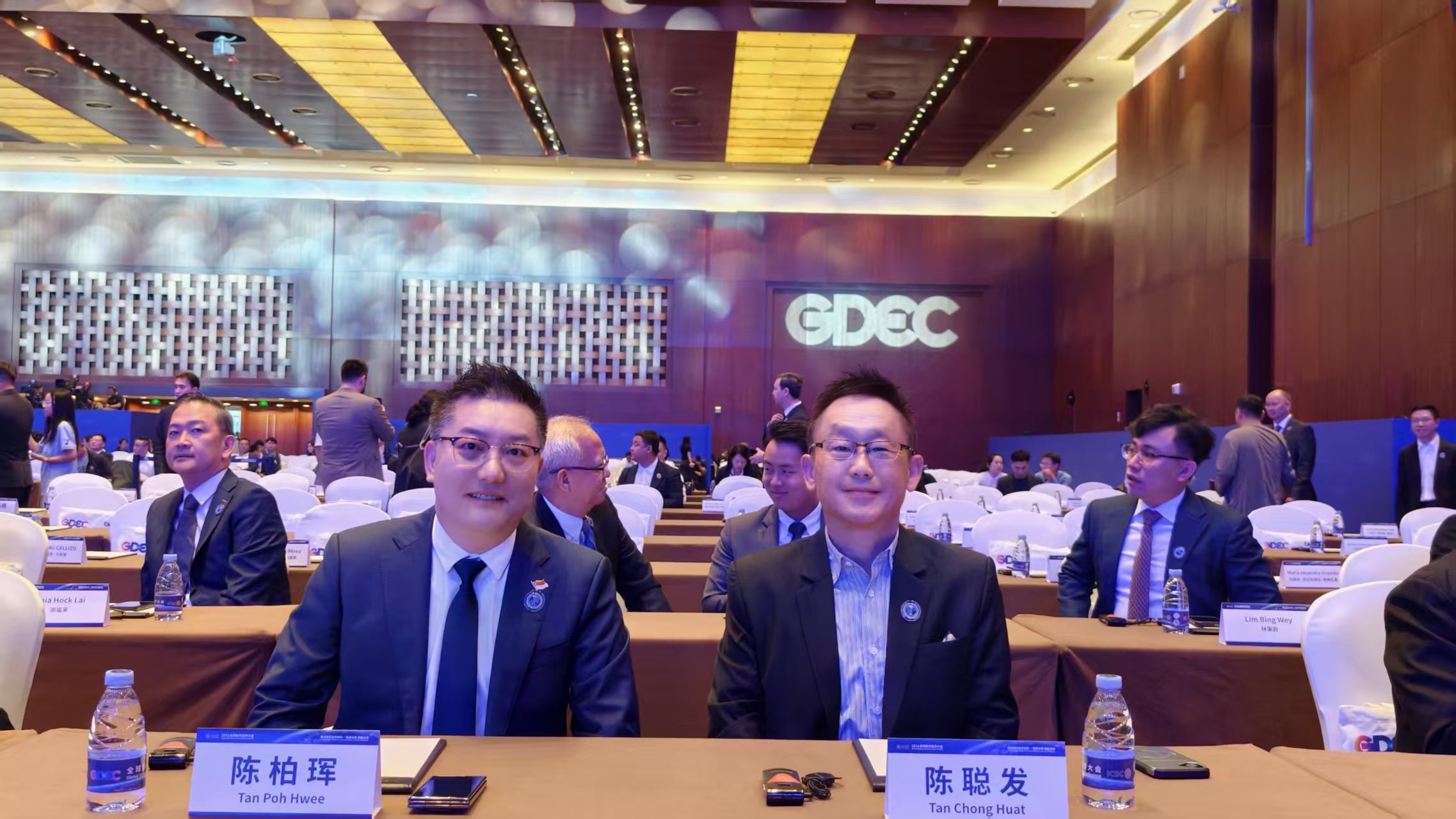
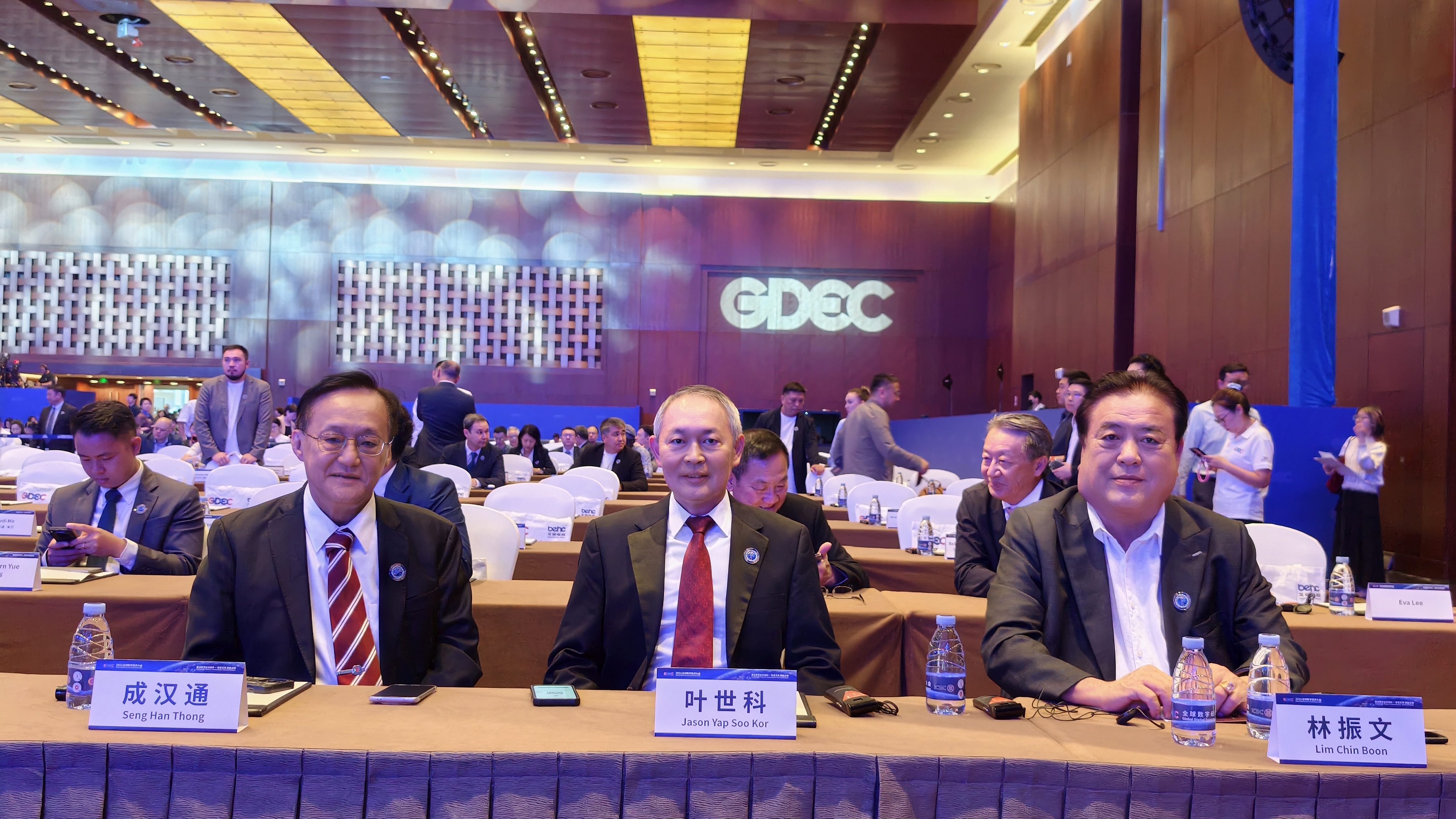
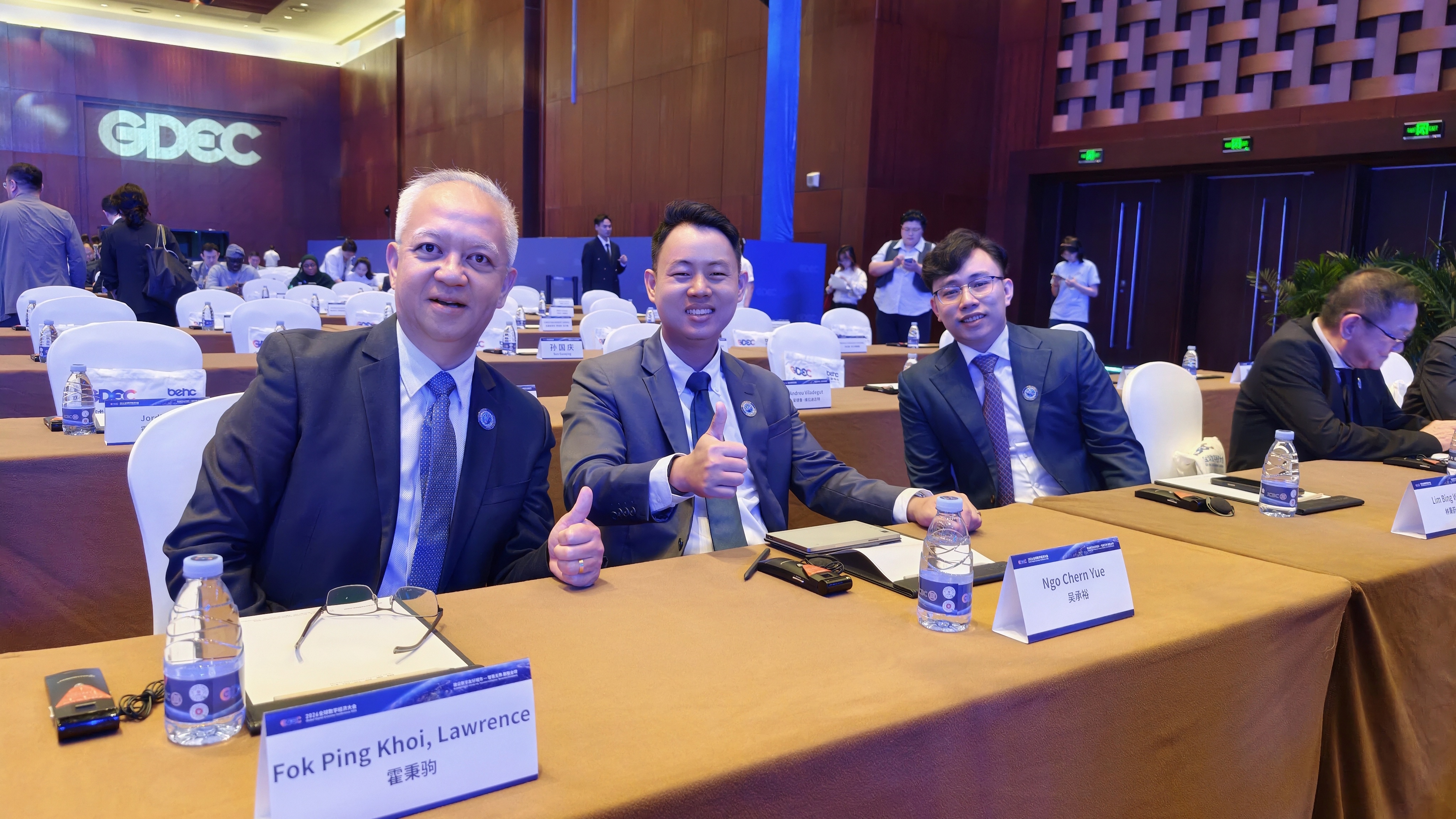
Upon special invitation, the AADE delegation kicked off its conference agenda by attending the official opening ceremony of GDEC 2026.
The 11th Guanchao Cyberspace Forum: Agile AI Governance and Dynamic Compliance
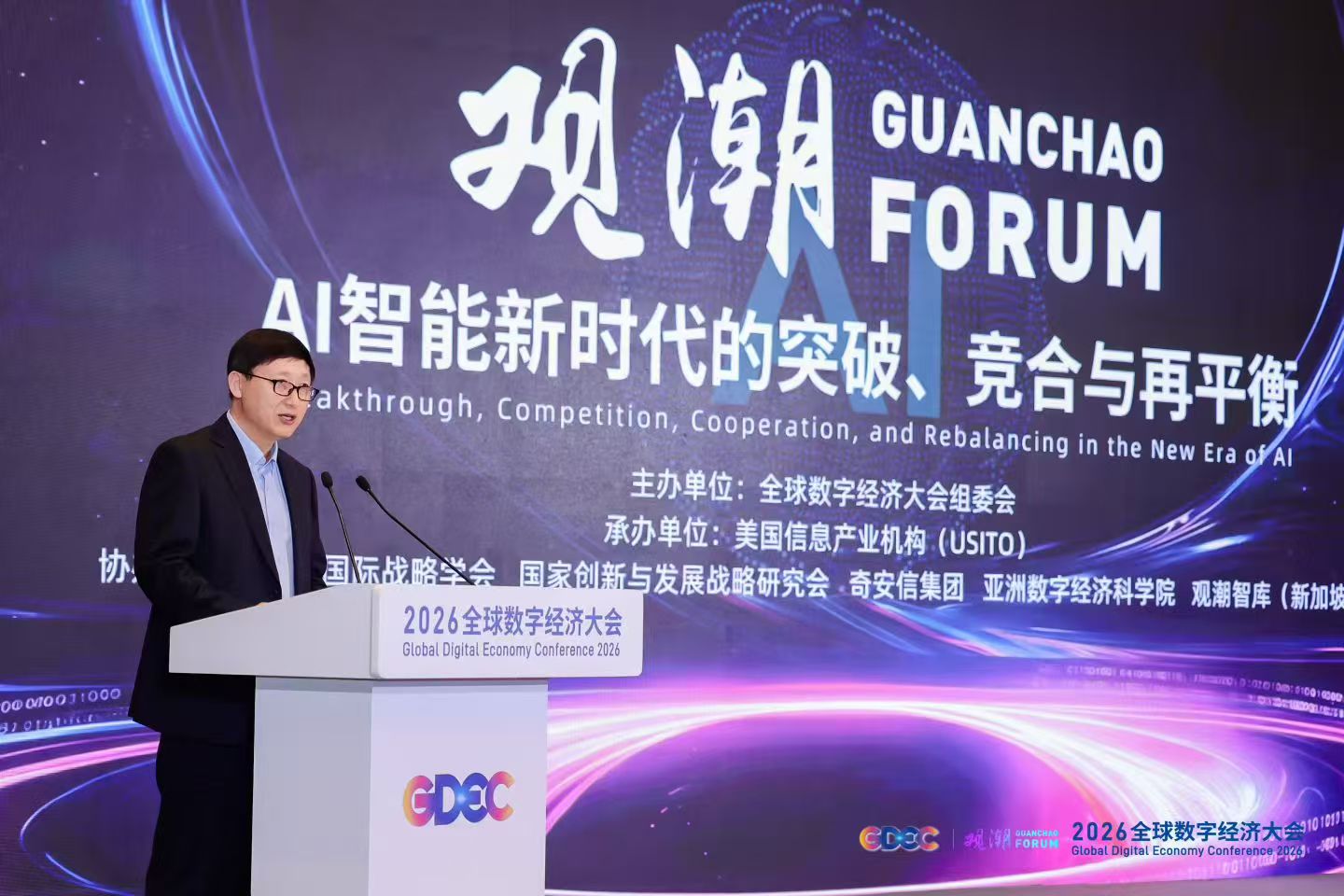
On July 3rd, AADE co-organized the 11th Guanchao Cyberspace Forum in Beijing, partnering with the China Institute of International Strategic Studies (CIISS), the National Strategy Institute for Innovation and Development, and QiAnXin Group. Held under the theme "Breakthrough, Competition, Cooperation, and Rebalancing in the New Era of AI," the forum reinforced its position as China's premier multi-stakeholder cyberspace platform.
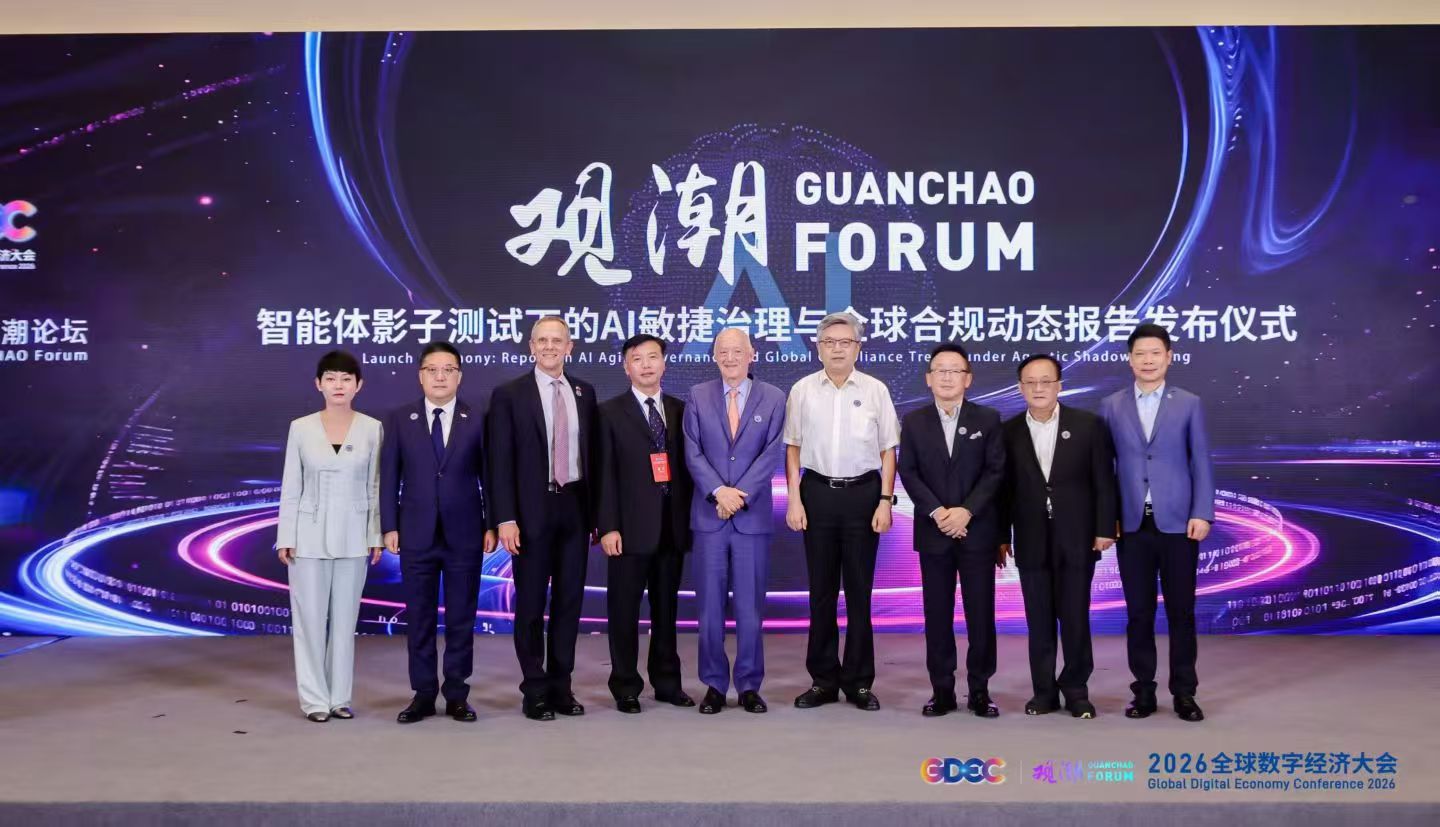
A key milestone of the forum was AADE's official release of its Report on AI Agile Governance and Global Dynamic Compliance, a collaborative initiative introducing a pioneering "shadow-user testing" methodology. Moving beyond traditional static compliance checklists, the report equips global regulators with a real-time, behavior-based framework for governing AI sandbox regulations and adaptive compliance.
China Data Elements 50 Forum: Financial Liquidity and Sovereign Data Assets
Expanding from technical governance to asset optimization, AADE participated in the 6th China Data Factors 50-Person Forum, themed "Activating the Potential of Data Elements to Drive High-Quality Development of the Intelligent Economy." The high-level hub was co-initiated by the Shenzhen Institute of Advanced Technology under the Chinese Academy of Sciences, the Research Department of the International Data Association (IDA-Research), and the United Nations World Silk Road Forum Digital Economy Research Institute, alongside prominent legal and digital data research faculties from Peking University, Zhejiang University, and East China University of Political Science and Law.
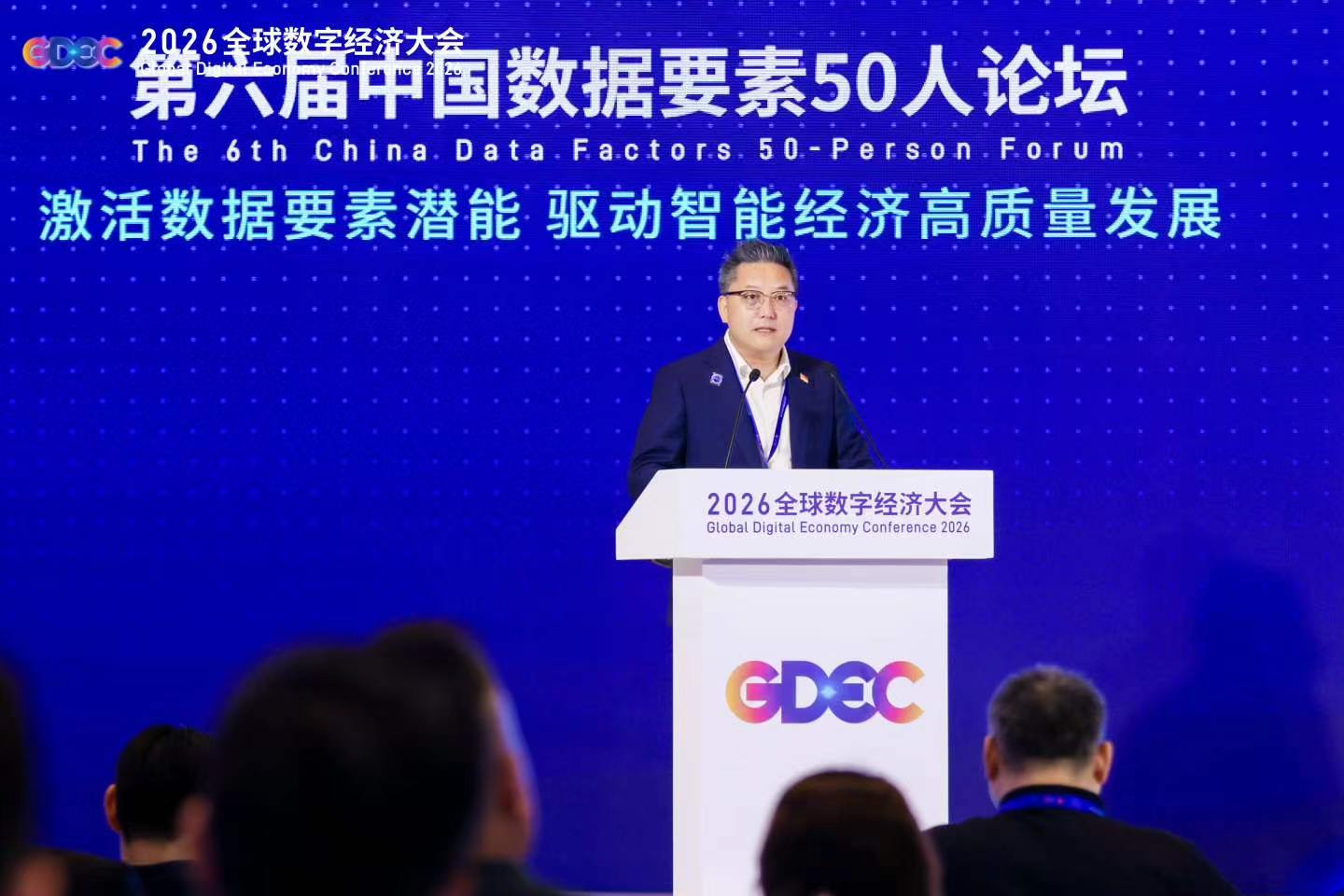
During his keynote address, "AI-Native: Igniting the Underpinning Transformation of Economic Operations," Tan Poh Hwee, President of AADE, asserted that the AI era is leaping from "scarcity" to "abundance," effectively ending traditional economic models rooted in scarcity. He emphasized that the paradigm is no longer about learning to utilize tools, but commanding intent directly to AI agents. He identified three pivotal transformations driven by this shift: the revolution of software engineering from SaaS to Service as Software; the restructuring of manufacturing via Embodied AI; and the democratization of creative and intellectual work, making individual taste the ultimate scarce asset. Ultimately, he projected the rise of "super-individuals" and "one-person unicorns," predicting that future organizational archetypes will comprise a minimal core brain paired with an extensive fleet of intelligent agents.
Global Dialogue on Digital-Friendly Cities: AADE as DEC40's Singapore Office
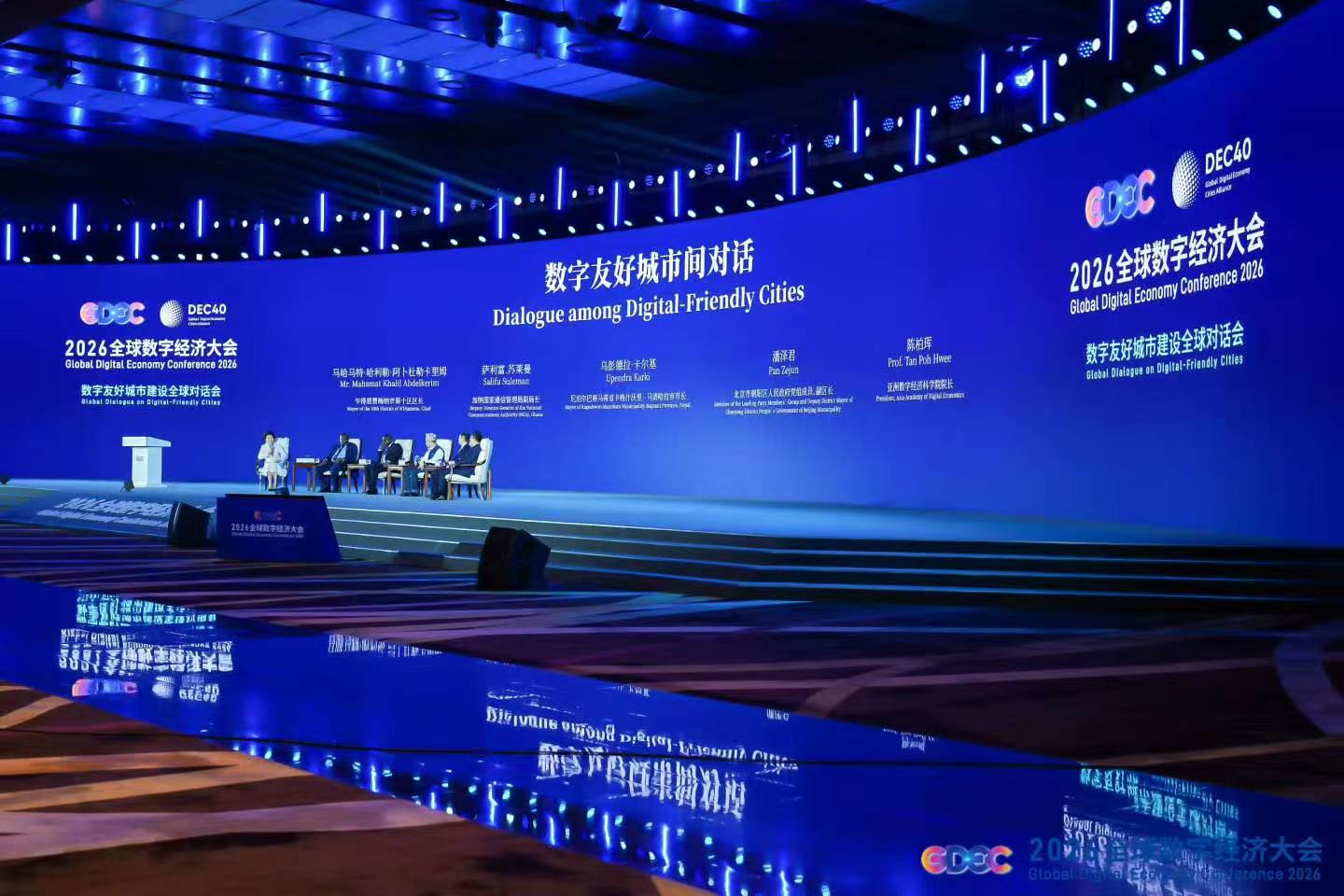

Hosted by the Global Digital Economy Cities Alliance (DEC40), the "Global Dialogue on Digital-Friendly Cities" convened in the Grand Ballroom of the China National Convention Center, bringing together AADE leadership, city mayors, and smart-city experts for a high-level discussion moderated by CGTN anchor Liu Xin.
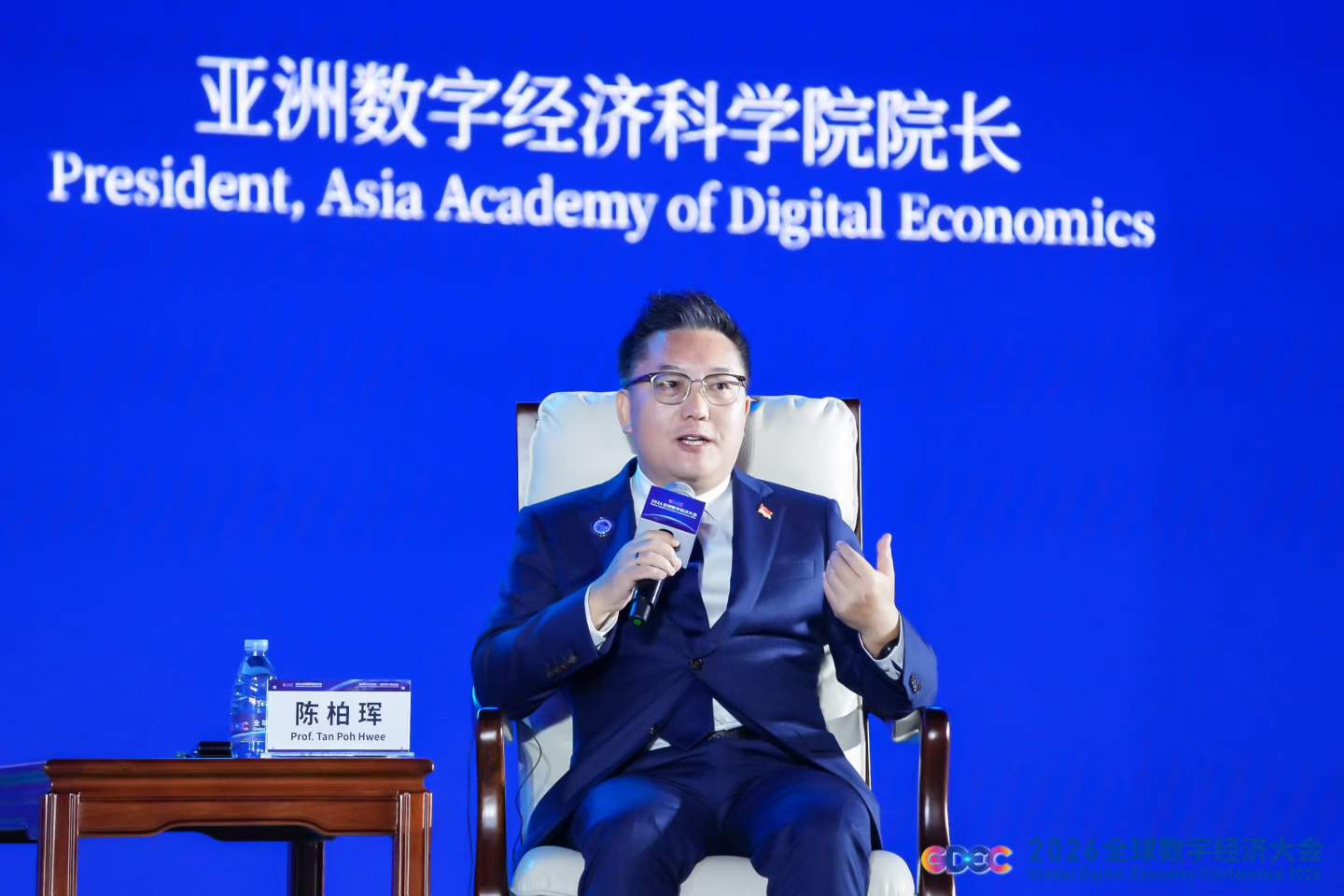


Following the successful establishment of the DEC40 Singapore Office, AADE has actively driven international exchanges and strategic cooperation. At the session, the Dean of AADE co-hosted a high-level dialogue with distinguished municipal and agency leaders, including Mahamat Khalil Abdelkerim, Mayor of the 10th District of N'Djamena, Chad, Salifu Suleman, Deputy Director-General of the National Communications Authority of Ghana, Upendra Karki, Mayor of Kageshwori-Manohara Municipality, Nepal, and Pan Zejun, Deputy District Mayor of Beijing's Chaoyang District. The deliberations yielded tangible collaborative outcomes, leveraging the digital economy as a strategic entry point to promote practical partnerships and empower different nodes of the global industry chain to maximize their complementary advantages.
Daxing International Cooperation Forum for Going Global
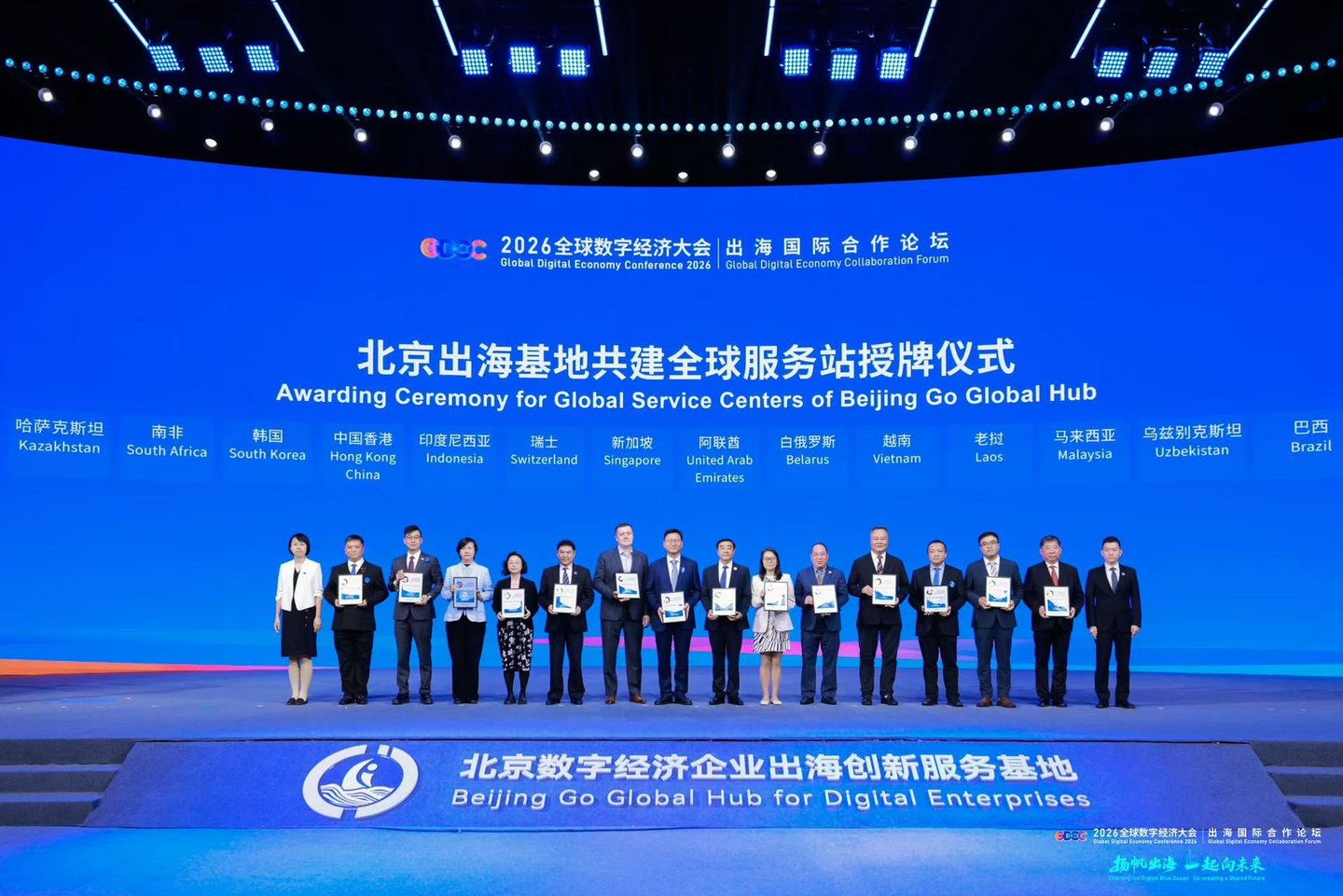
Addressing the link between macro governance and microeconomic commercialization, the International Cooperation Forum for Going Global was held in Daxing, Beijing. Under the theme "Sailing Overseas, Together for the Future," the event drew nearly 1,000 delegates, including UN officials, foreign diplomats in China, ministry representatives, and corporate leaders.
As part of the forum, AADE's Singapore Office was formally awarded as one of the inaugural Global Service Centers under the Beijing Go Global Hub for Digital Enterprises, joining counterparts from Kazakhstan, South Africa, South Korea, Hong Kong, Indonesia, Switzerland, the UAE, Belarus, Vietnam, Laos, Malaysia, Uzbekistan, and Brazil at the awarding ceremony.