

Financial Street Forum Convenes Leaders on AI-Empowered Finance
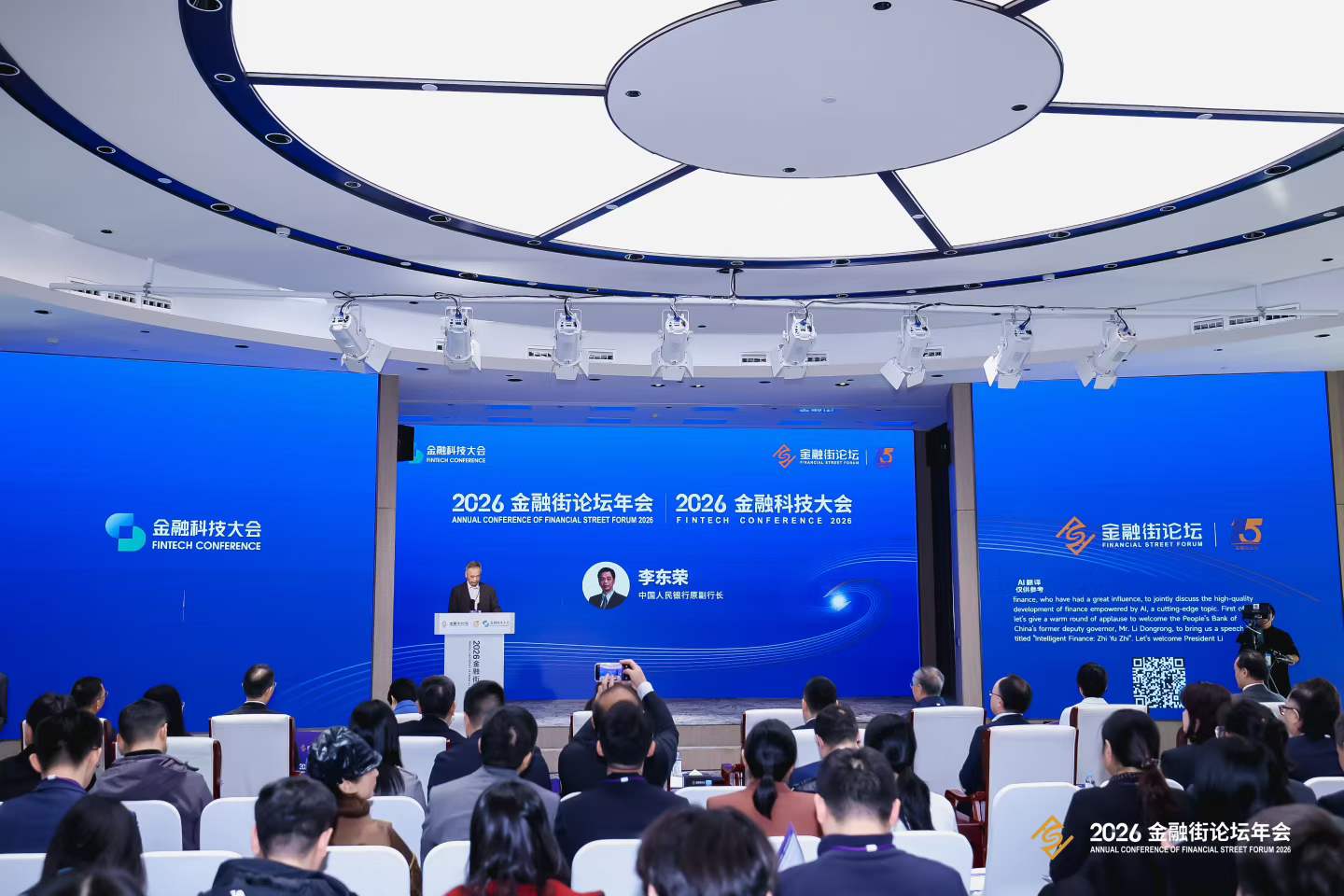
The 2026 Financial Street Forum Annual Conference opened in Beijing under the theme "Openness, Cooperation and Inclusiveness: Building a New Global Financial Ecosystem." Jointly hosted by the People's Government of Beijing Municipality, the People's Bank of China, the National Financial Regulatory Administration, the China Securities Regulatory Commission, Xinhua News Agency and the State Administration of Foreign Exchange, the conference is one of China's leading platforms for international dialogue on financial policy. As part of the conference, the forum "AI Leading Finance, Digital Innovation for the Future: AI for High-Quality Financial Development" was held on October 22 at the Beijing Fintech Center, themed "Intelligent Finance, Digital Innovation Future: AI Empowering High-Quality Financial Development."
The conference brought together leading voices from government, regulation, academia, the financial industry and the international fintech community. Leaders and guests included:
- Yin Li, Secretary of the CPC Beijing Municipal Committee
- Pan Gongsheng, Governor of the People's Bank of China
- Ding Xiangqun, Minister of the National Financial Regulatory Administration
- Wu Qing, Chairman of the China Securities Regulatory Commission
- Fu Hua, President of Xinhua News Agency
- Sima Hong, Vice Mayor of Beijing and Chairperson of the Beijing Committee of the China Democratic National Construction Association
- Peng Shige, Academician of the Chinese Academy of Sciences
- Li Dongrong, former Deputy Governor of the People's Bank of China
- Zhou Yanli, former Vice Chairman of the China Insurance Regulatory Commission
- Tan Poh Hwee, President of the Asia Academy of Digital Economics (AADE)
- Guo Tianyong, Professor at Central University of Finance and Economics
- Ma Xiaohang, Chief Information Officer of MYbank
- Alex Panican, representative of the Luxembourg fintech community
AADE Charts the Path to Trustworthy AI-Native Financial Services
At the forum "AI Leading Finance, Digital Innovation for the Future: AI for High-Quality Financial Development", AADE President Tan Poh Hwee delivered a thematic speech titled "Paradigm Shift and Path Choices in AI-Native Financial Services," sharing AADE's perspective on how financial institutions can deploy AI agents that are usable, trustworthy and controllable.
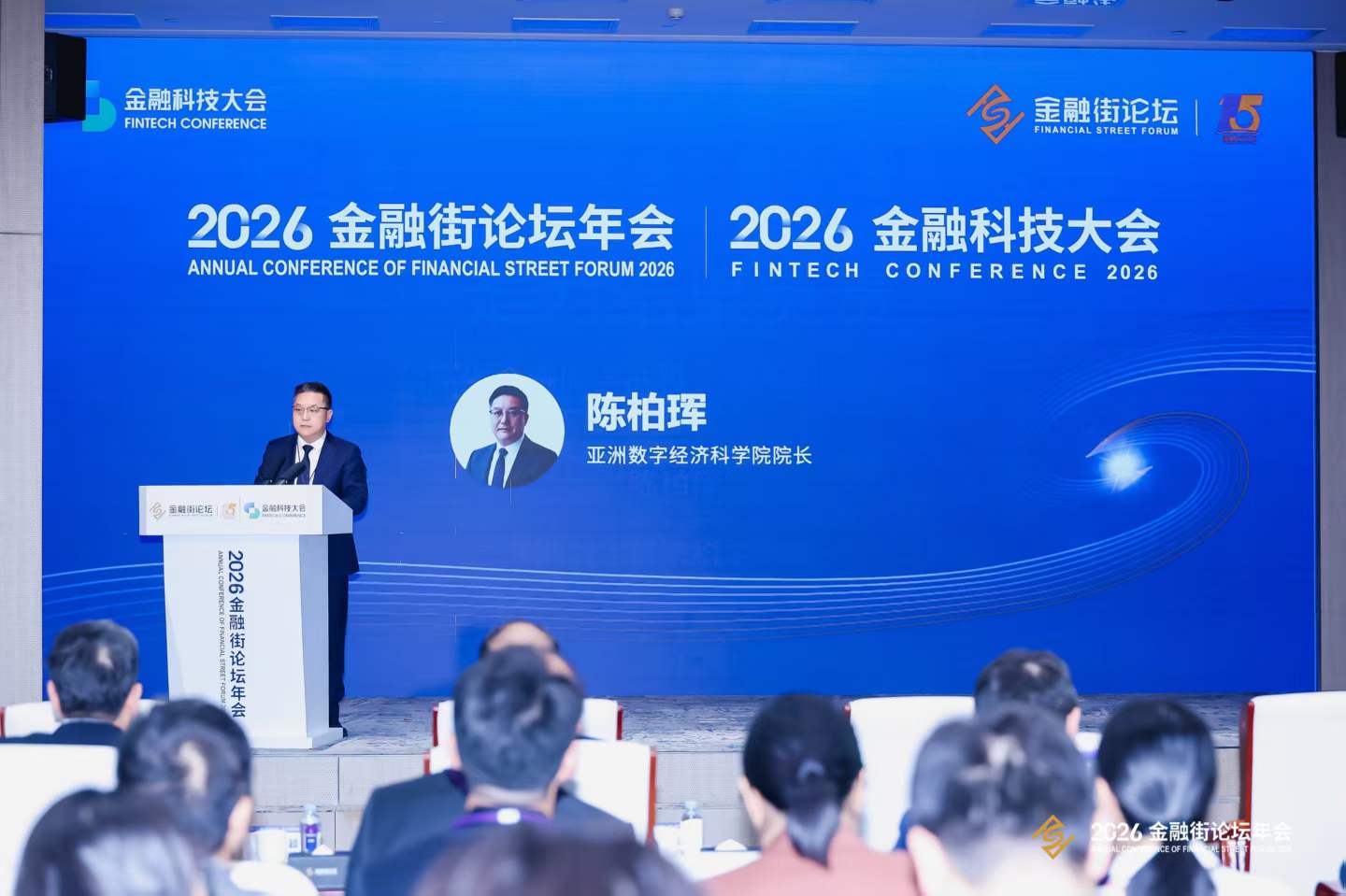
Tan noted that as AI begins to take on financial work directly, service standards, pricing and liability arrangements must evolve with it. "How far AI-native financial services can go depends not only on how much work AI can complete, but also on whether we can make every authorization, every delivery and every responsibility clear," he said. The speech centred on four key ideas:
- From selling tools to selling work
- AI undertakes specific tasks within an authorized scope, while humans supervise and handle exceptions.
- AI services should be judged by delivery quality, total cost and liability, not just functions and efficiency.
- Defining "completed" in outcome-based pricing
- Outcomes must be verifiable deliveries, and fee metrics must not induce the wrong behavior.
- In insurance claims, charging by reduced payouts could encourage improper denials; standards should balance accuracy, timeliness, compliance and customer impact.
- Calibrating AI autonomy
- AI involvement should depend on whether results are verifiable, errors correctable and losses controllable.
- "Being able to propose a judgment does not mean it can be executed directly": authorization limits, rule checks and human takeover should form one controlled process.
- Four questions on responsibility
- Who authorizes, who accepts, who takes over, and who bears the loss.
- Each party's responsibility should match its actual ability to control the outcome.