

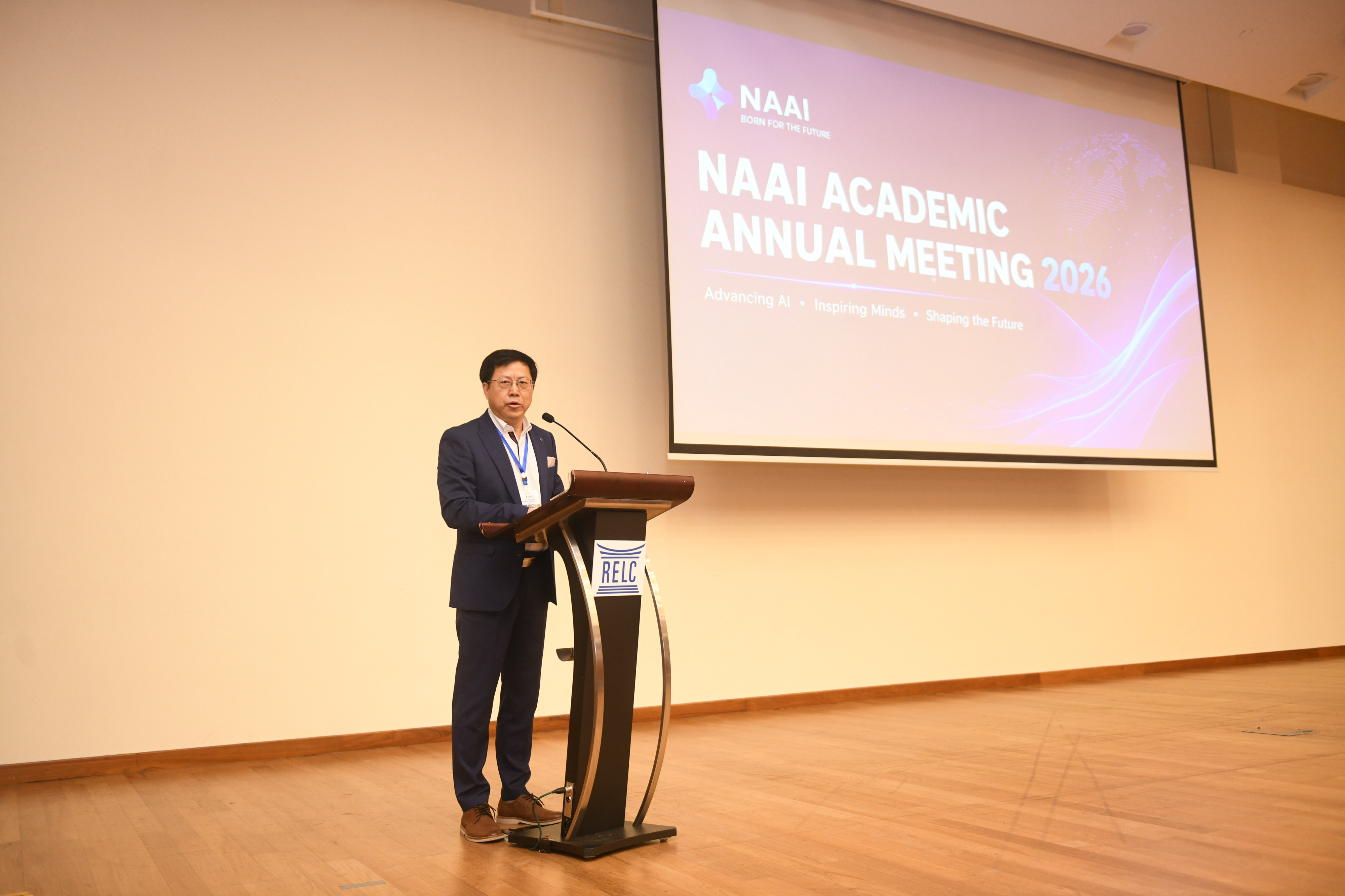
The 2026 Annual Academic Conference of the National Academy of Artificial Intelligence (NAAI) opened with great enthusiasm, welcoming distinguished scholars, experts, and industry leaders from around the world. The conference is an important international platform for sharing cutting-edge research, discussing future AI developments, and fostering collaboration across diverse fields including artificial intelligence, high-performance computing, energy systems, and AI governance.
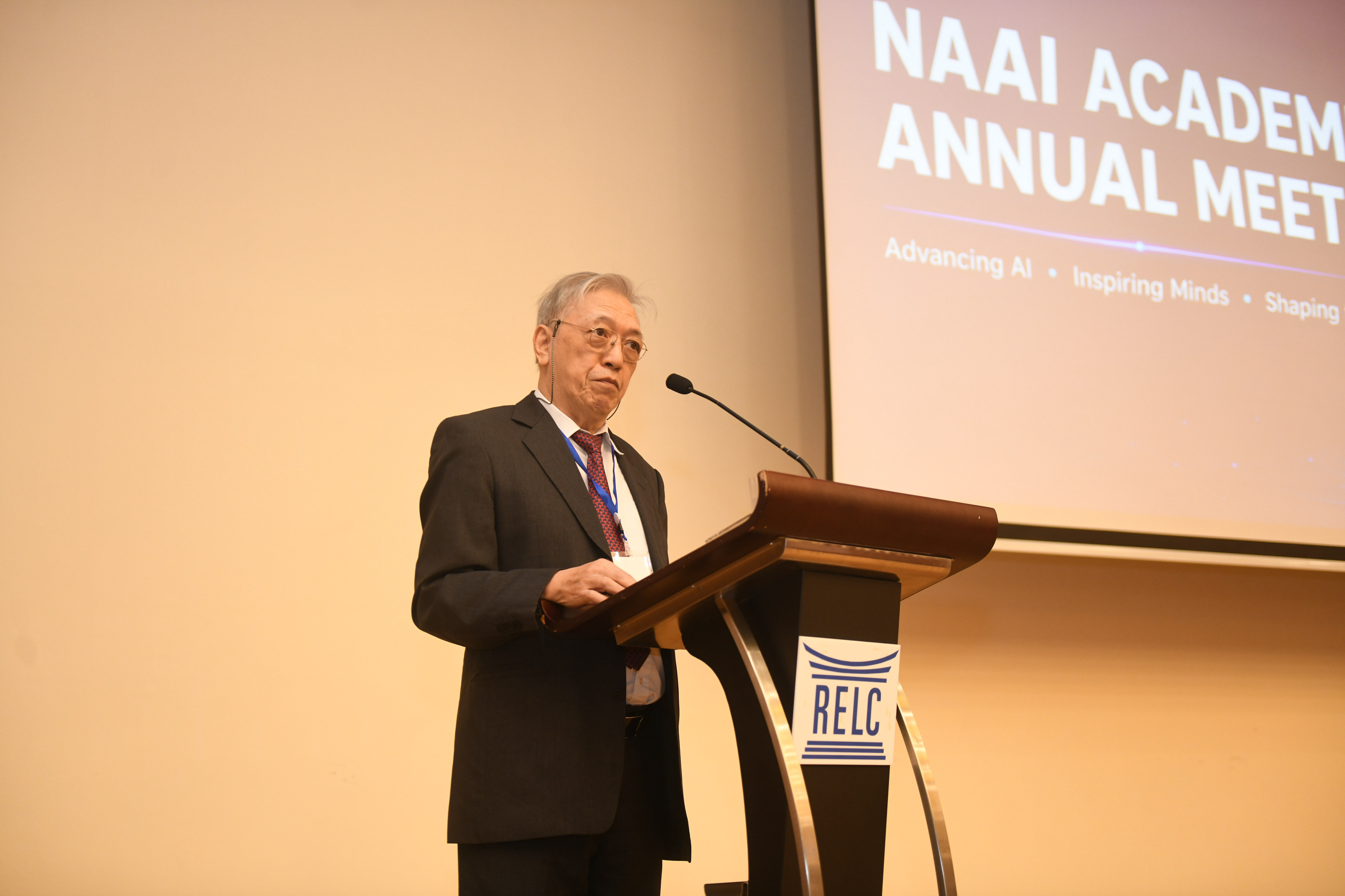
The opening remarks were delivered by Mr. Chan Soo Sen, Former Member of Parliament of Singapore and Former Acting Minister for Education. He extended his warmest congratulations on the opening of the conference and expressed his appreciation for the international exchange of ideas. His speech highlighted Singapore’s commitment to technological innovation and the vital role of artificial intelligence in shaping global progress in sectors such as healthcare, finance, education, and urban governance.
The NAAI Annual Awards Ceremony, held during the conference, recognized scholars and teams for their outstanding contributions to the field of artificial intelligence. This recognition not only celebrates individual and team achievements but also honors the spirit of scientific pursuit and academic dedication.
Featured Speakers
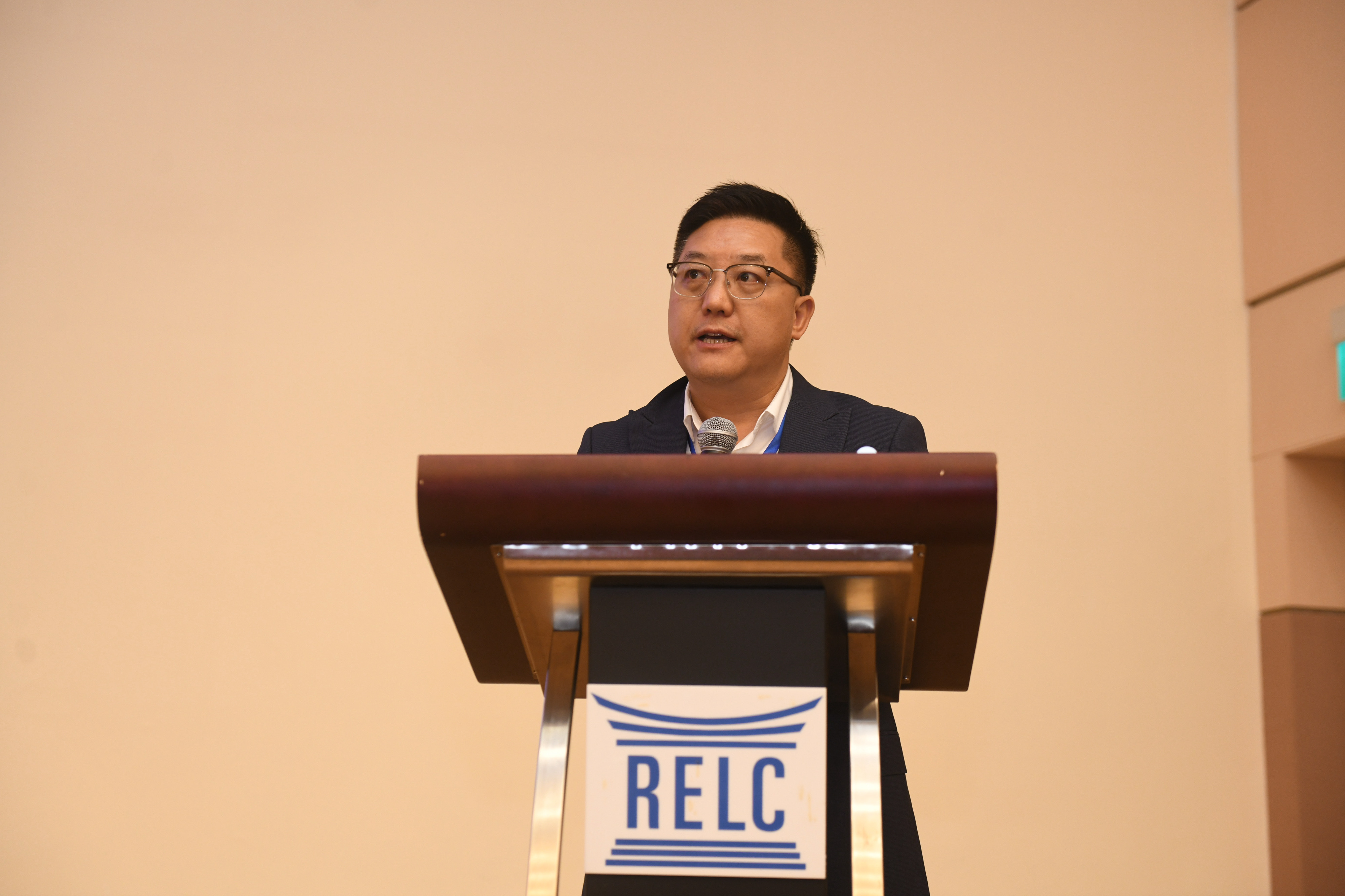
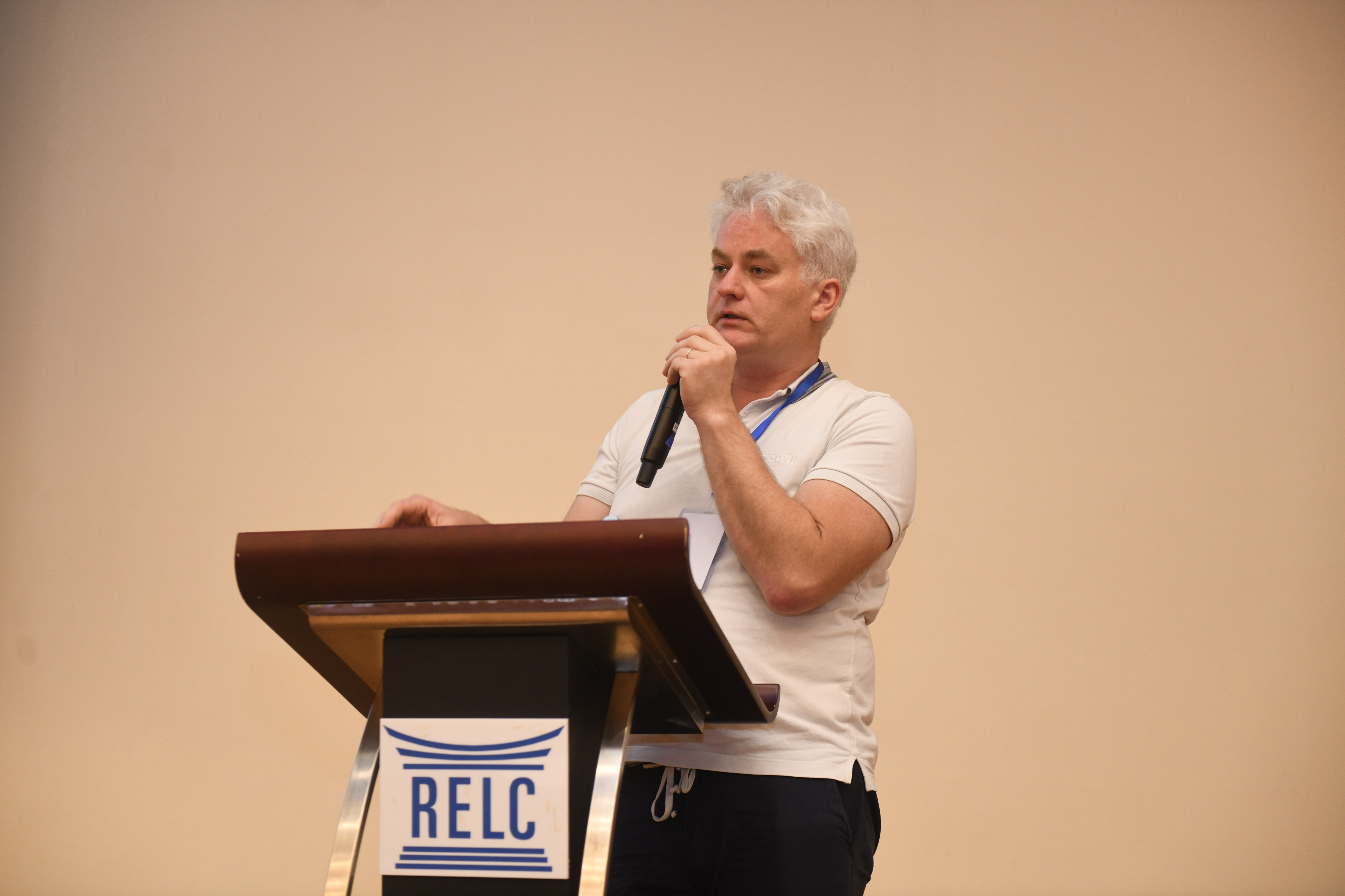
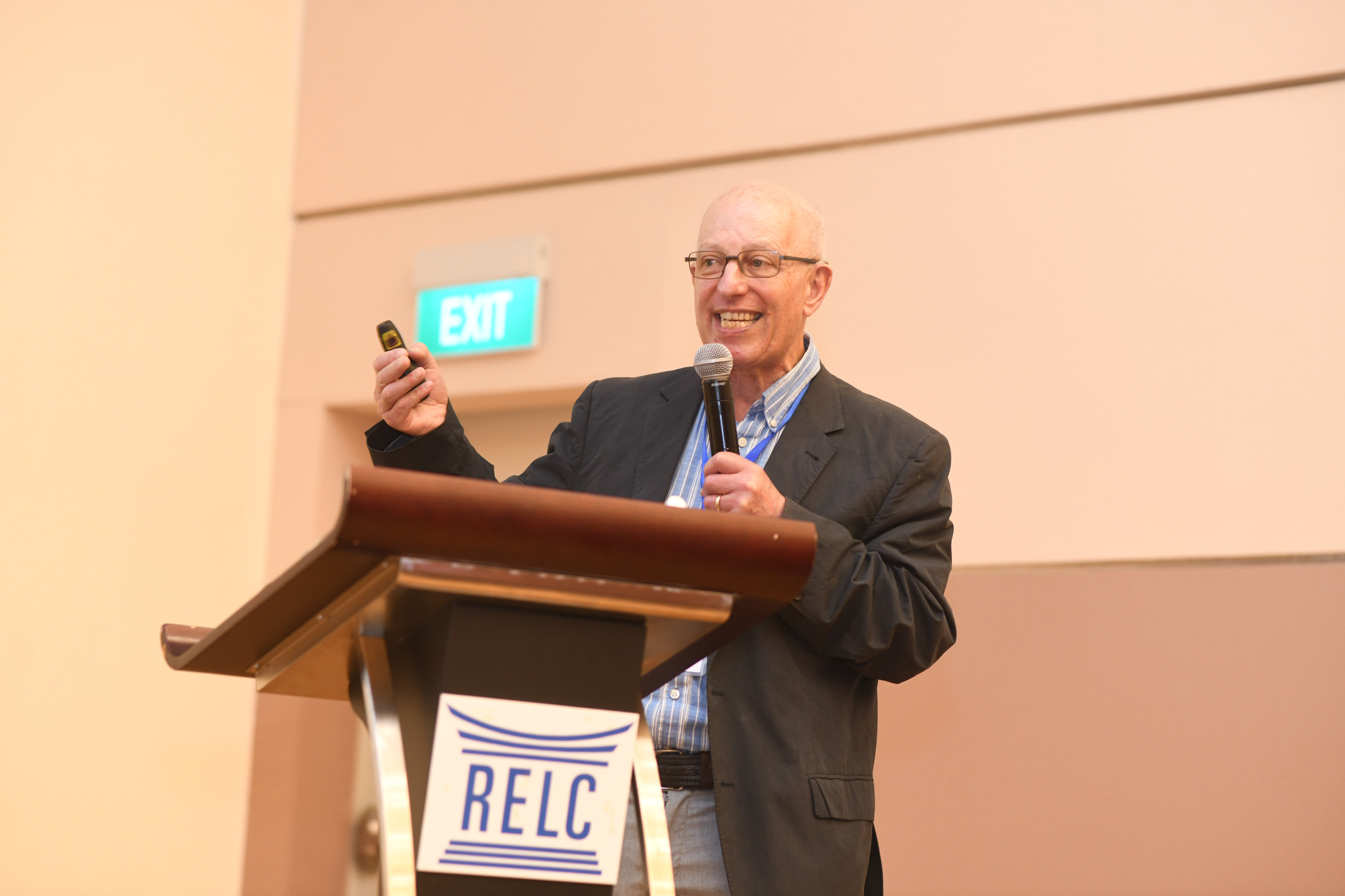
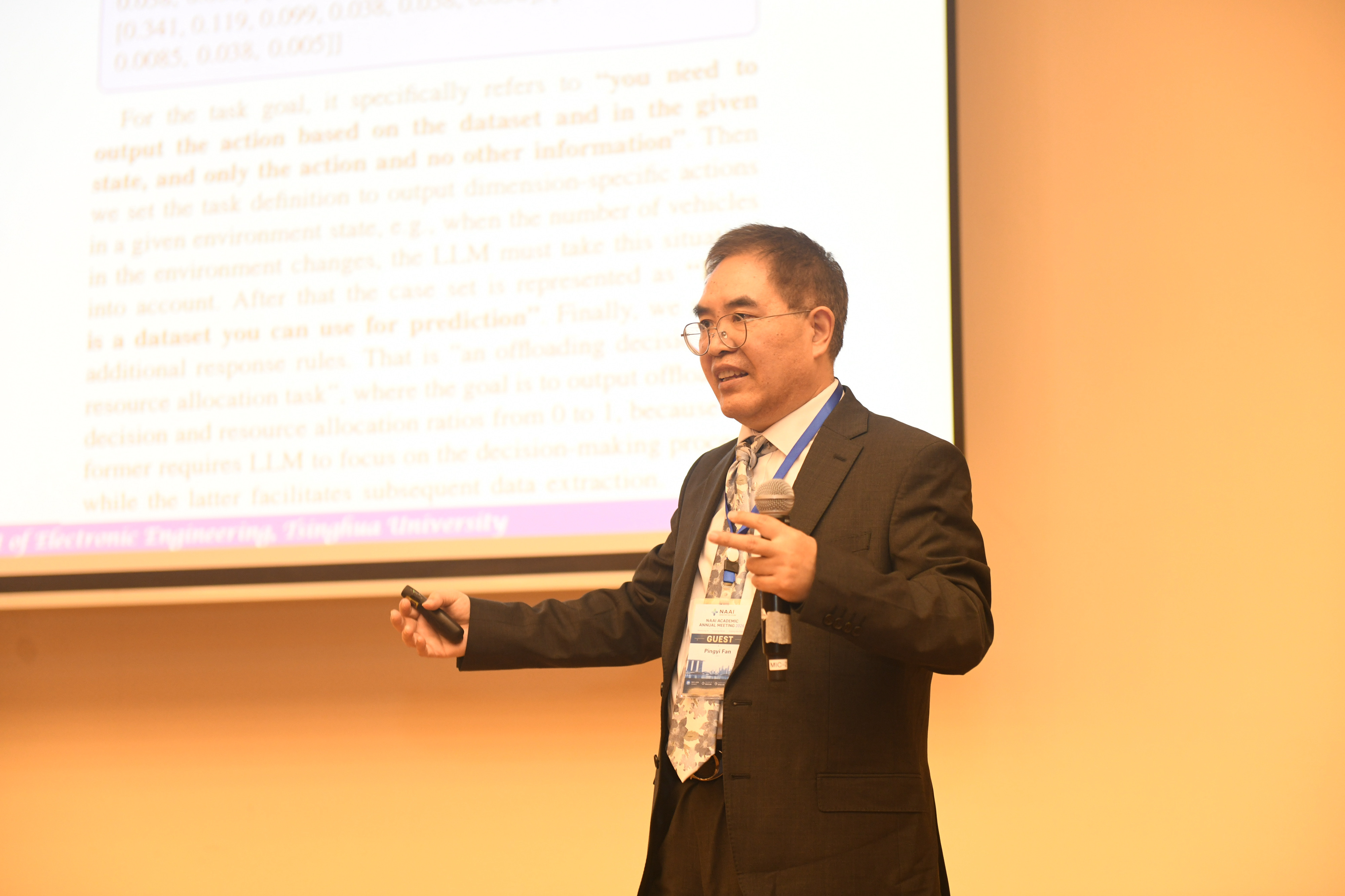
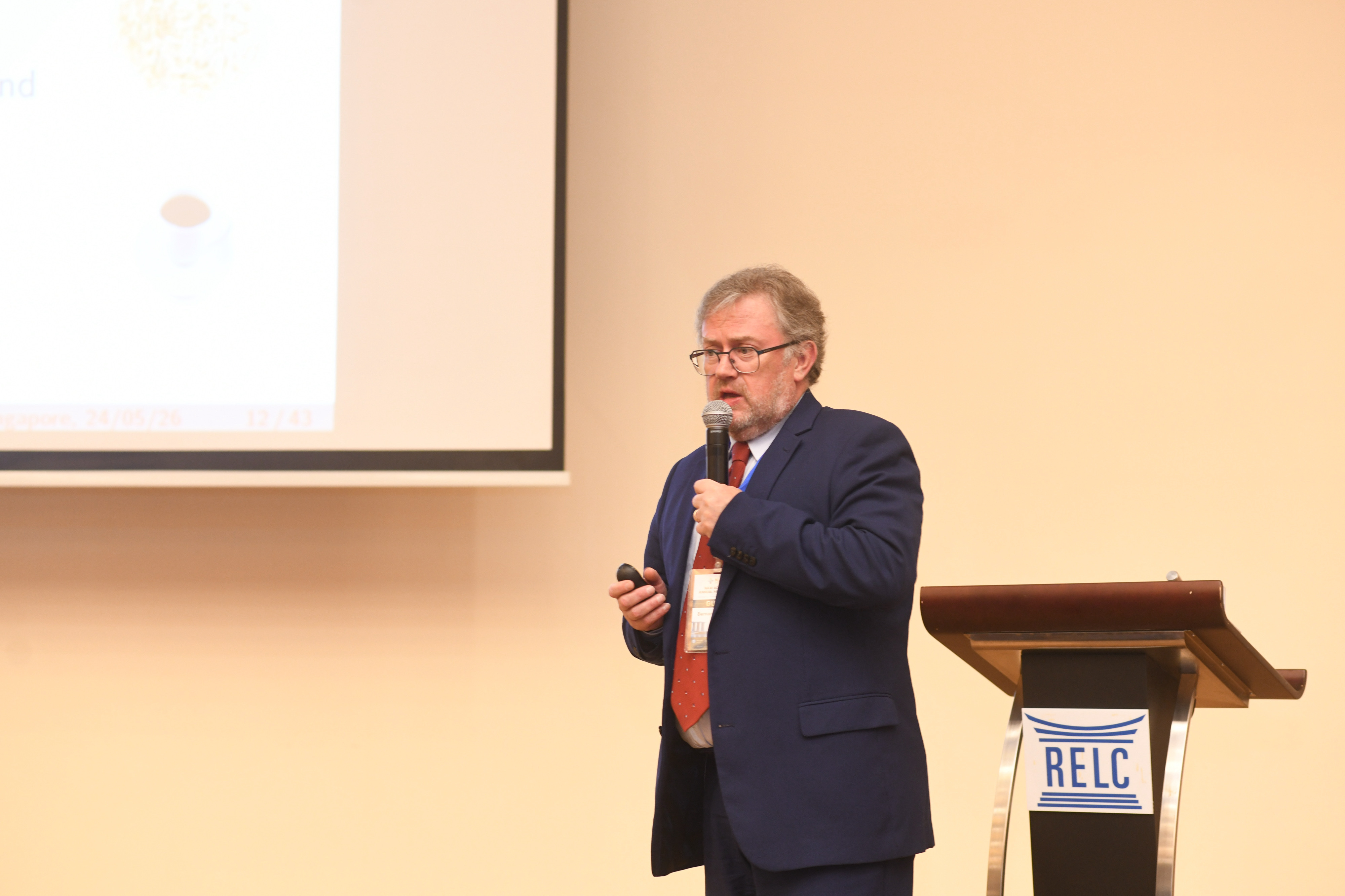
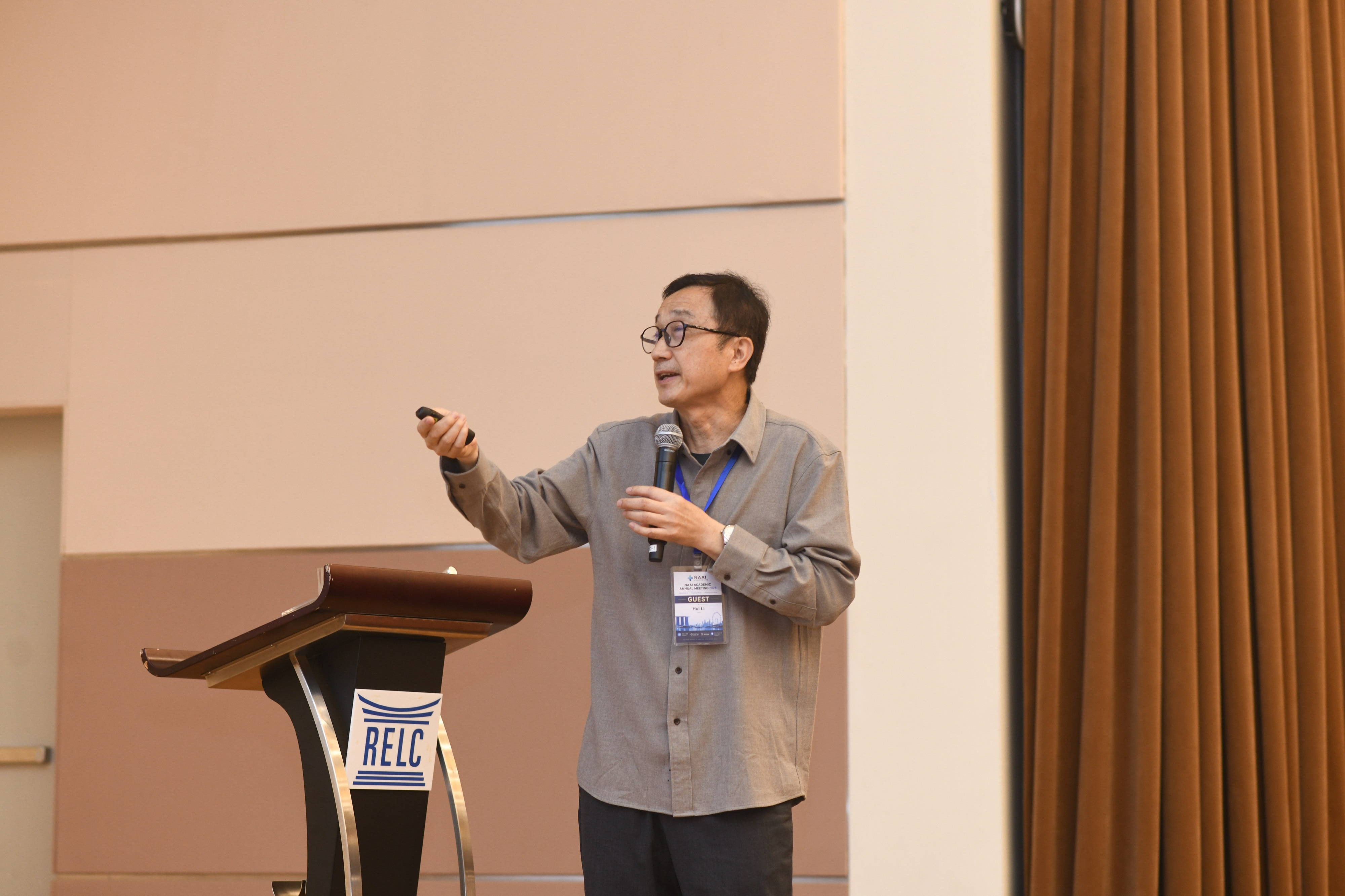
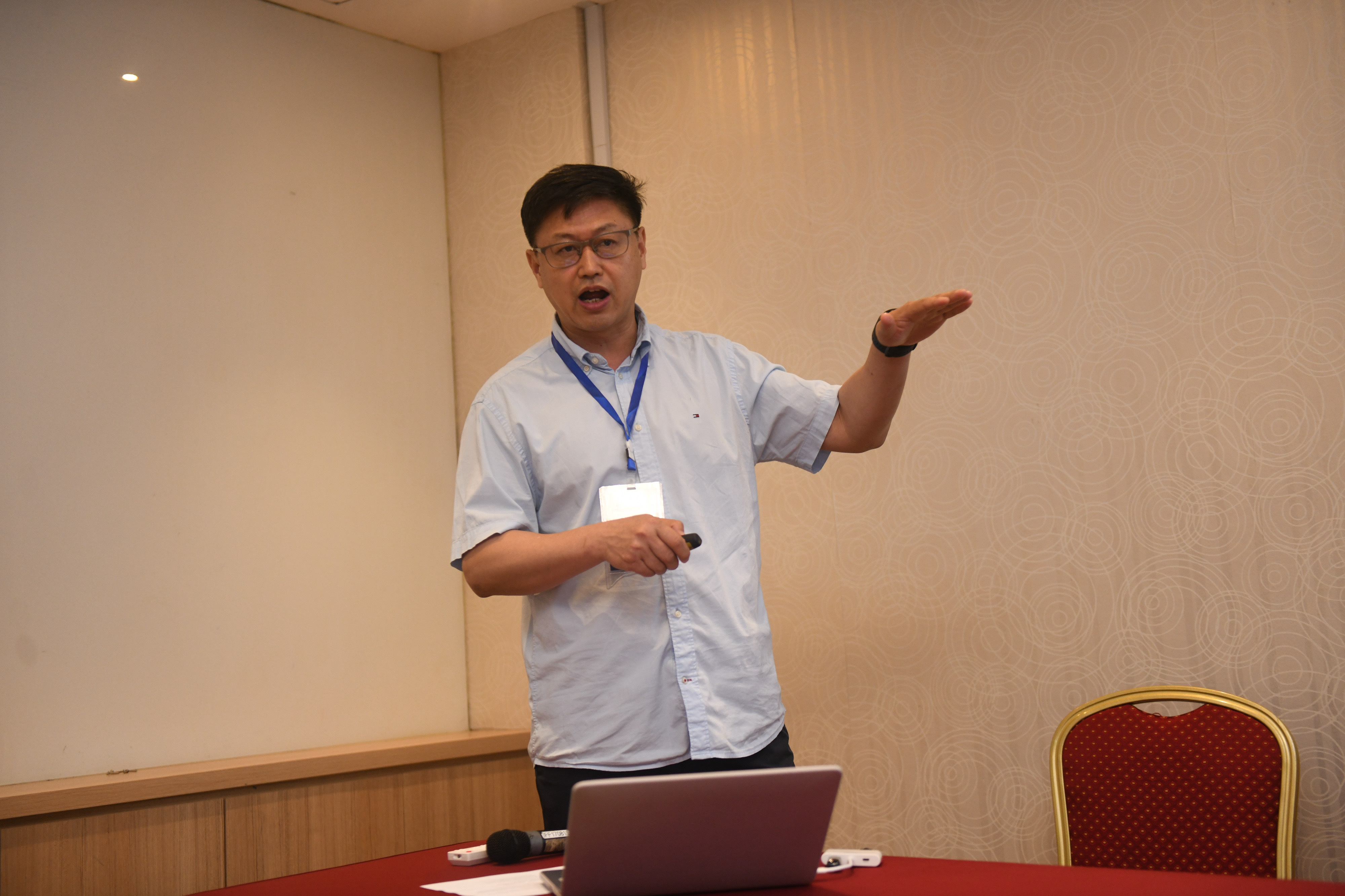
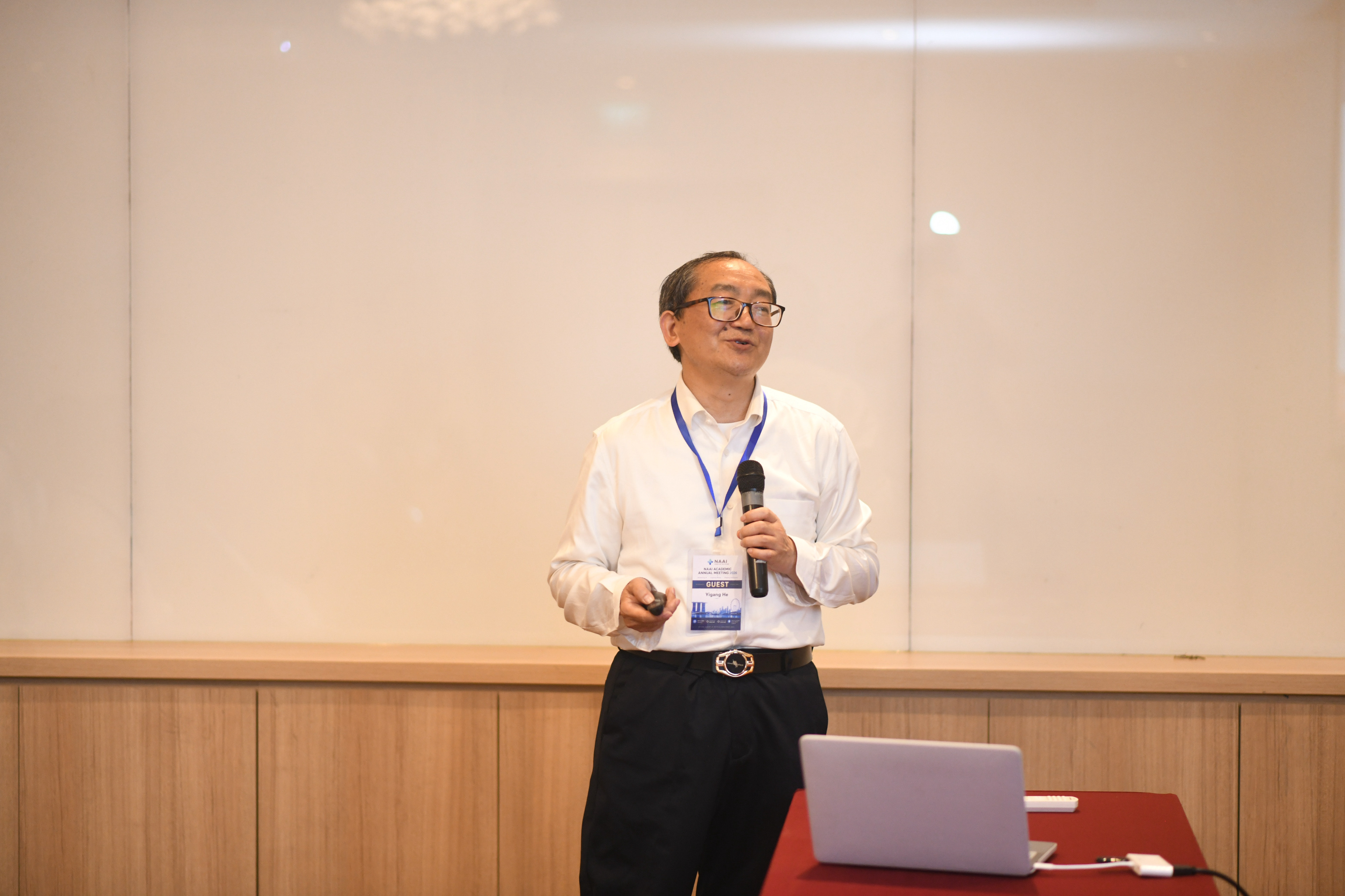
The conference featured a diverse range of thought-provoking talks from renowned experts, exploring various aspects of artificial intelligence:
Moshe Y. Vardi
Affiliation: Rice University
Biography: A leading authority in the field of computer science, with foundational contributions to logic, automated reasoning, and the basic theories of AI. He has long explored the essence of artificial intelligence and consciousness.
Wen Jung Li (李文荣)
Affiliation: City University of Hong Kong
Biography: Vice President of City University of Hong Kong, former NASA JPL researcher. His research focuses on AI perception, flexible electronics, and embodied intelligence, with significant international influence in human-machine interaction.
Anthony G. Cohn
Affiliation: University of Leeds
Biography: An international authority in spatial and temporal reasoning, with research focused on knowledge representation and cognitive intelligent systems.
Yves Demazeau
Affiliation: CNRS
Biography: One of the founders of multi-agent systems and the VOWELS paradigm, with a significant impact on distributed artificial intelligence.
Jack Dongarra
Affiliation: University of Tennessee
Biography: A global leader in high-performance computing and winner of the Turing Award, with a profound impact on the development of HPC and scientific computing.
Bernard De Baets
Affiliation: Ghent University
Biography: Head of the Department of Data Analysis and Mathematical Modeling at Ghent University, author of over 700 papers with an h-index of 91, and an international authority in fuzzy systems.
Pingyi Fan (樊平毅)
Affiliation: Tsinghua University
Biography: A key scholar in the field of 6G communications and semantic communication, driving the integration of AI and communication systems.
Hui Li (李挥)
Affiliation: Peking University
Biography: Proposed the "Three Laws of Cyberspace Security" and has had a significant impact on AI governance and trusted systems.
Junyu Dong (董军宇)
Affiliation: Ocean University of China
Biography: An expert in underwater 3D imaging, with systems achieving internationally leading precision.
Ning Zhong (钟宁)
Affiliation: Maebashi Institute of Technology
Biography: A pioneer in the integration of Web Intelligence and Brain Informatics, advancing the fusion of AI and cognitive science.
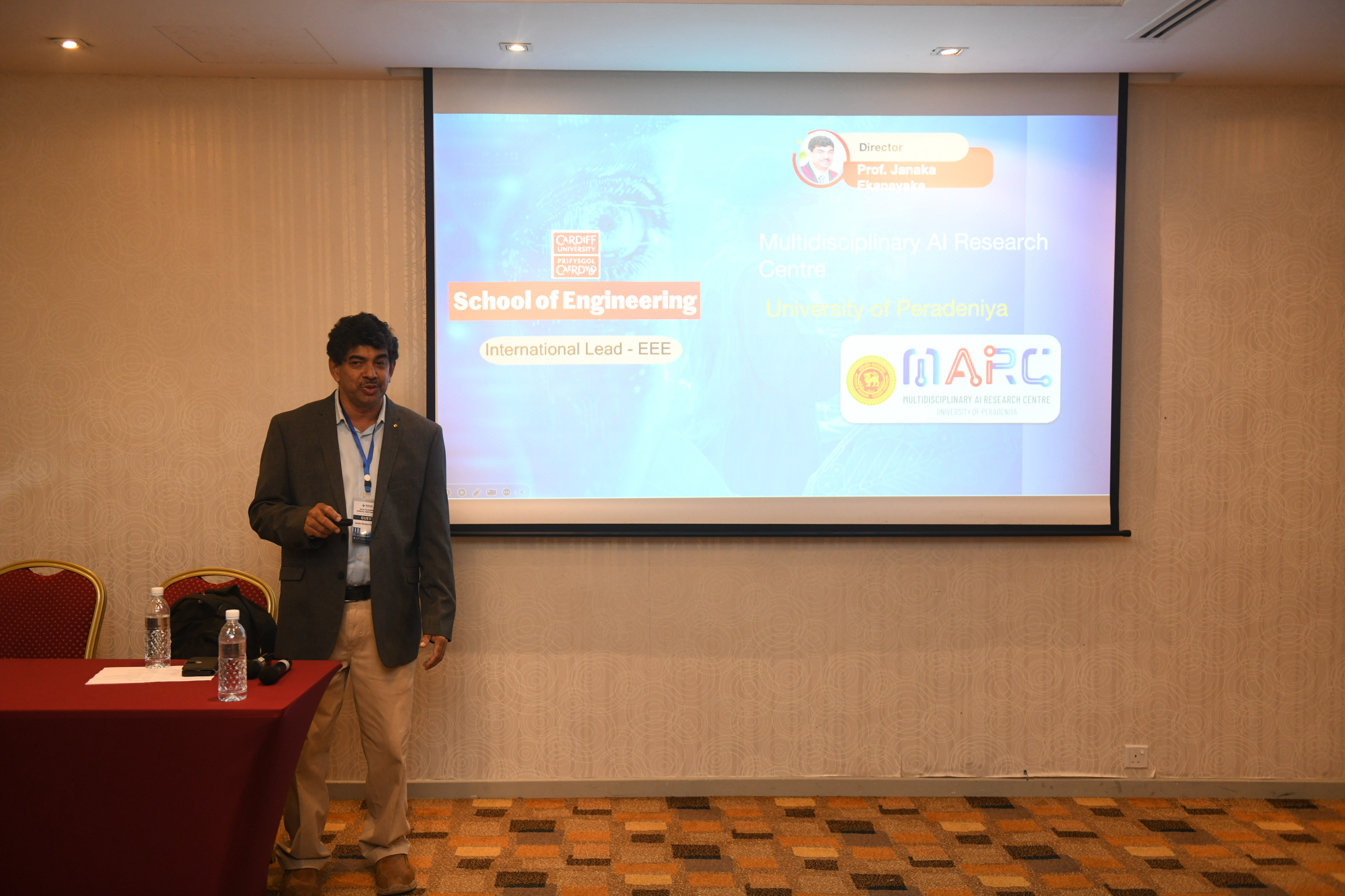
Bandara Ekanayake
Affiliation: University of Peradeniya
Biography: IEEE Fellow, specializing in smart grids and AI-driven energy systems.
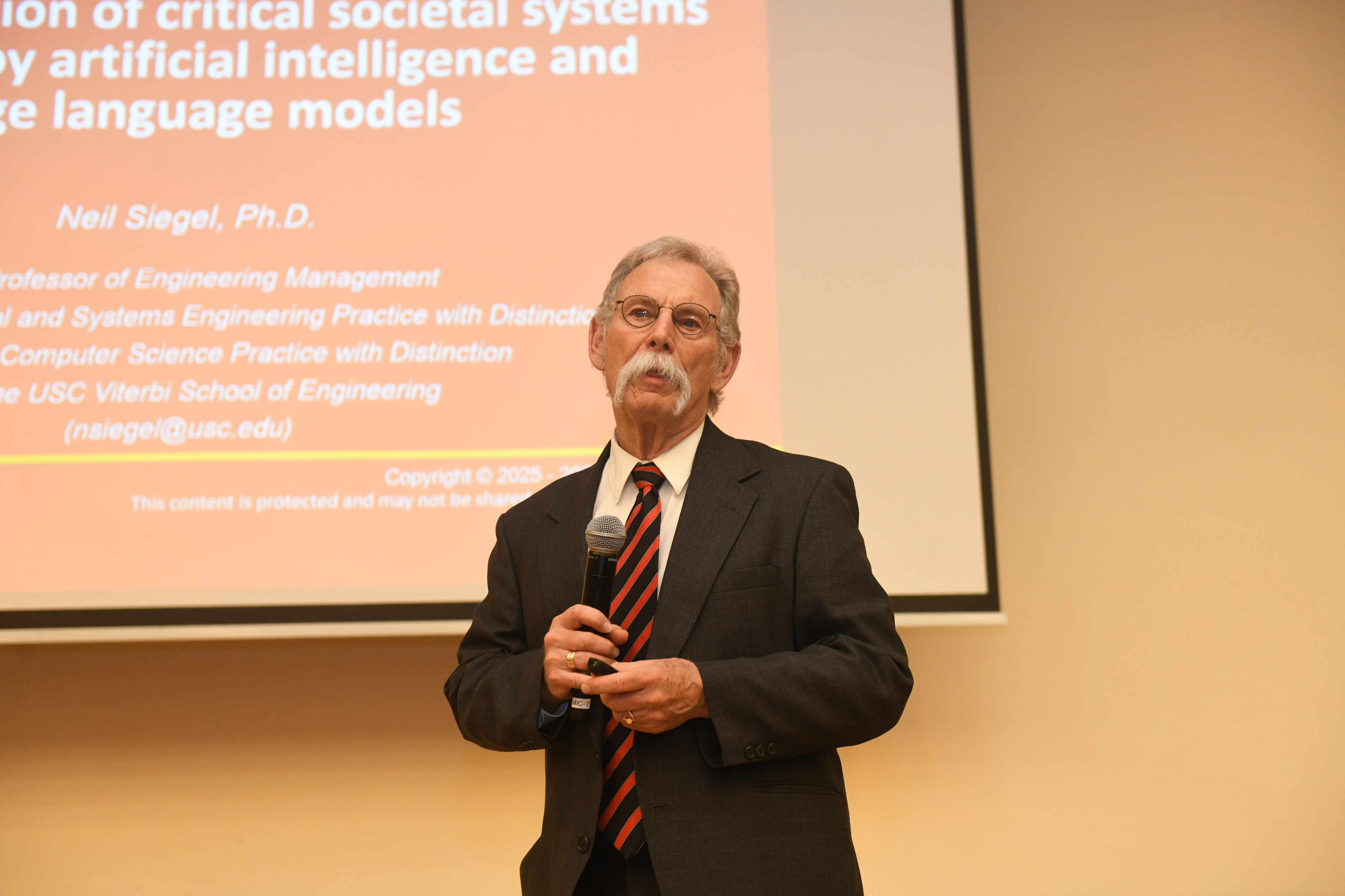
Neil Siegel
Affiliation: University of Southern California (USC)
Biography: A member of the US National Academy of Engineering, focusing on AI safety and the reliability of critical systems.
Yigang He (何怡刚)
Affiliation: Wuhan University
Biography: A National Distinguished Young Scholar, an international leader in intelligent operations and maintenance for energy systems.
Ming Fang (方明)
Affiliation: iFLYTEK
Biography: Vice President of iFLYTEK, advancing the industrial application of AI.
Shuo-Yen Robert Li (李硕彦)
Biography: An important scholar in information theory and computational theory, driving the fusion of AI and cultural structures.
Qijun Sun (孙其君)
Affiliation: Chinese Academy of Sciences
Biography: An expert in flexible electronics and intelligent sensing, with numerous publications in Nature journals.
Xiaojun Wu (吴小俊)
Affiliation: Jiangnan University
Biography: An influential scholar in computer vision, with over 400 published papers.
Fuchun Sun (孙富春)
Affiliation: Tsinghua University
Biography: IEEE Fellow, a leader in the fields of robotics and embodied intelligence.
Wenhong Tian (田文洪)
Affiliation: University of Electronic Science and Technology of China (UESTC)
Biography: An expert in large model training and scheduling optimization.
Hamid Reza Karimi
Affiliation: Politecnico di Milano
Biography: A member of the European Academy, an expert in intelligent control and acoustical engineering.
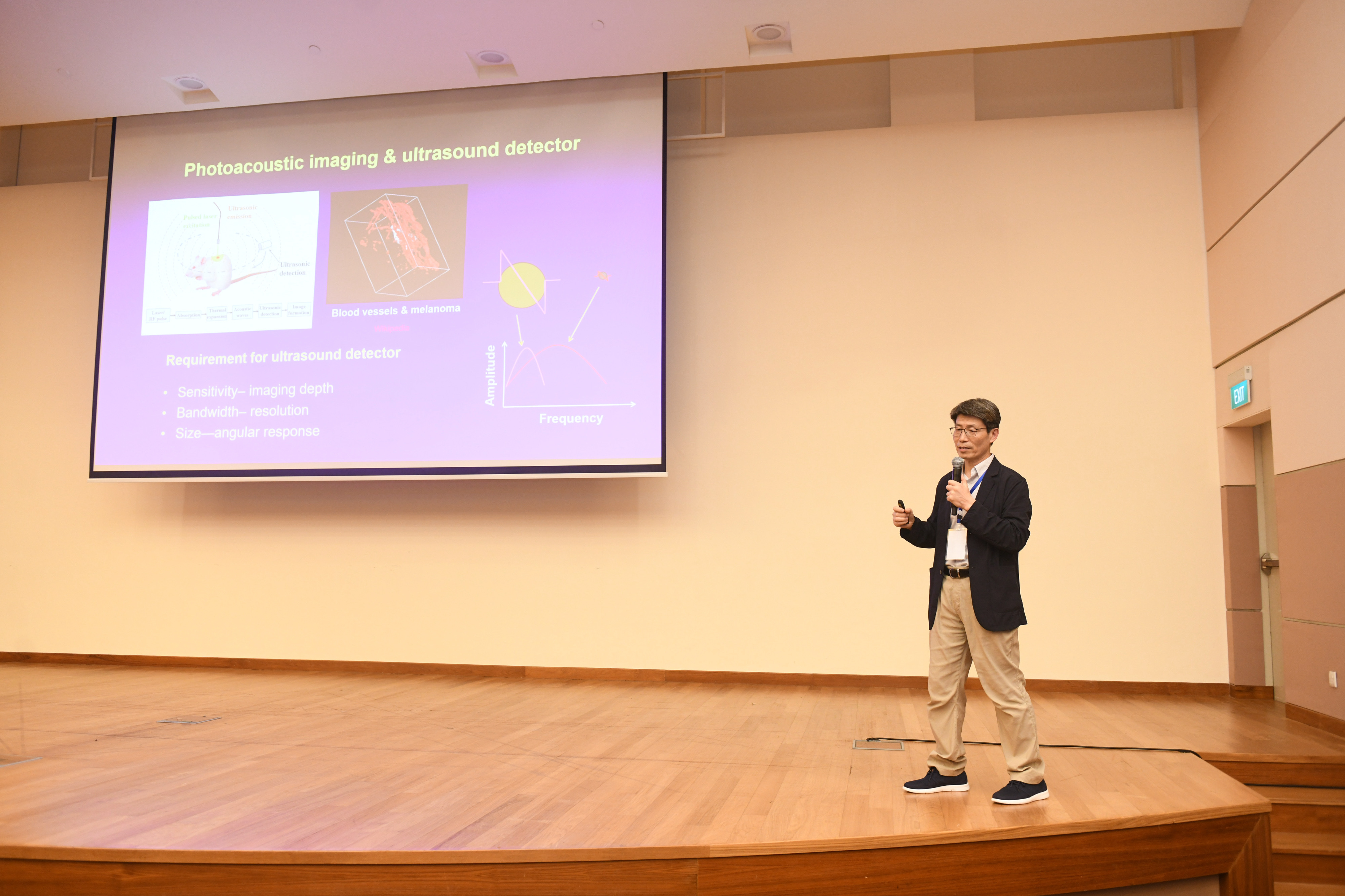
L. Jay Guo
Affiliation: University of Michigan
Biography: An internationally recognized scholar in optical engineering and bio-imaging.
Tan Poh Hwee (陈柏珲)
Affiliation: Asia Academy of Digital Economics
Biography: An internationally renowned scholar in digital economy, dedicated to advancing global AI governance and the development of the digital economy.
Closing Remarks
The closing session underscored the vital role of collaboration in the development of artificial intelligence. Experts from various domains came together to explore how AI can be harnessed for the greater good of humanity, ensuring that technology serves people, society, and the progress of civilization.
Singapore continues to position itself as a global hub for innovation, fostering international exchange and collaboration through events like the NAAI Annual Academic Conference. The contributions of the Asia Academy of Digital Economics, led by Mr. Tan Poh Hwee, were also acknowledged for facilitating meaningful discussions and collaborations in AI governance, digital economy, and technological innovation.
Looking Ahead
The conference laid the foundation for future collaborations and discussions on global AI governance, setting the stage for new partnerships and breakthroughs in AI and technology. It highlighted the importance of combining academic research with industrial application, and the need for a global approach to solve the challenges that AI presents.