
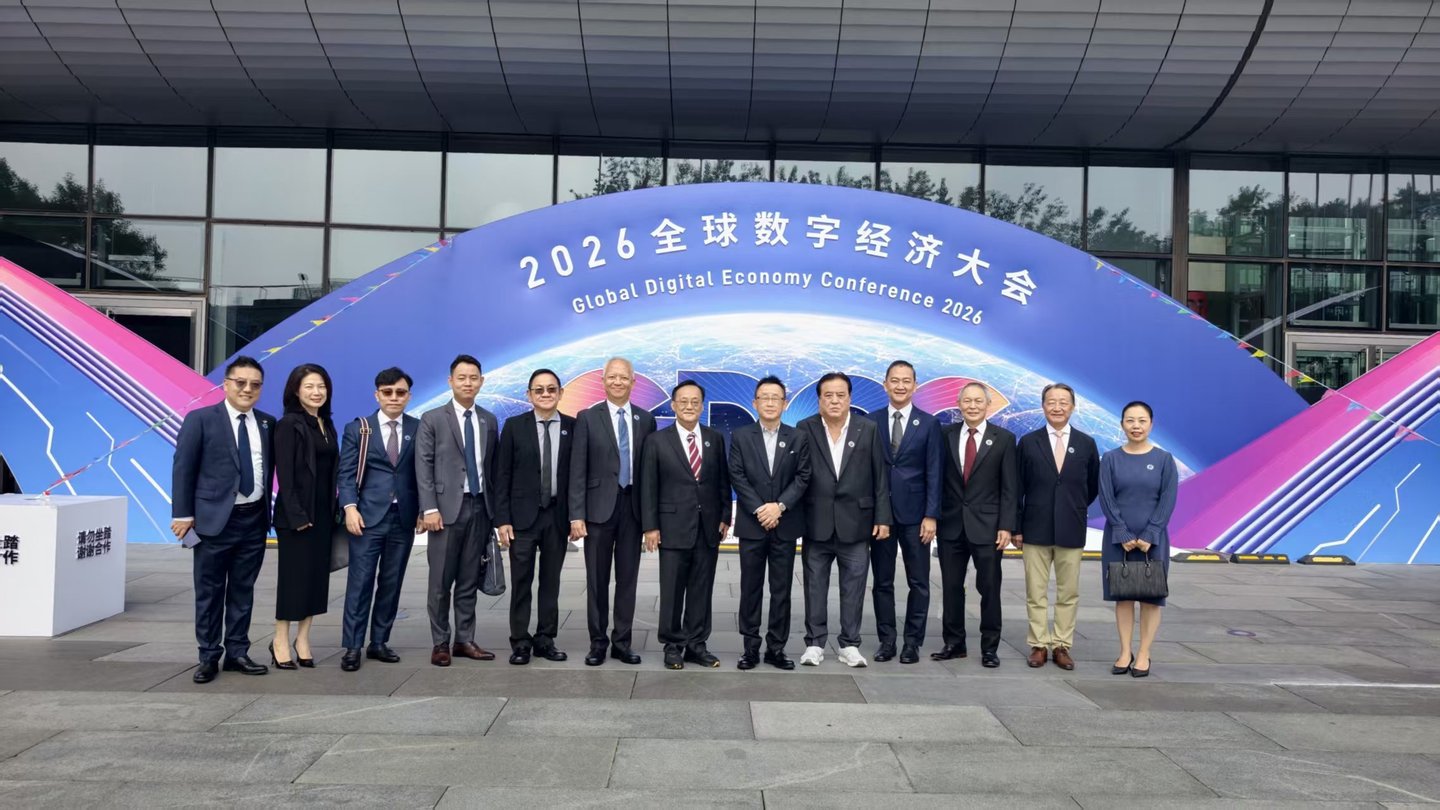
From July 1 to July 4, 2026, the Asia Academy of Digital Economics (AADE) successfully orchestrated its high-level Beijing Digital Economy Delegation. Bringing together elite delegates and business leaders, the intensive four-day itinerary served as a powerful conduit for cross-border collaboration, high-density strategic exchange, and firsthand technological immersion.
Bridging Tech Titans and Deep-Tech Ecosystems
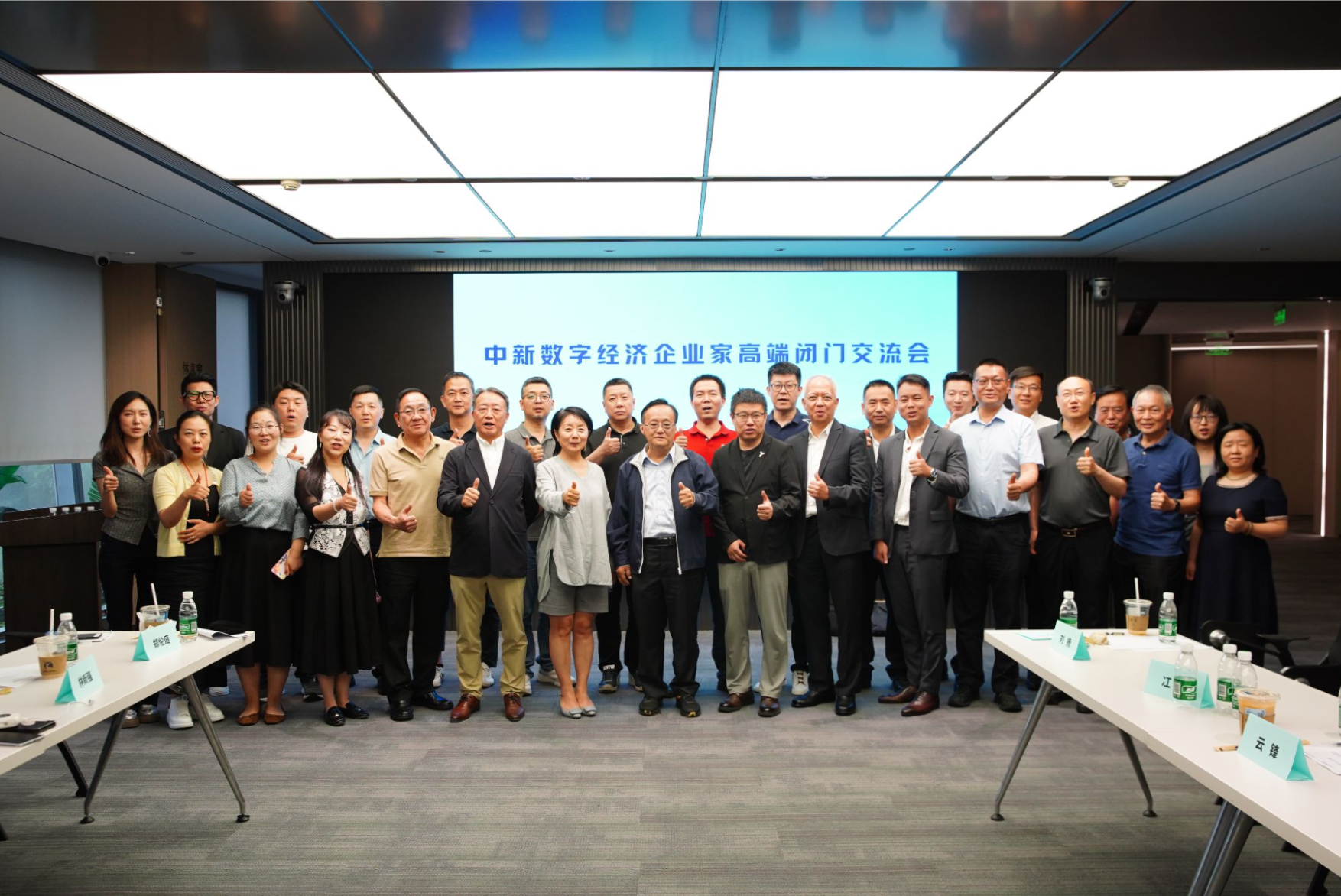
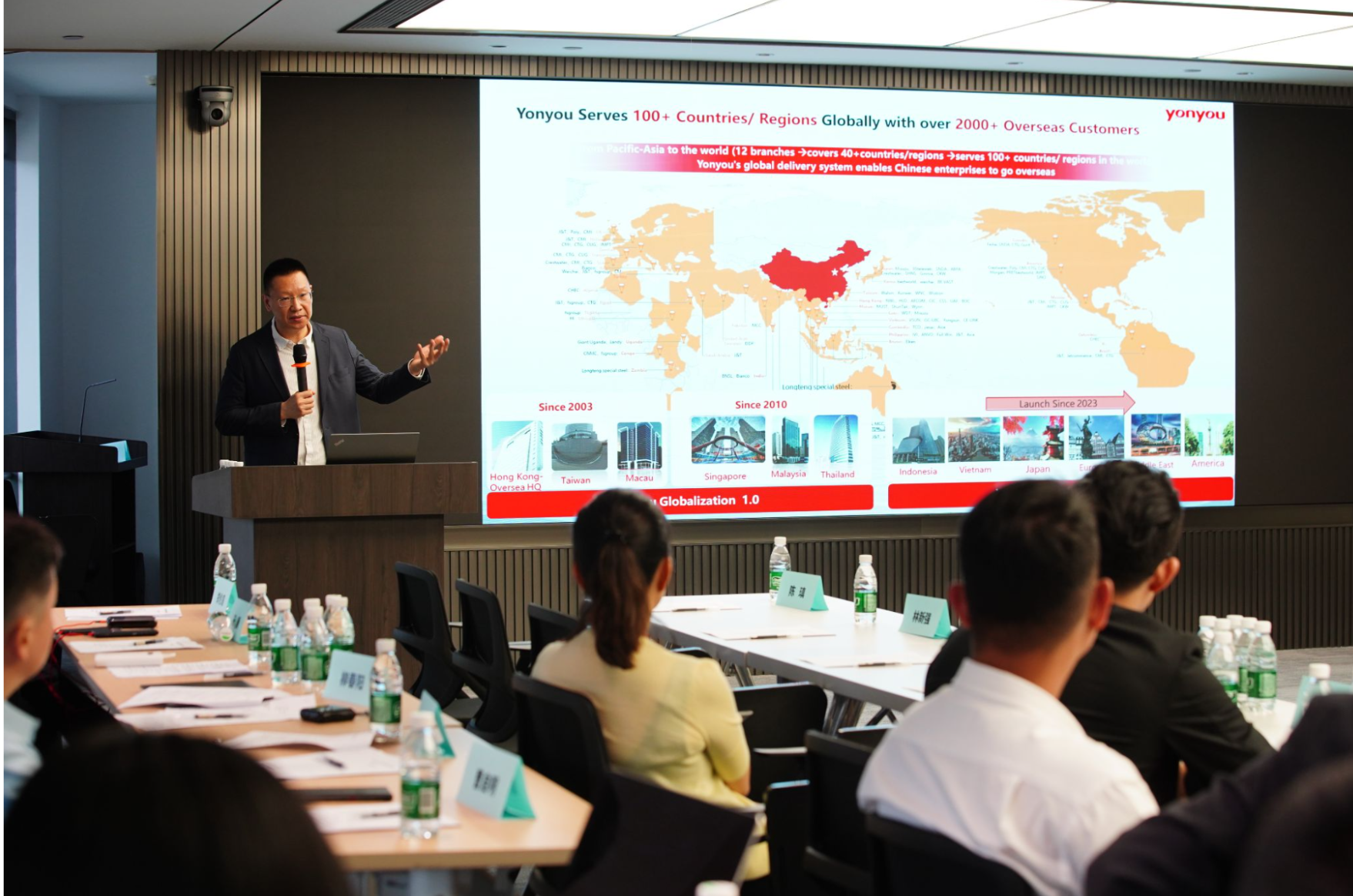
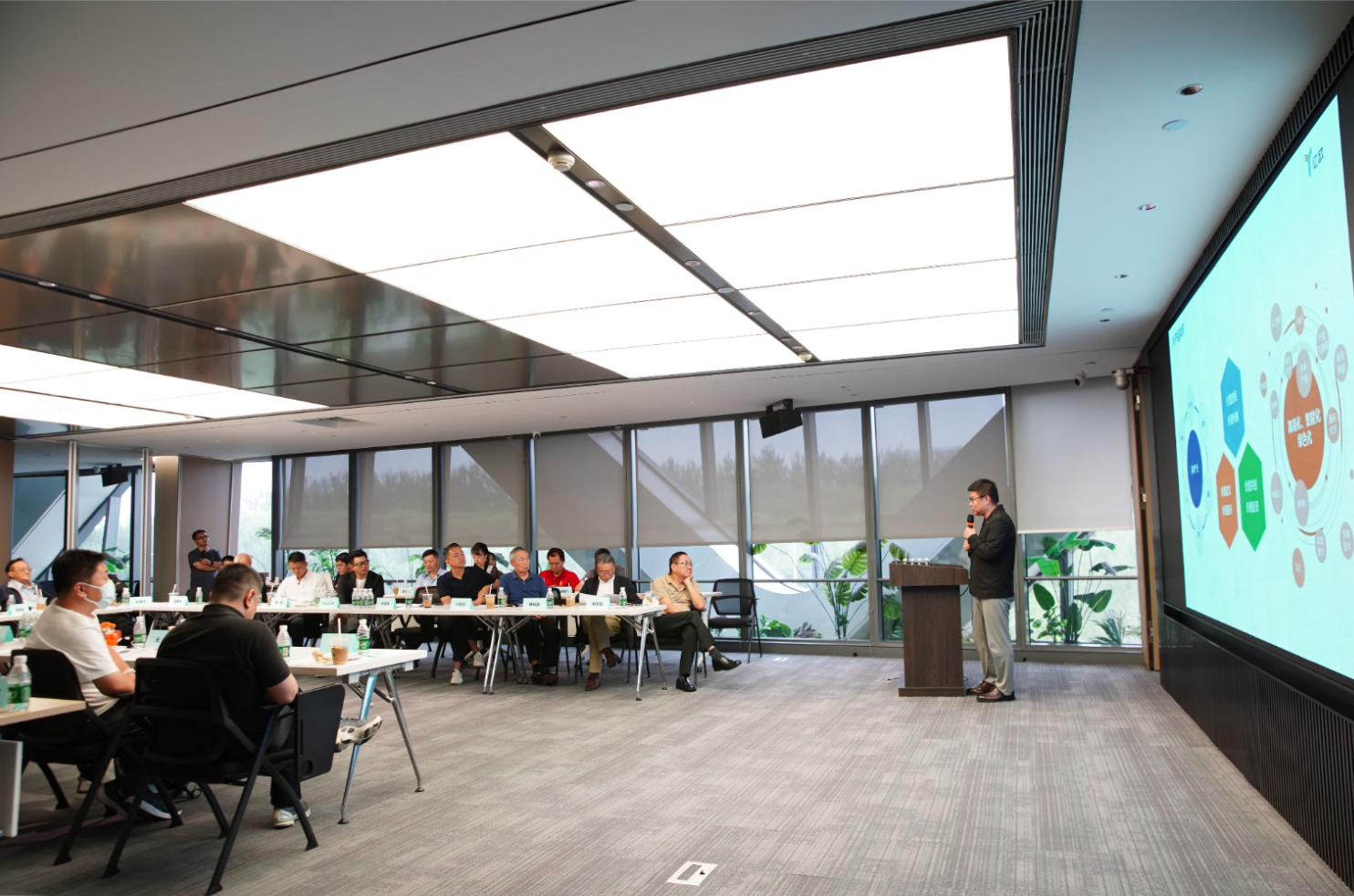
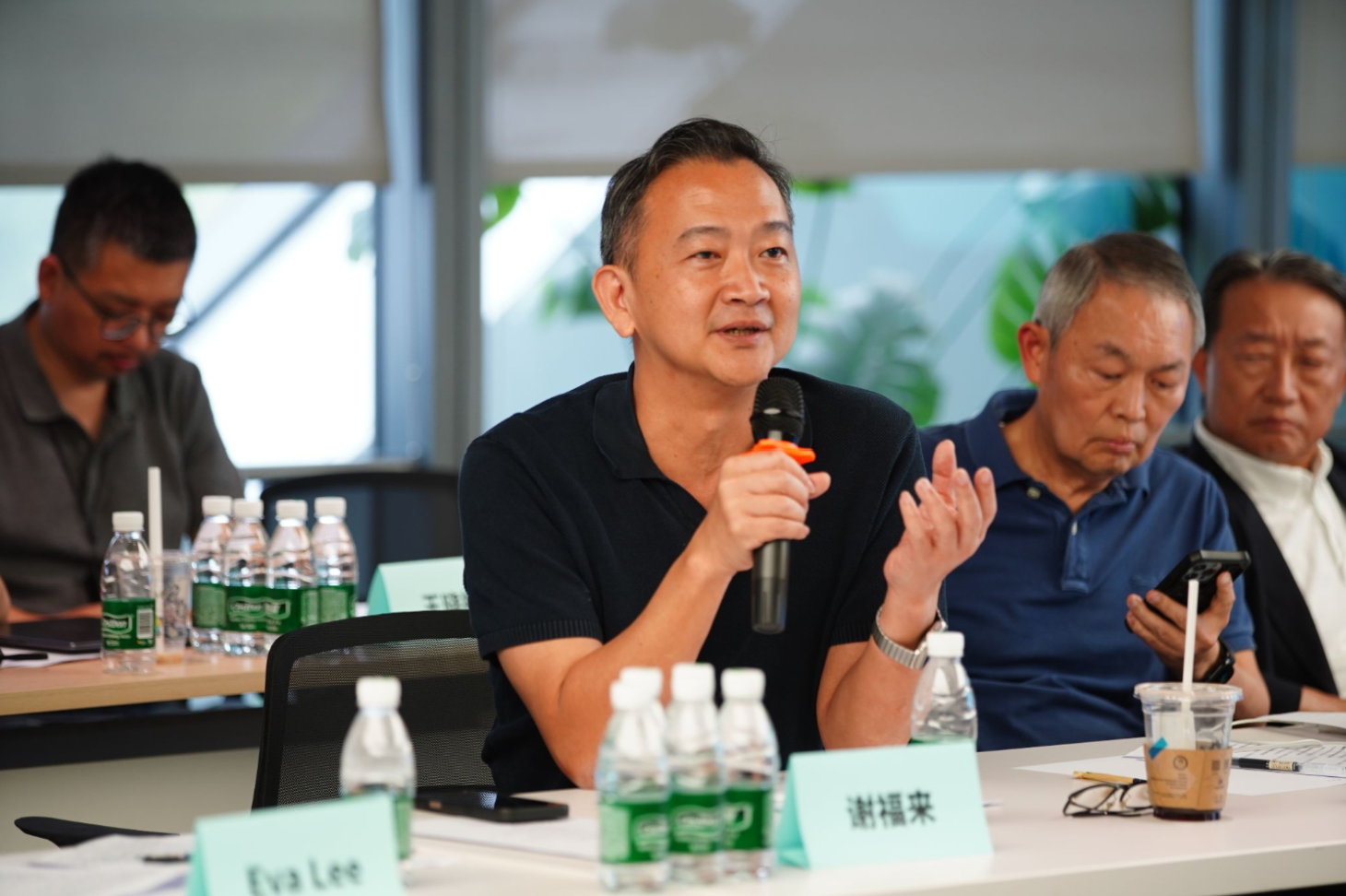
The delegation commenced with the Sino-Singapore Digital Economy Entrepreneurs High-Level Closed-Door Symposium in the heart of Beijing's tech hub. Moving past surface-level networking, the session facilitated direct, one-on-one strategic dialogues with senior executives from over 20 top-tier Chinese technology infrastructure providers, including Tencent Cloud, Alibaba Cloud, Volcengine (ByteDance), Yonyou, Seeyon, and United Imaging Healthcare. Six exclusive case studies decoded the international expansion playbooks of these digital benchmarks, confronting the real-world complexities of Asia-Pacific market entry, cross-border compliance, and artificial intelligence (AI) integration.
The delegation further explored the frontiers of enterprise AI by visiting two market disruptors:
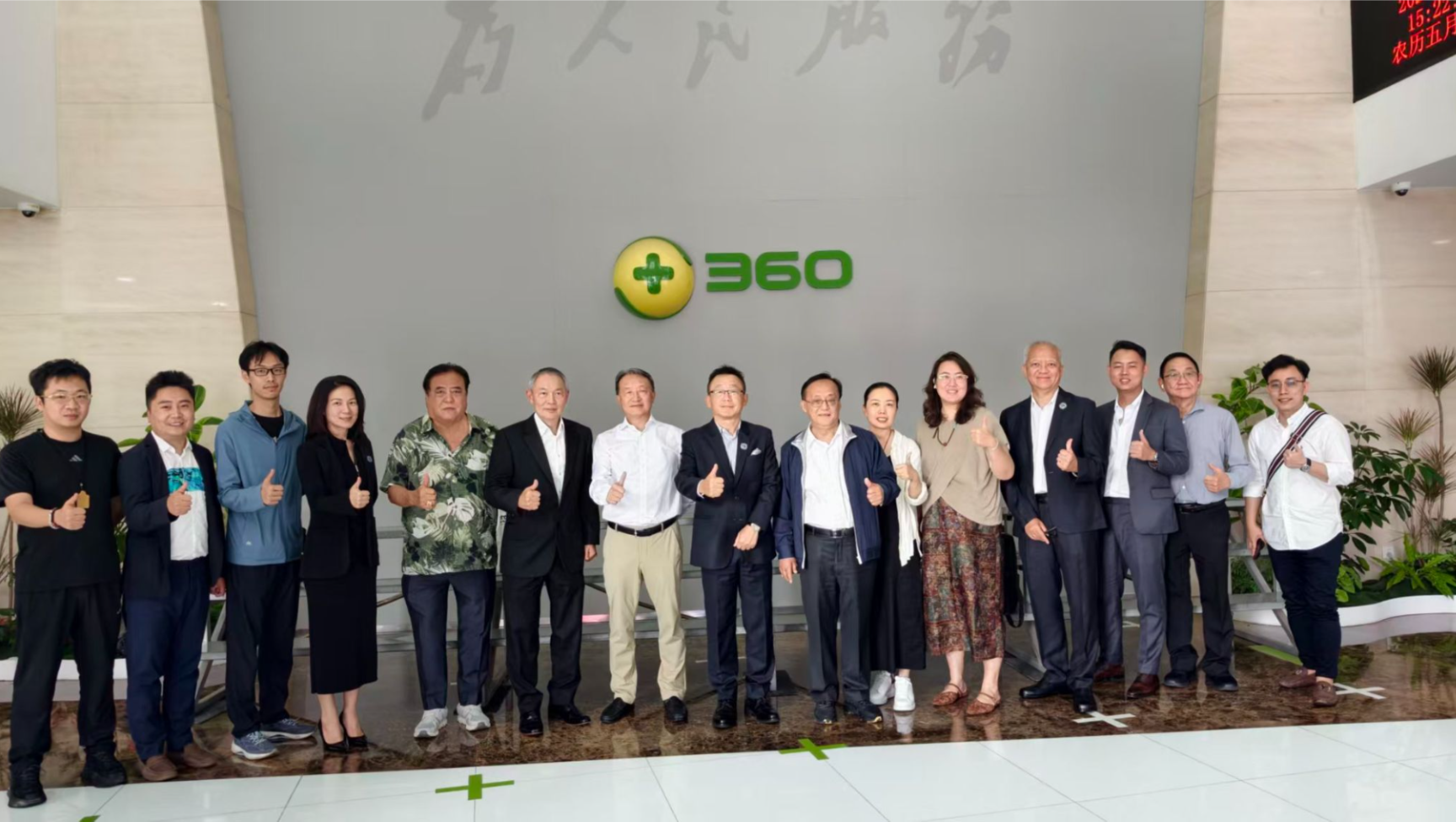
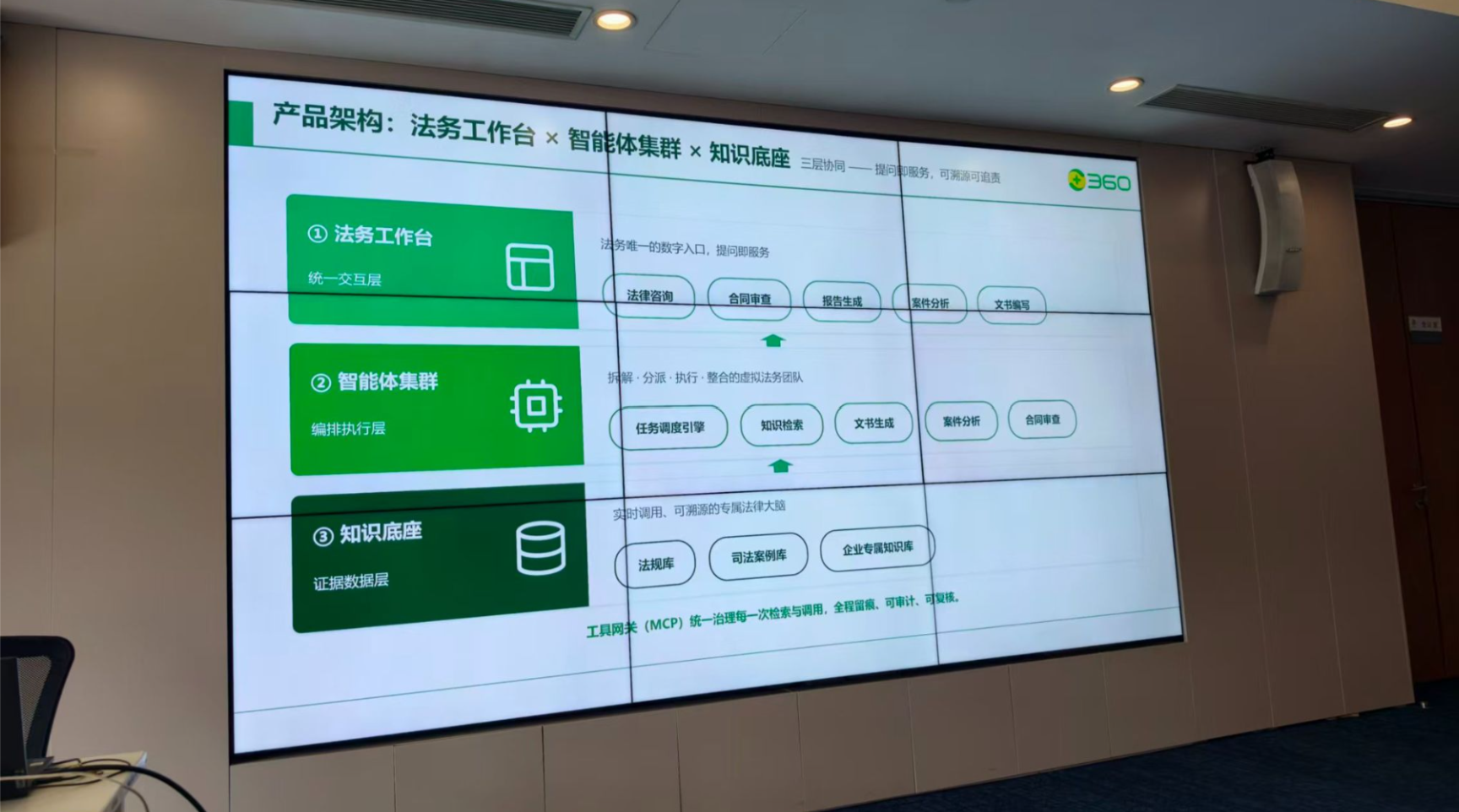
360 Group: The cybersecurity giant showcased its traceable and auditable intelligent case-handling platform designed for the legal and compliance sectors. By integrating a Legal Workbench, an Agent Cluster, and a verifiable Knowledge Base, 360 demonstrated how deep-rooted data security DNA can eliminate AI "hallucinations"—offering a vital blueprint for Singaporean C-suites requiring absolute auditability.
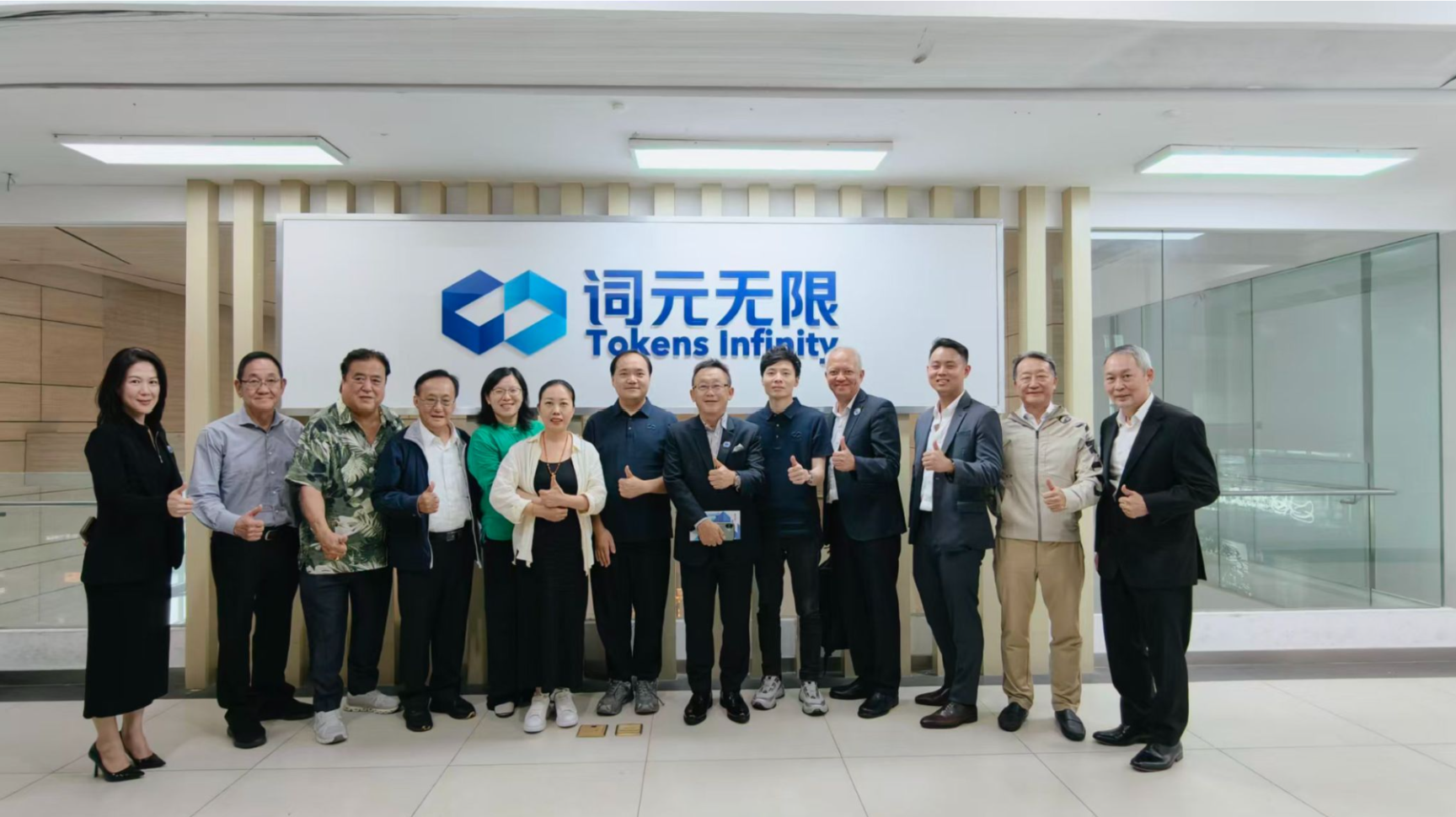
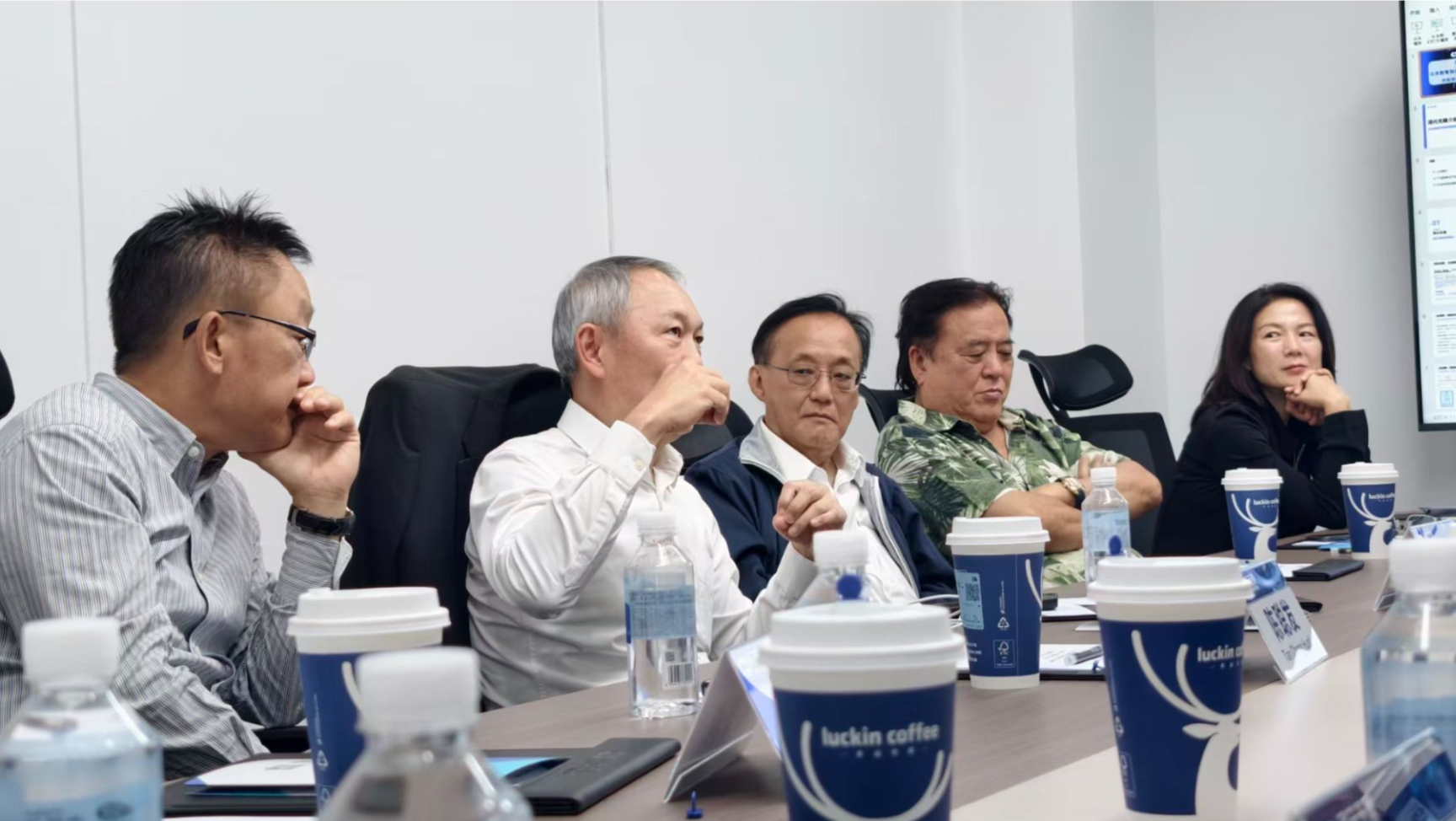
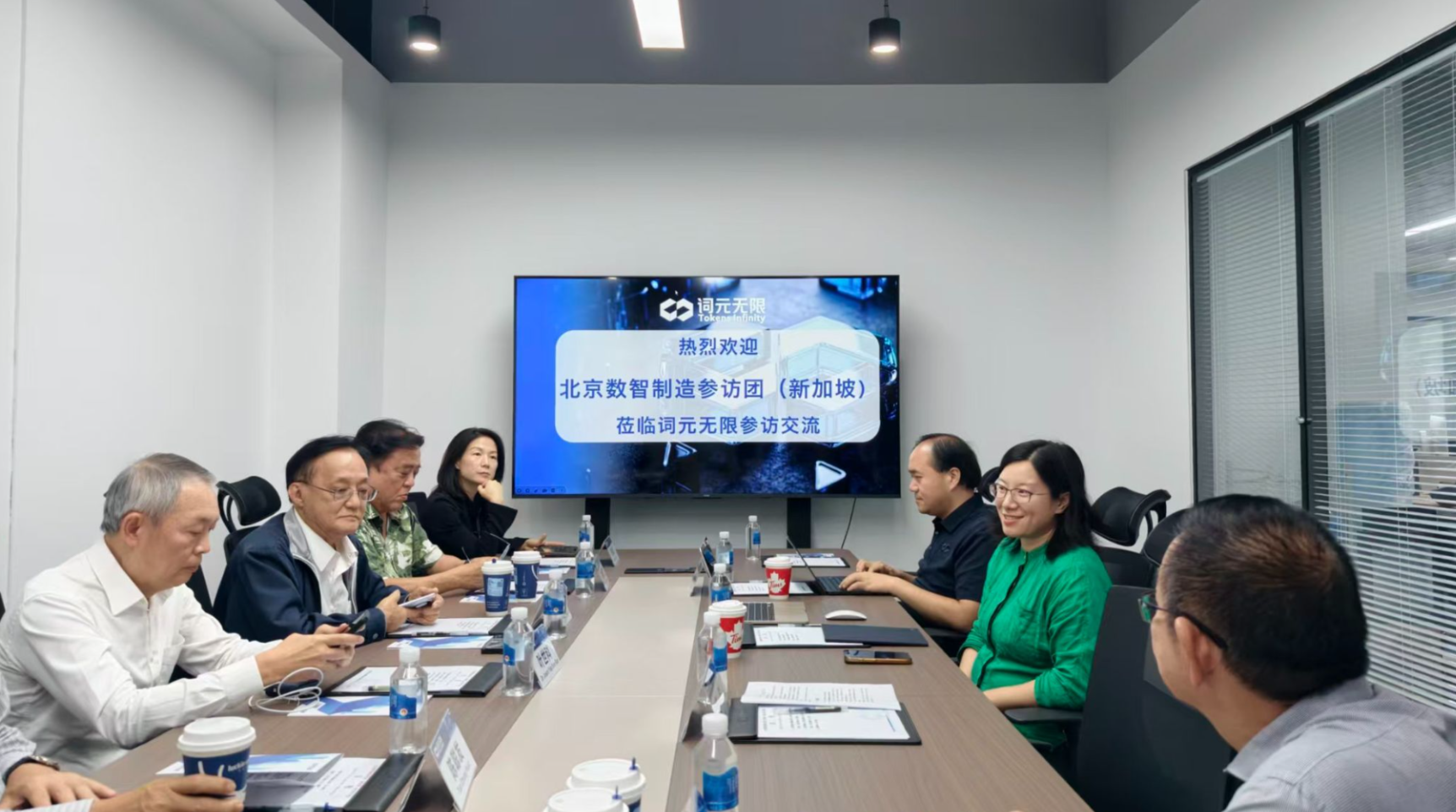
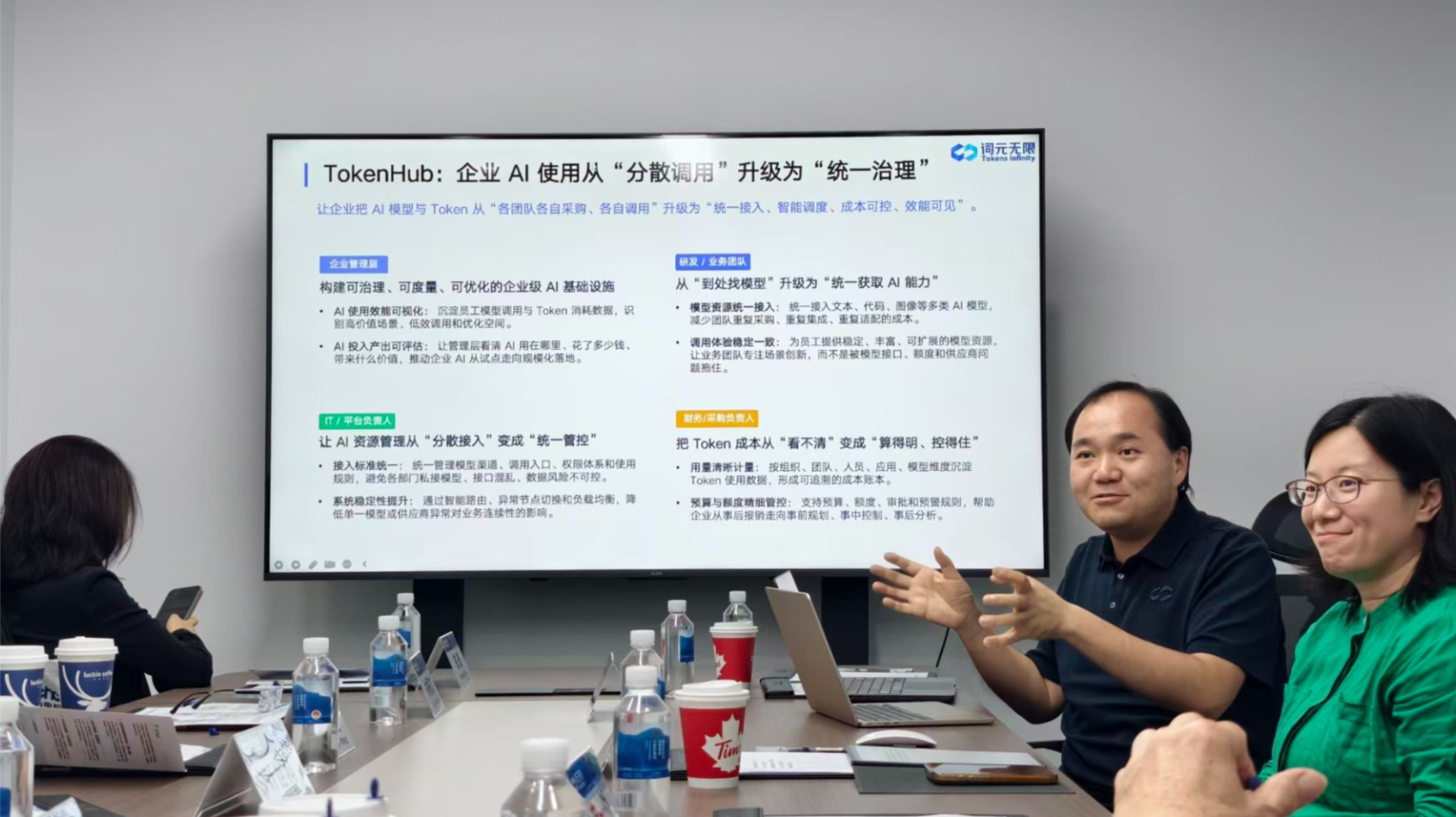
Tokens Infinity: Founded by Tsinghua University's elite "Yao Class" alumni and former ByteDance engineering leads, this rapid-growth startup demonstrated its TokenHub and InfCode platforms. Their infrastructure coordinates scattered AI agents into secure command centers, cutting software development time by nearly 40% while maintaining enterprise-grade risk control.
Deepening Insights at Global Digital Governance Frameworks
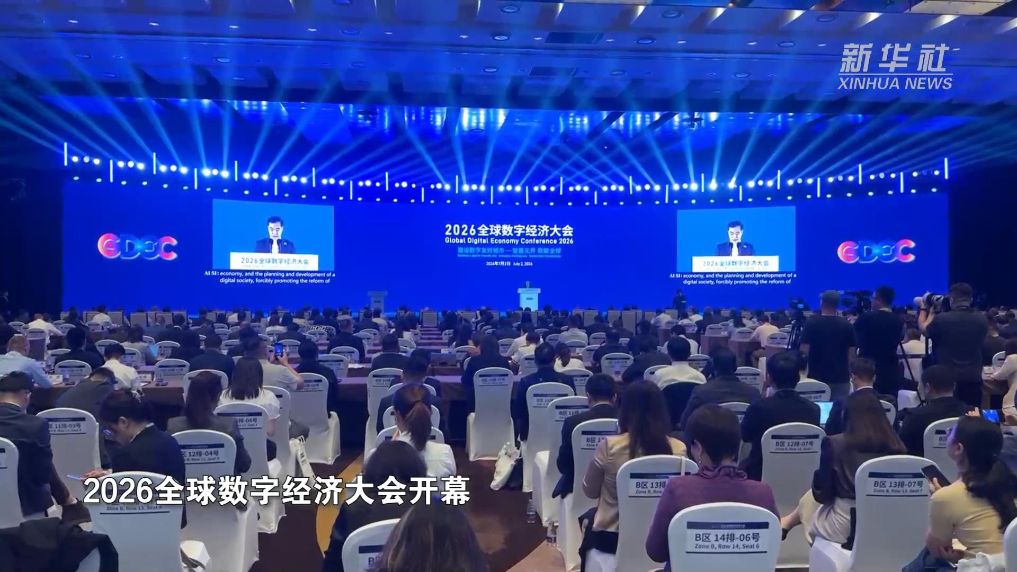
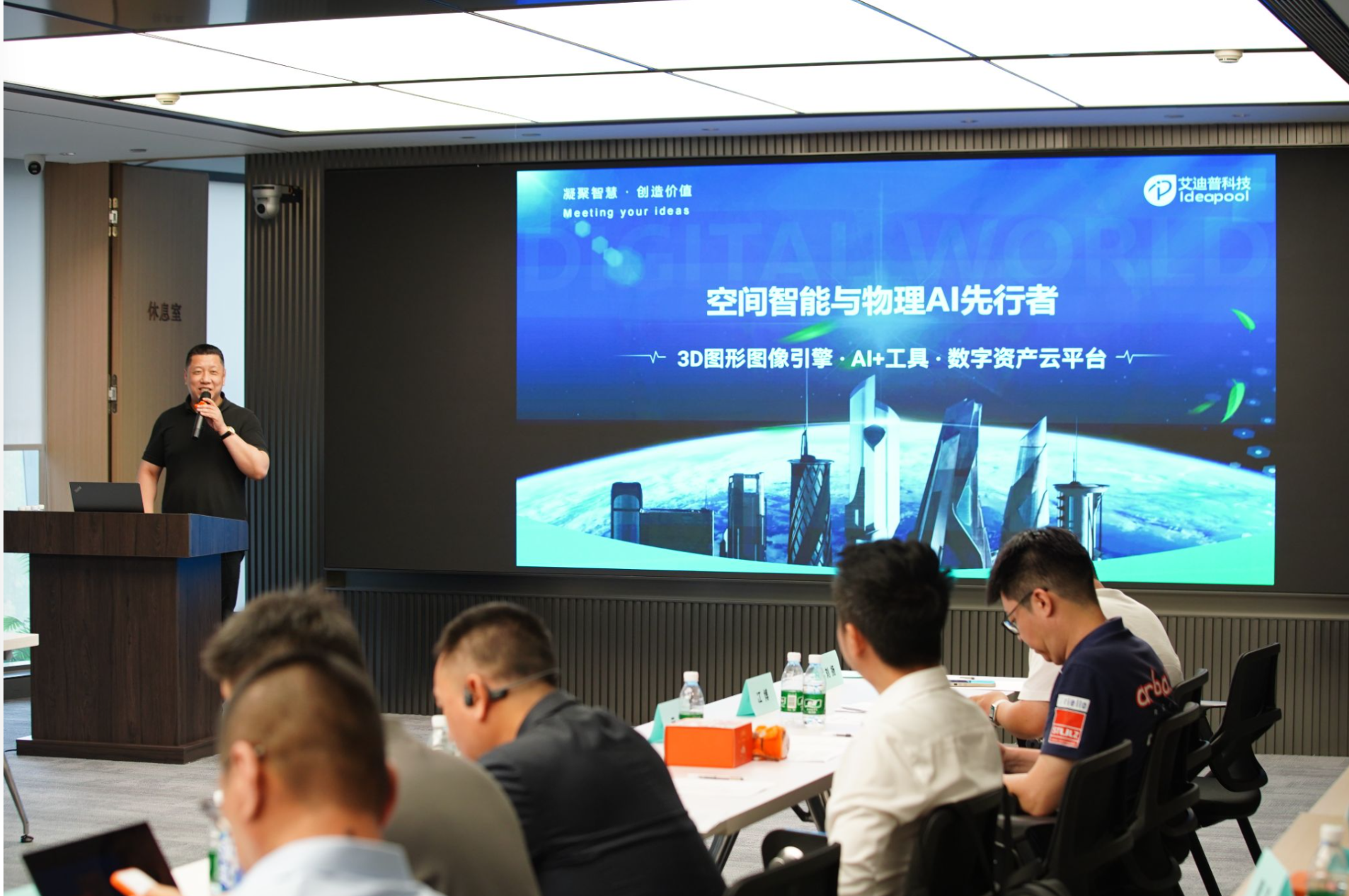
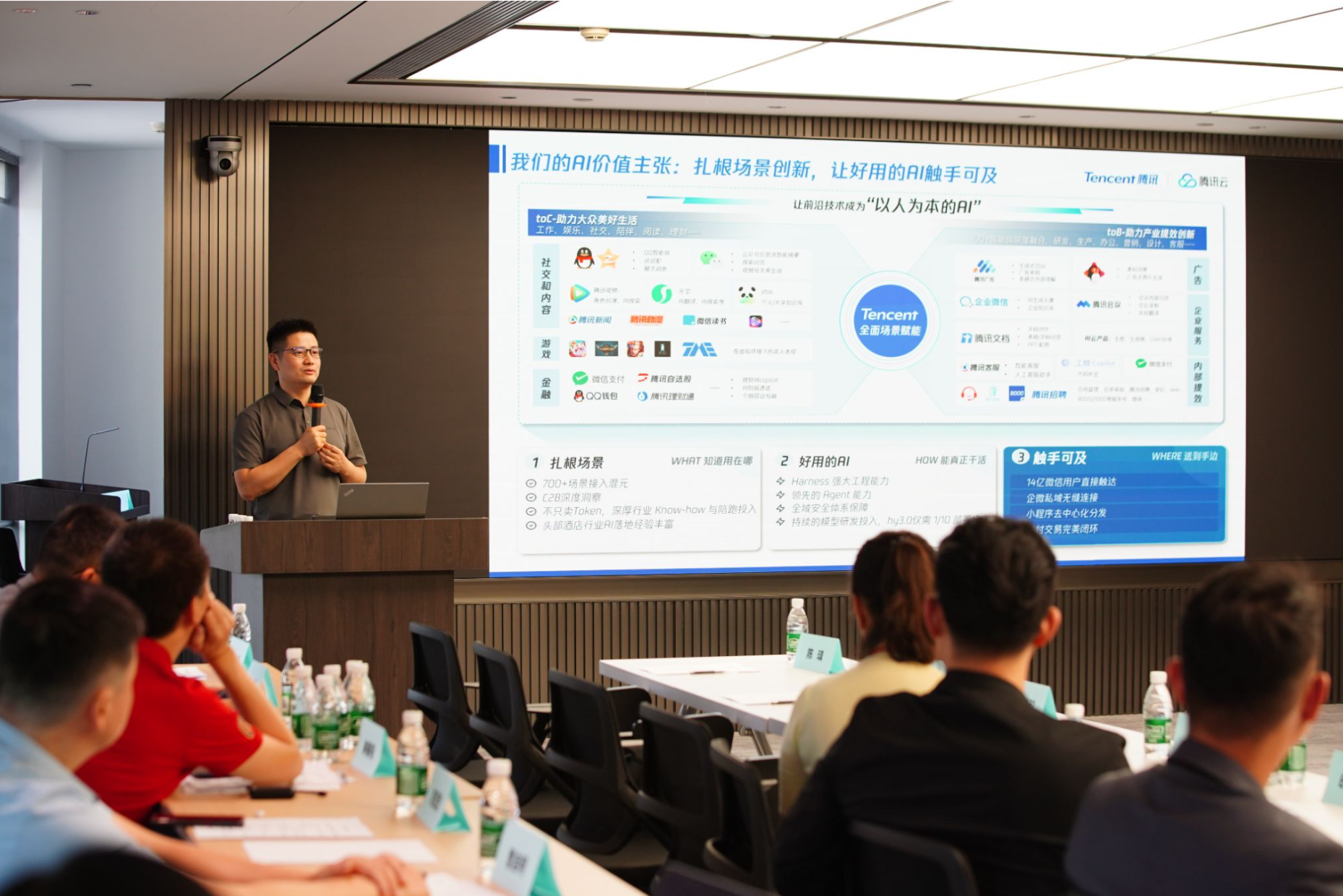
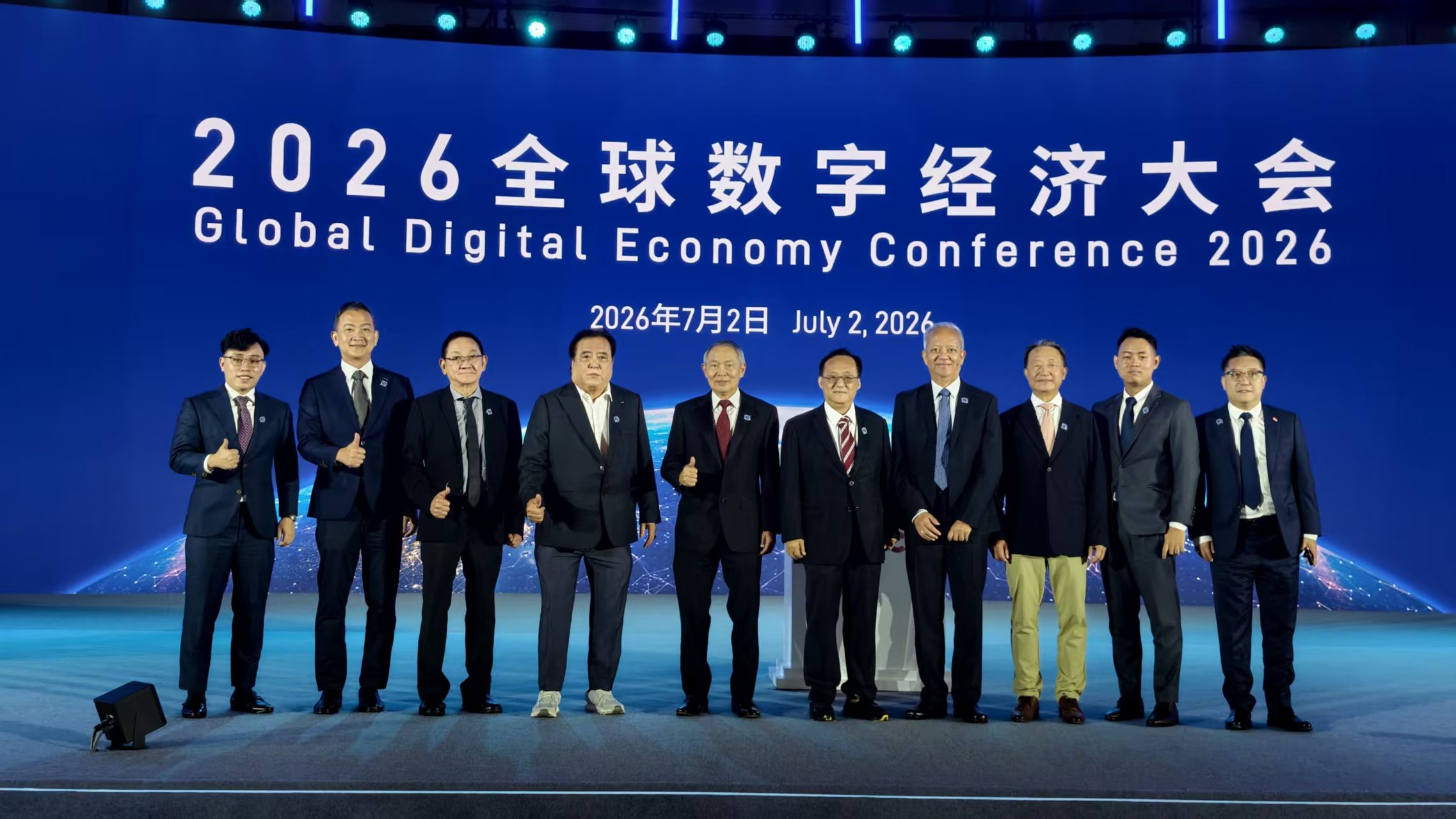
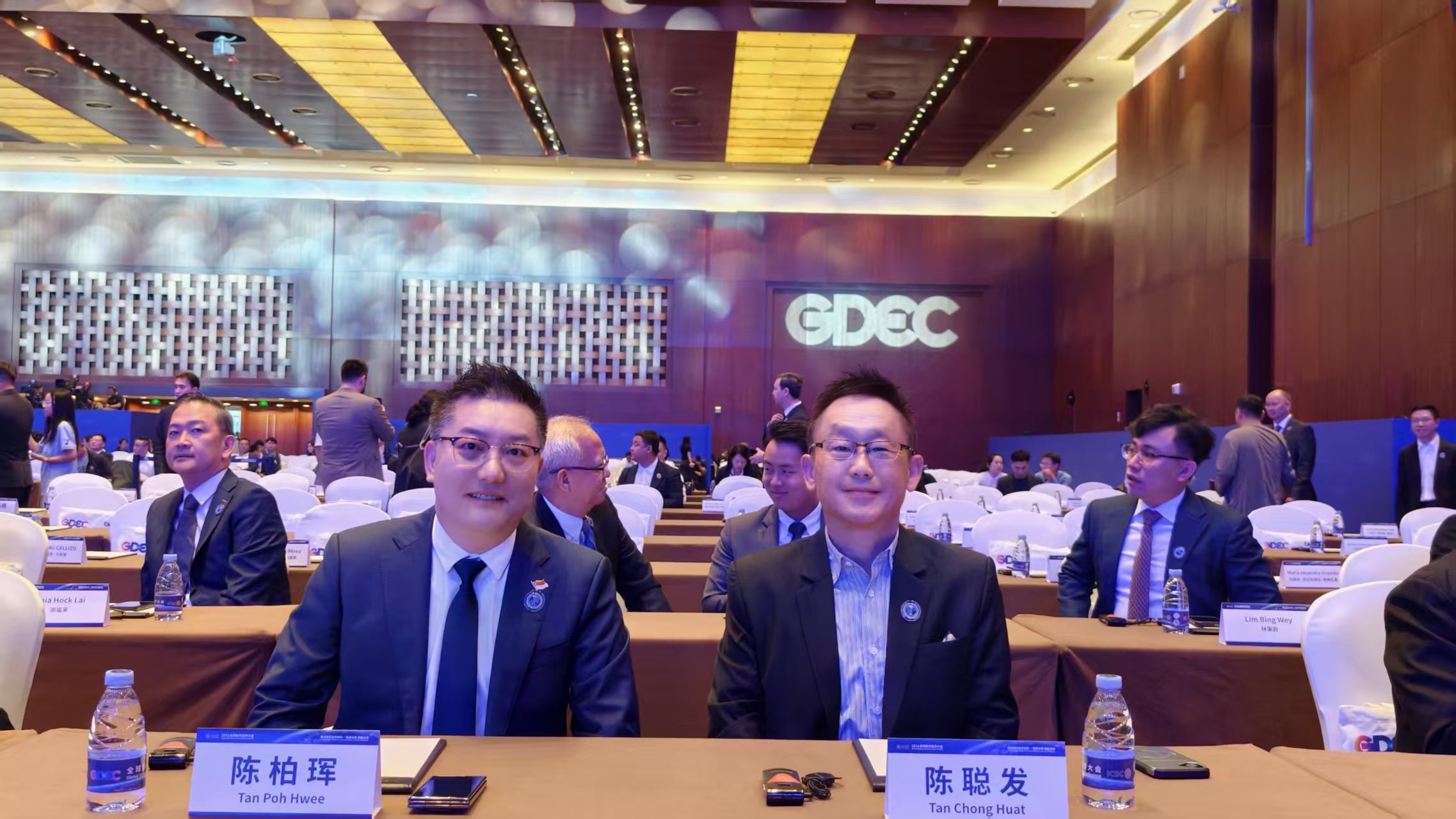
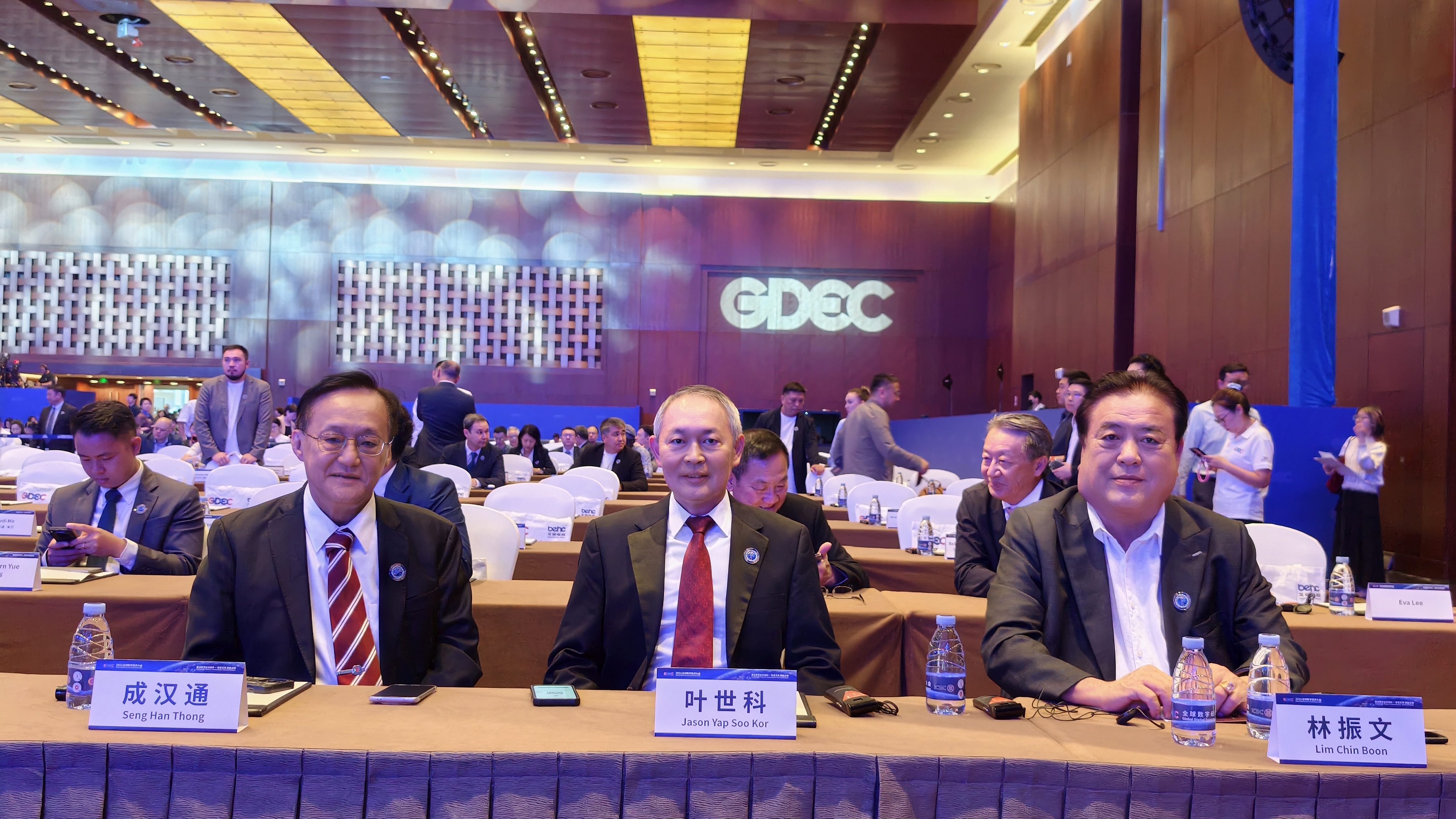
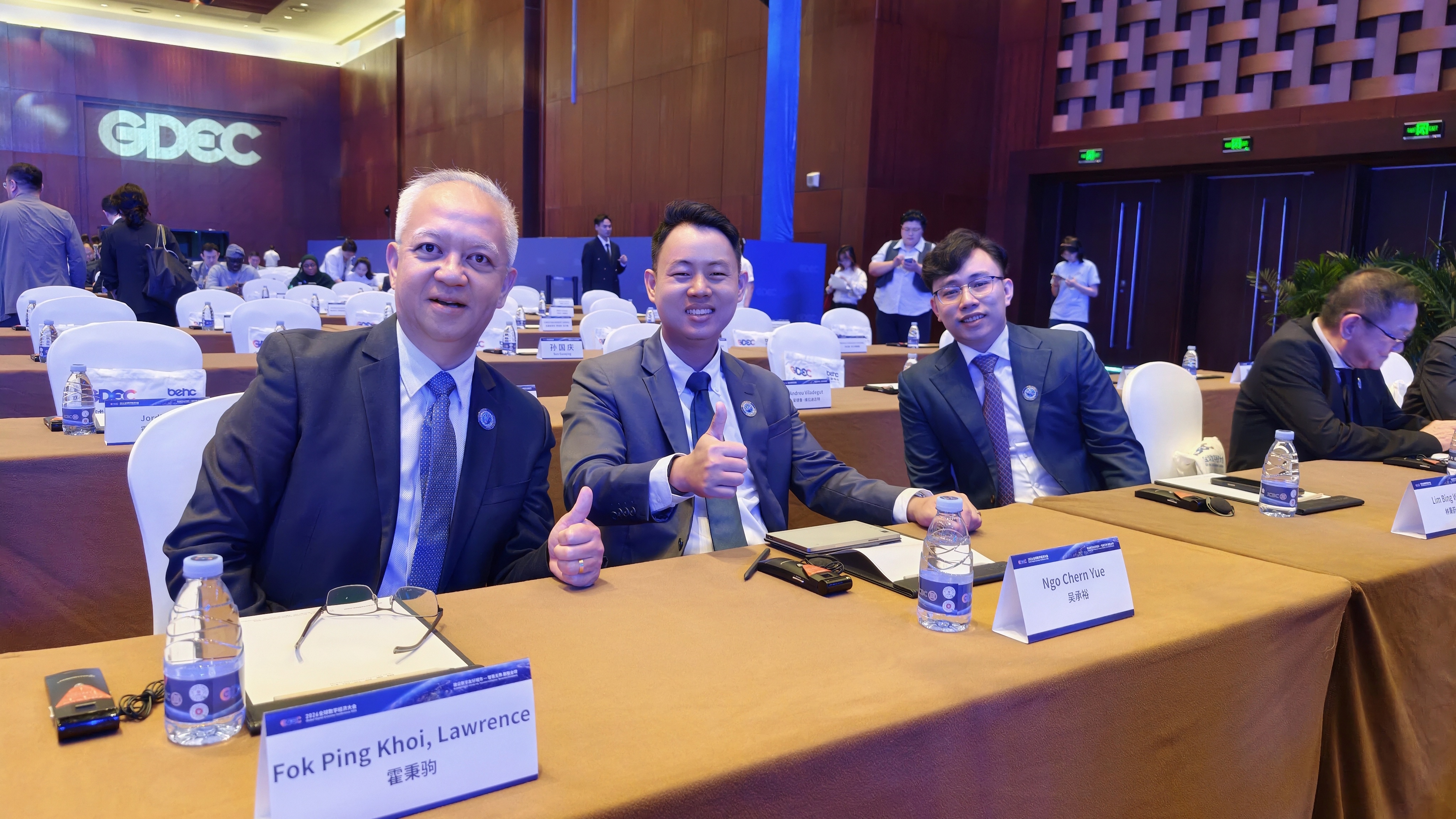
Delegates marked a prominent attendance at the opening ceremony and leading-edge innovation showcases of the Global Digital Economy Conference (GDEC) at the China National Convention Center. Co-hosted by the Beijing Municipal Government, the Cyberspace Administration of China, and the United Nations Development Programme (UNDP), GDEC represents a massive global gathering. The cohort navigated 11,000 square meters of exhibition space, receiving guided briefings from pioneers like Ideapool on spatial intelligence and Tencent Cloud on their comprehensive "AI for people" infrastructure.
Aligning Policy and Macro Strategy
To successfully bridge ecosystems, technical capability must align with macroeconomic and legal frameworks. The delegation addressed this through two high-level educational landmarks:
The Macroeconomic Briefing at Siguan Academy
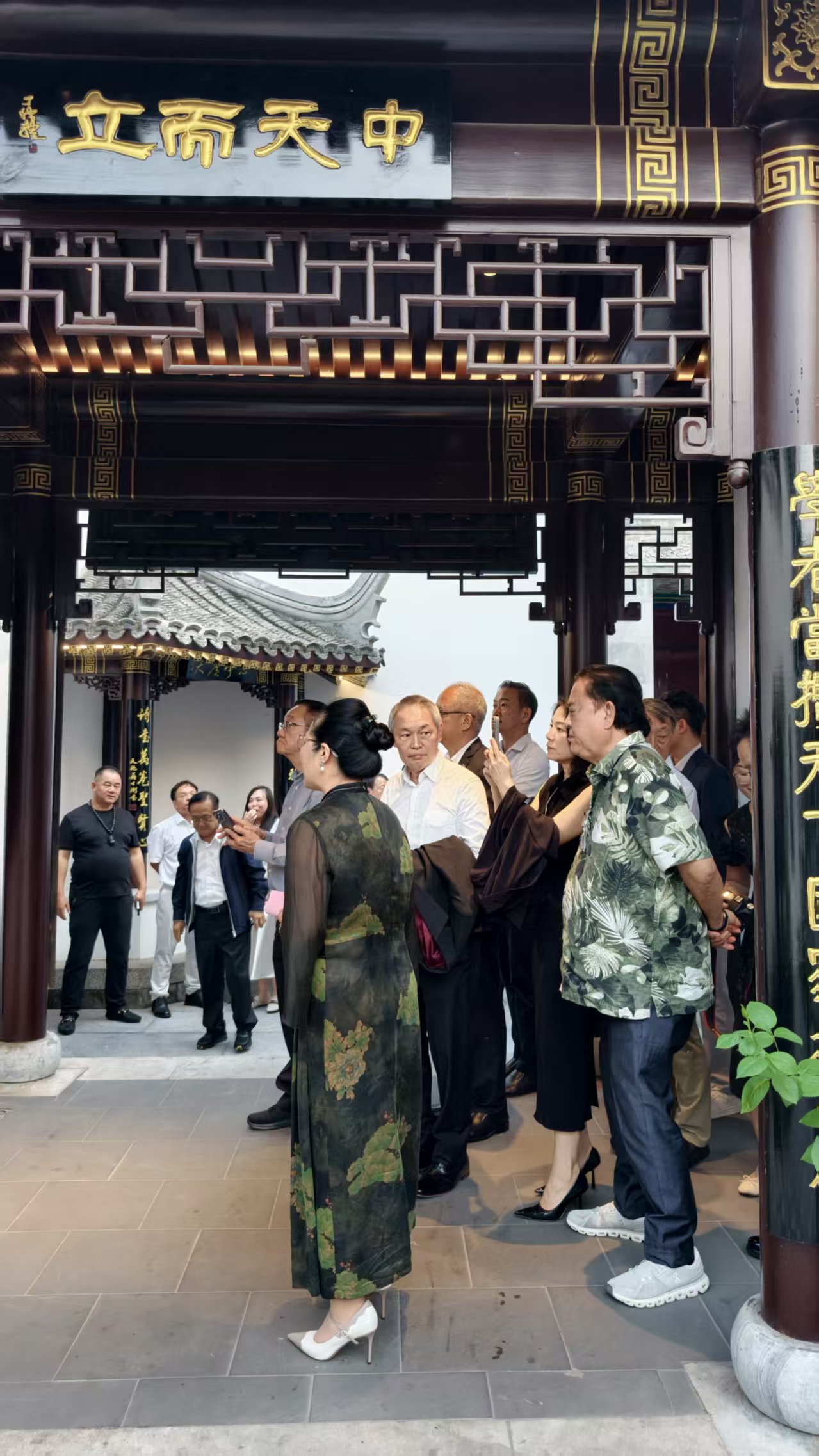
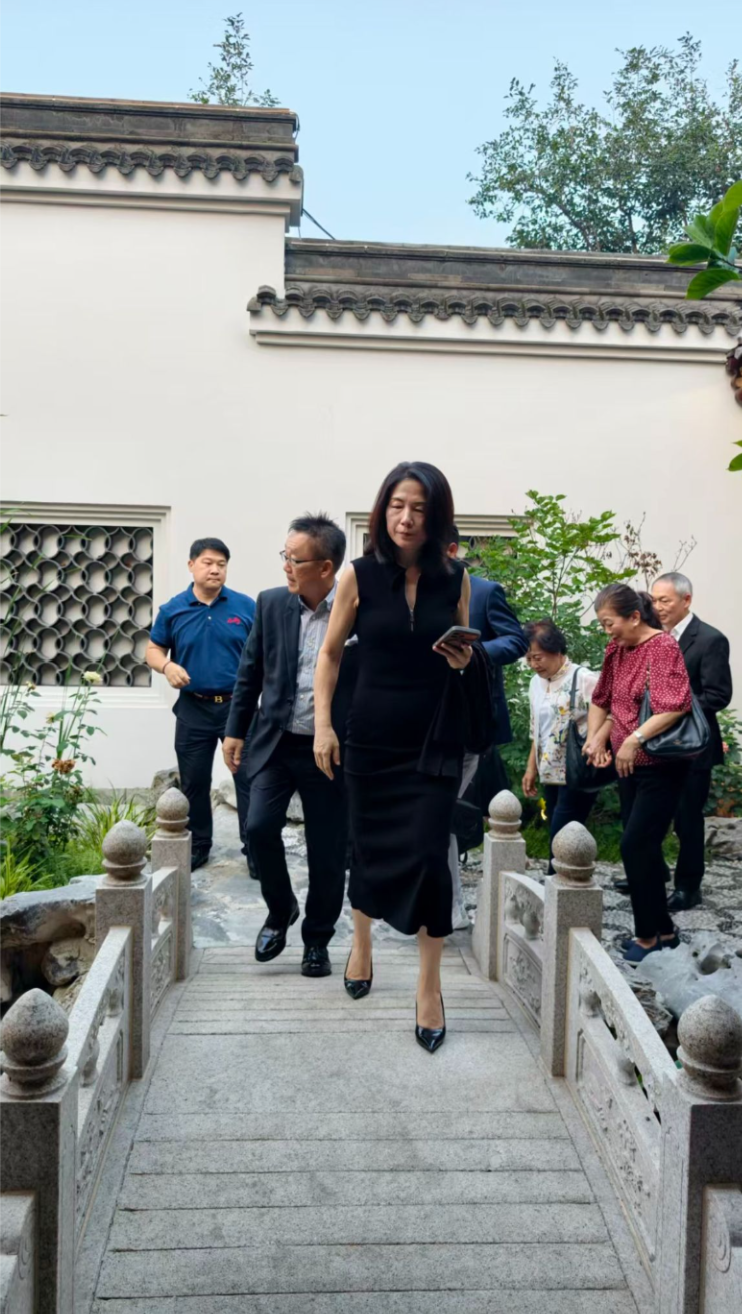
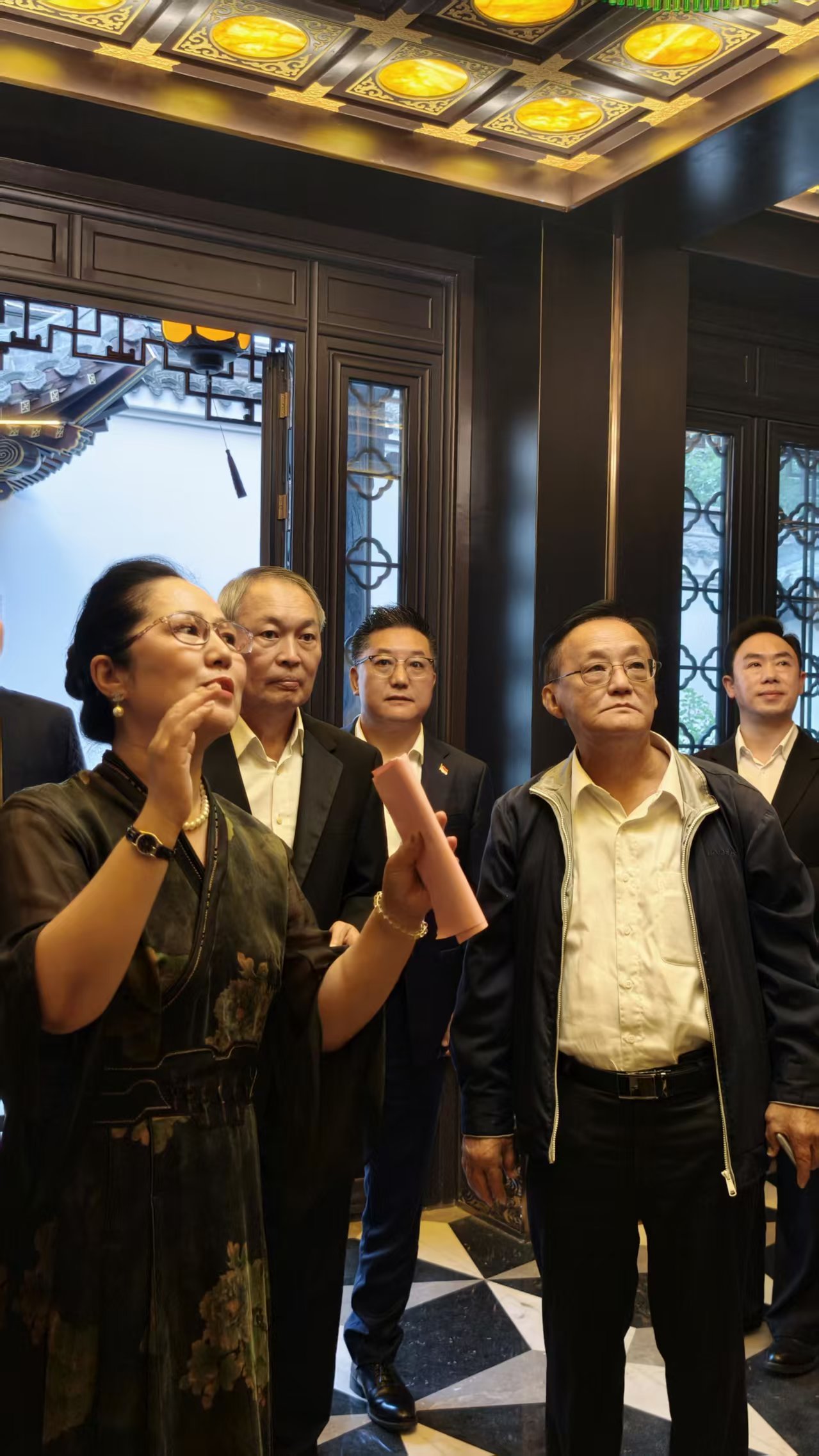
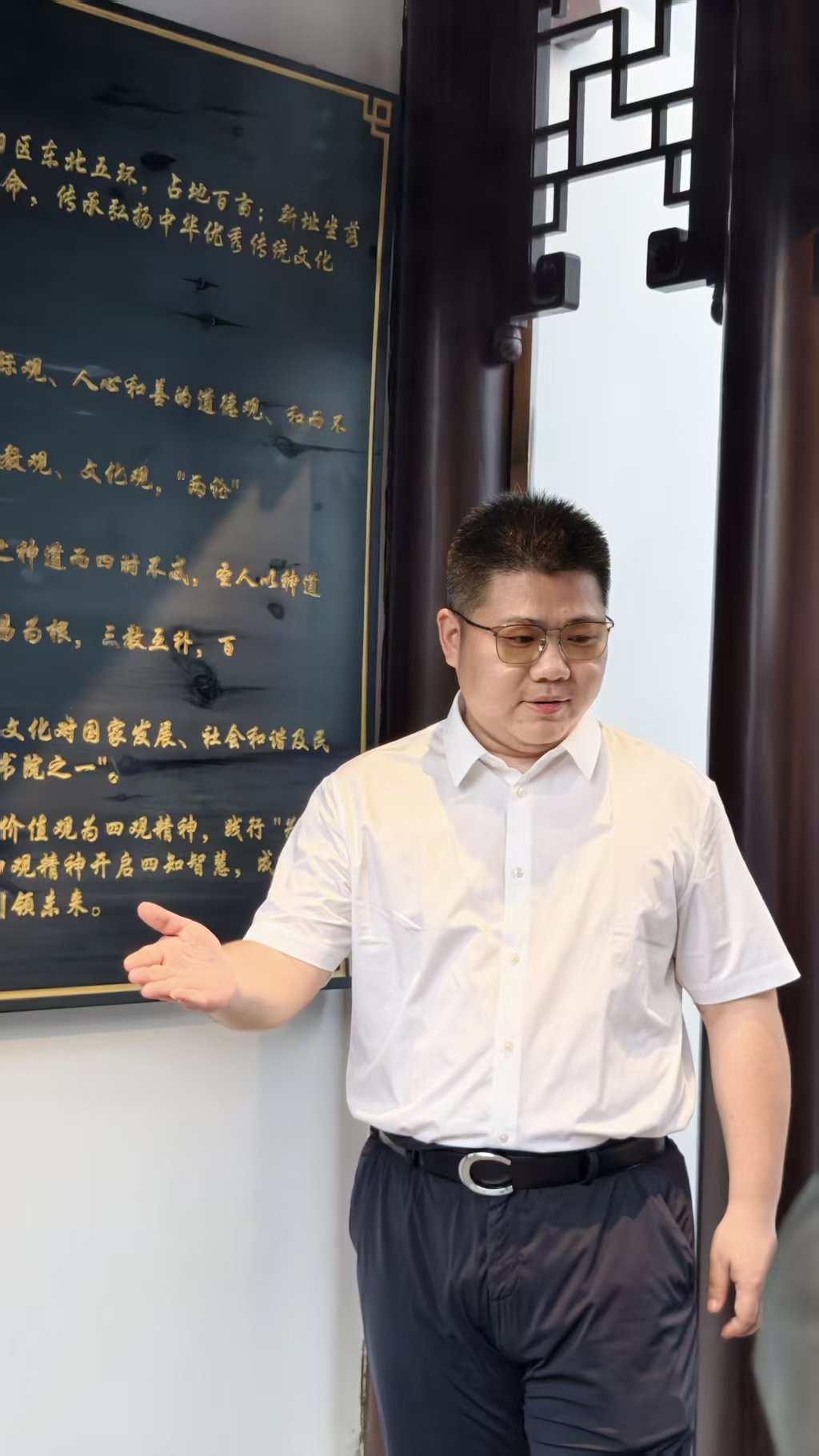
Set within a meticulously preserved Qing Dynasty courtyard once belonging to the cousin of China's final emperor, the evening fused cultural heritage with elite strategy. Cultural scholar Chairman Liao Binyu hosted an intimate tea gathering, which transitioned into an exclusive macroeconomic masterclass led by a senior expert from the State-Owned Assets Supervision and Administration Commission (SASAC). Delegates gained vital intelligence on China's upcoming 15th Five-Year Plan, decoding future industrial priorities, data compliance roadmaps, and next-generation market opening strategies.


The Tsinghua University Law School Symposium
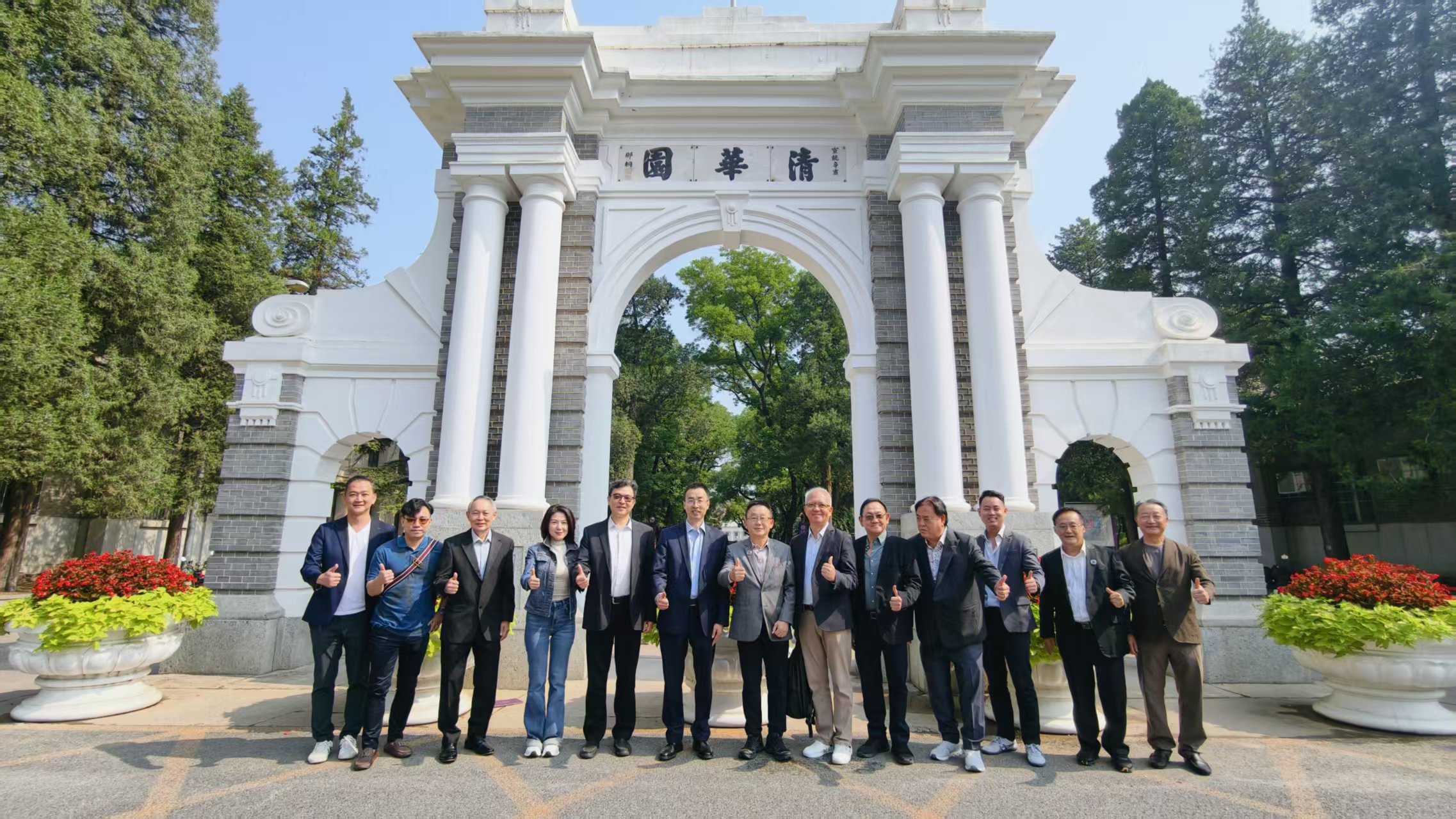
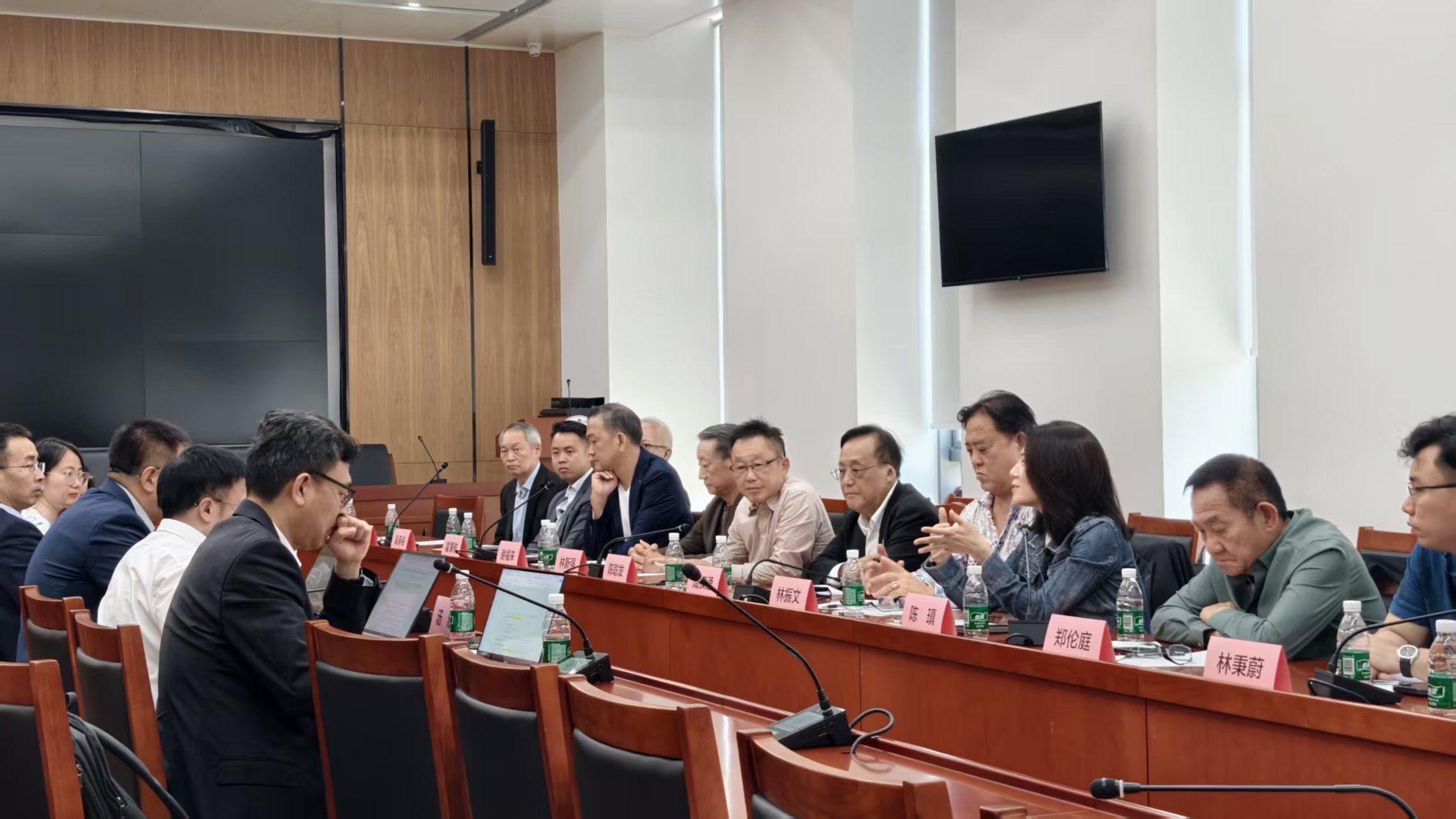
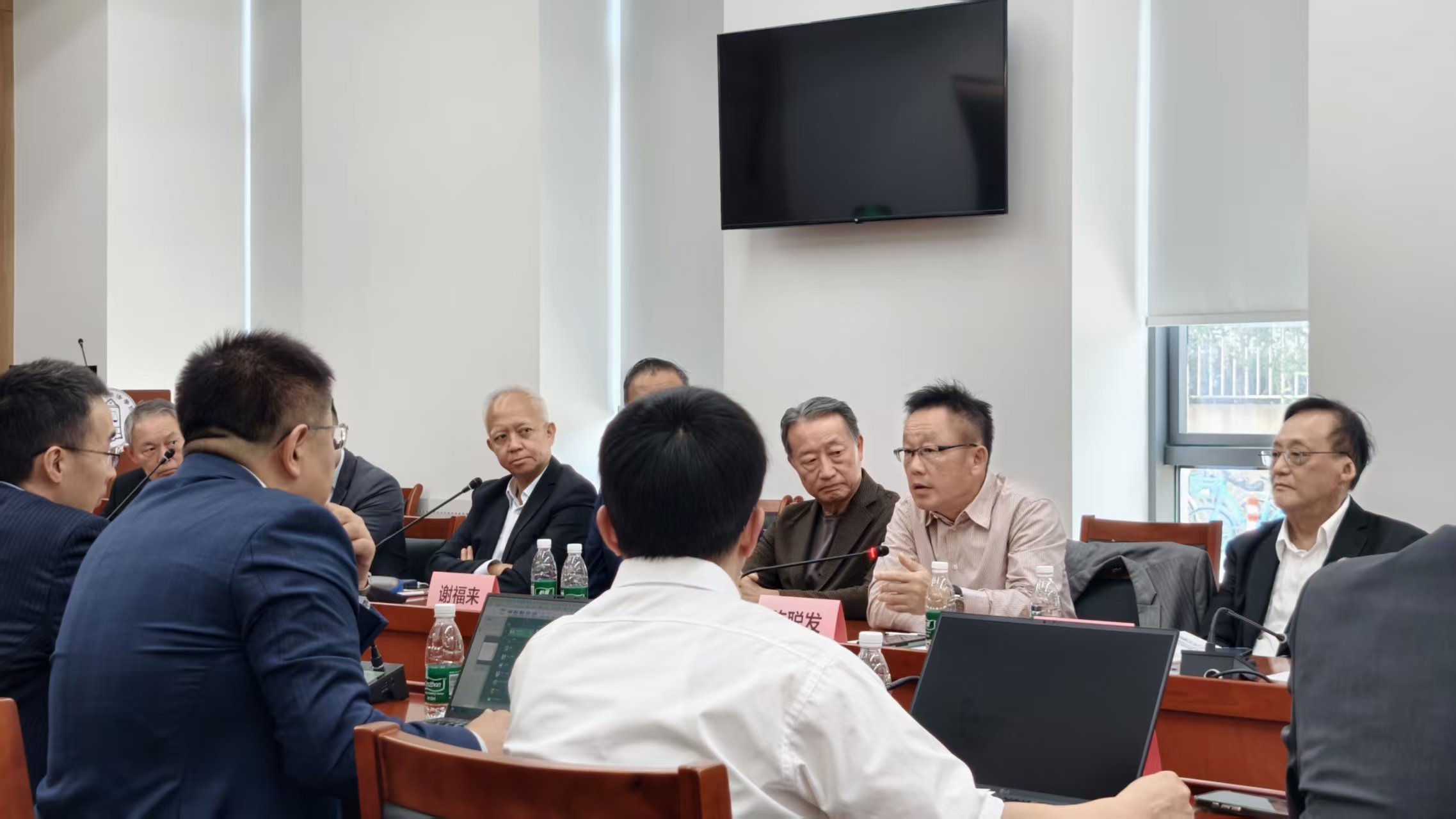
Inside the Tsinghua Law Library, the delegation engaged in a three-hour closed-door policy dialogue with the Dean of Tsinghua Law School. The academic exchange focused directly on the digital economy implications of China's 15th Five-Year Strategic Roadmap. The conversation demystified the precise challenges keeping multinational compliance teams awake, specifically cross-border data flows, mutual recognition of intellectual property rights, and institutional market opening for foreign entities.
Experiencing Next-Generation Advanced Manufacturing
The final leg of the delegation focused on the physical execution of China's digital economy within the Yizhuang development zone, translating advanced software into physical automation:
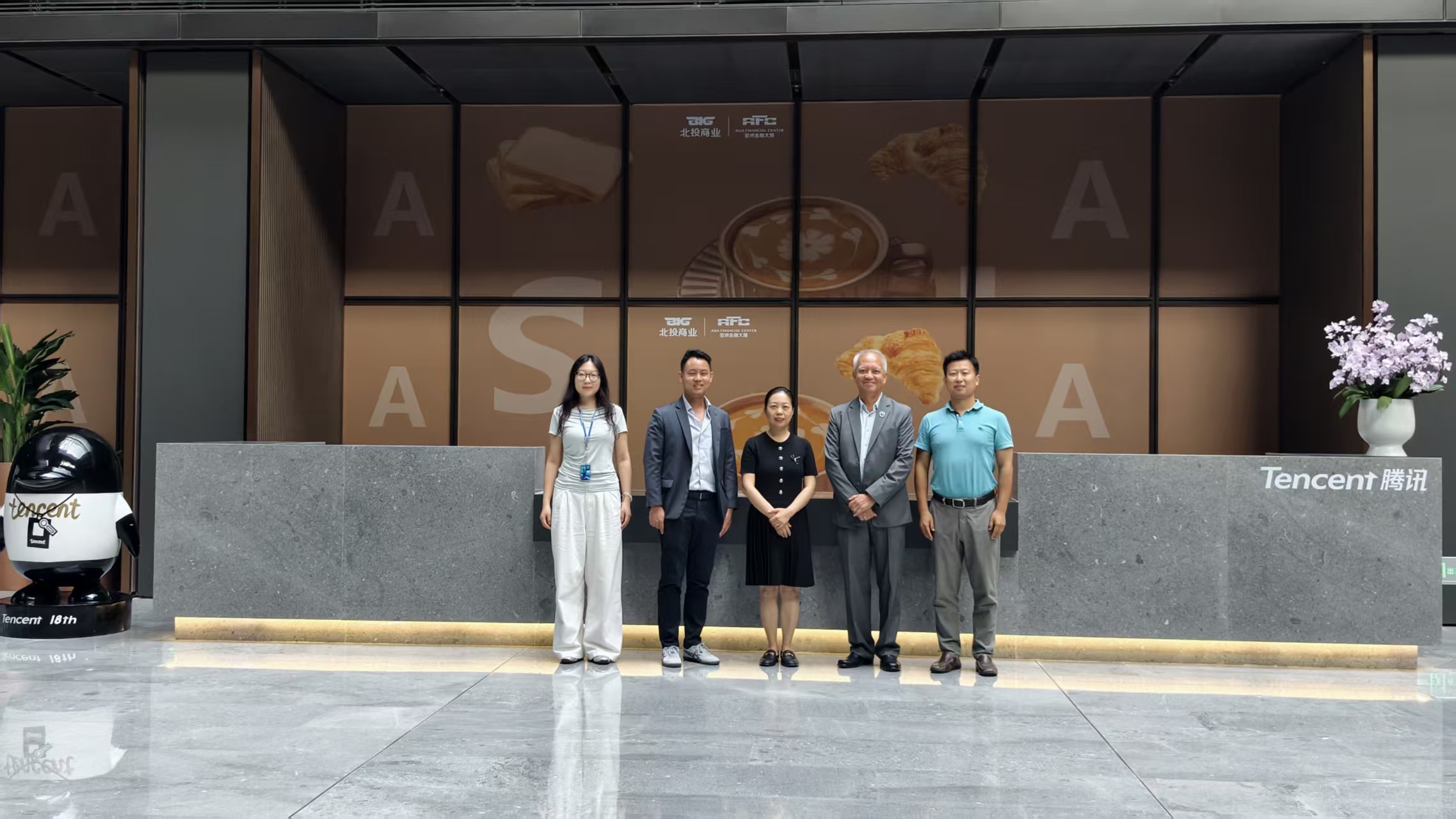
Tencent WorkBuddy: Delegates received a hands-on walkthrough of China's fastest-growing desktop AI agent workspace. Powered by the Hunyuan 3.0 Preview model—which leads OpenRouter's global API distribution rankings—WorkBuddy embeds directly into WeChat Work as a 24/7 digital employee, managing complex enterprise deliverables from natural language prompts.
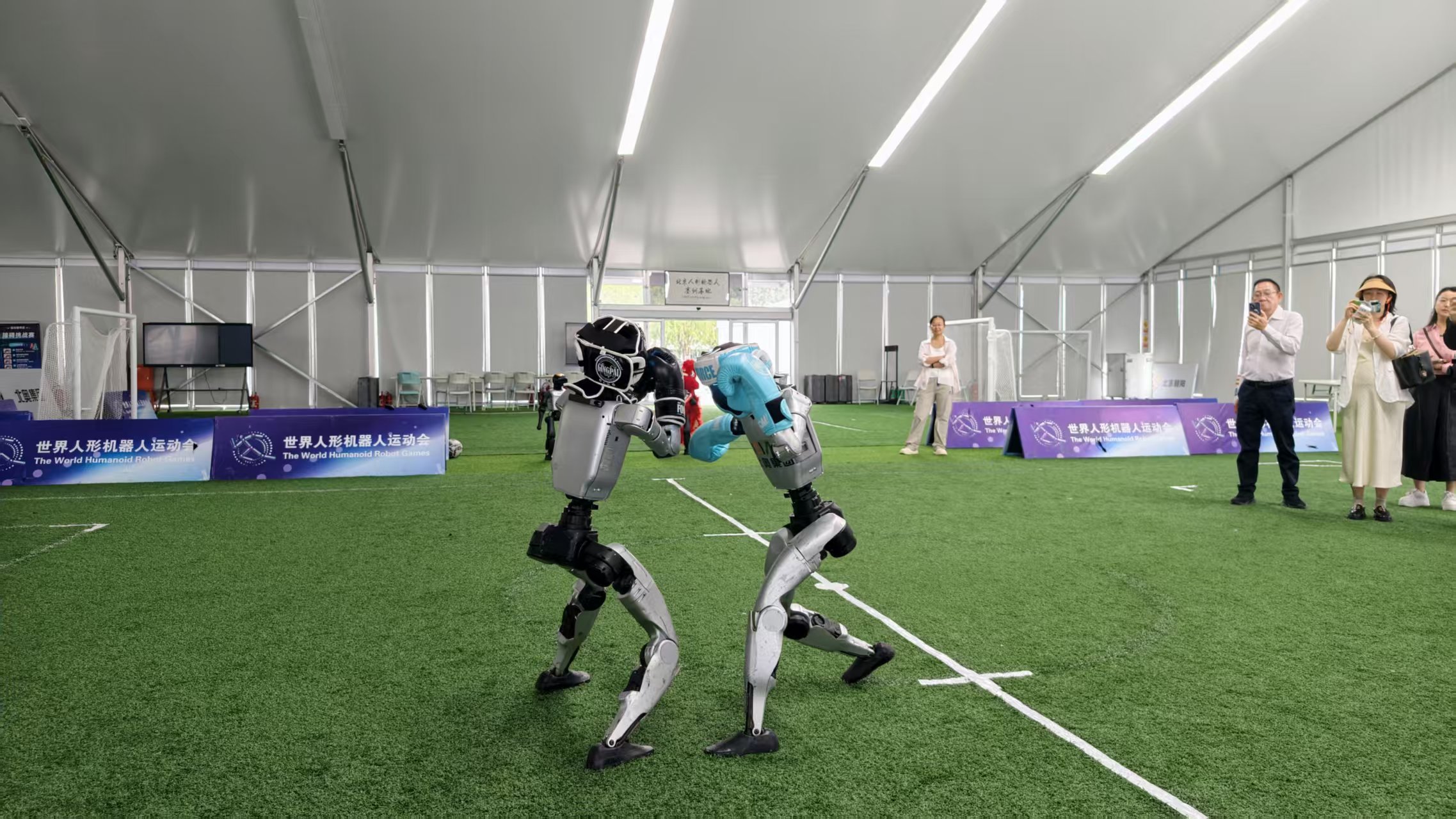
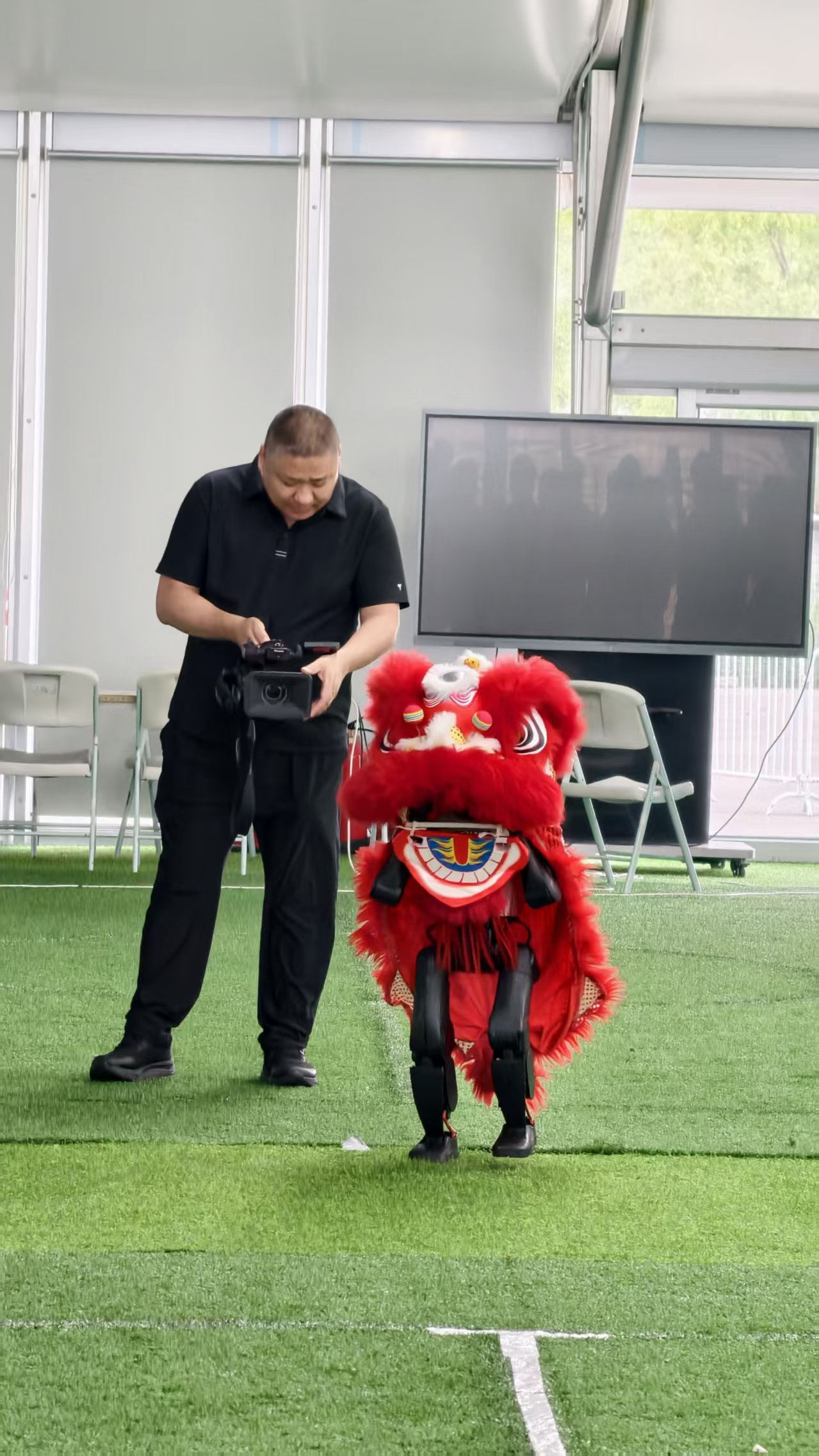
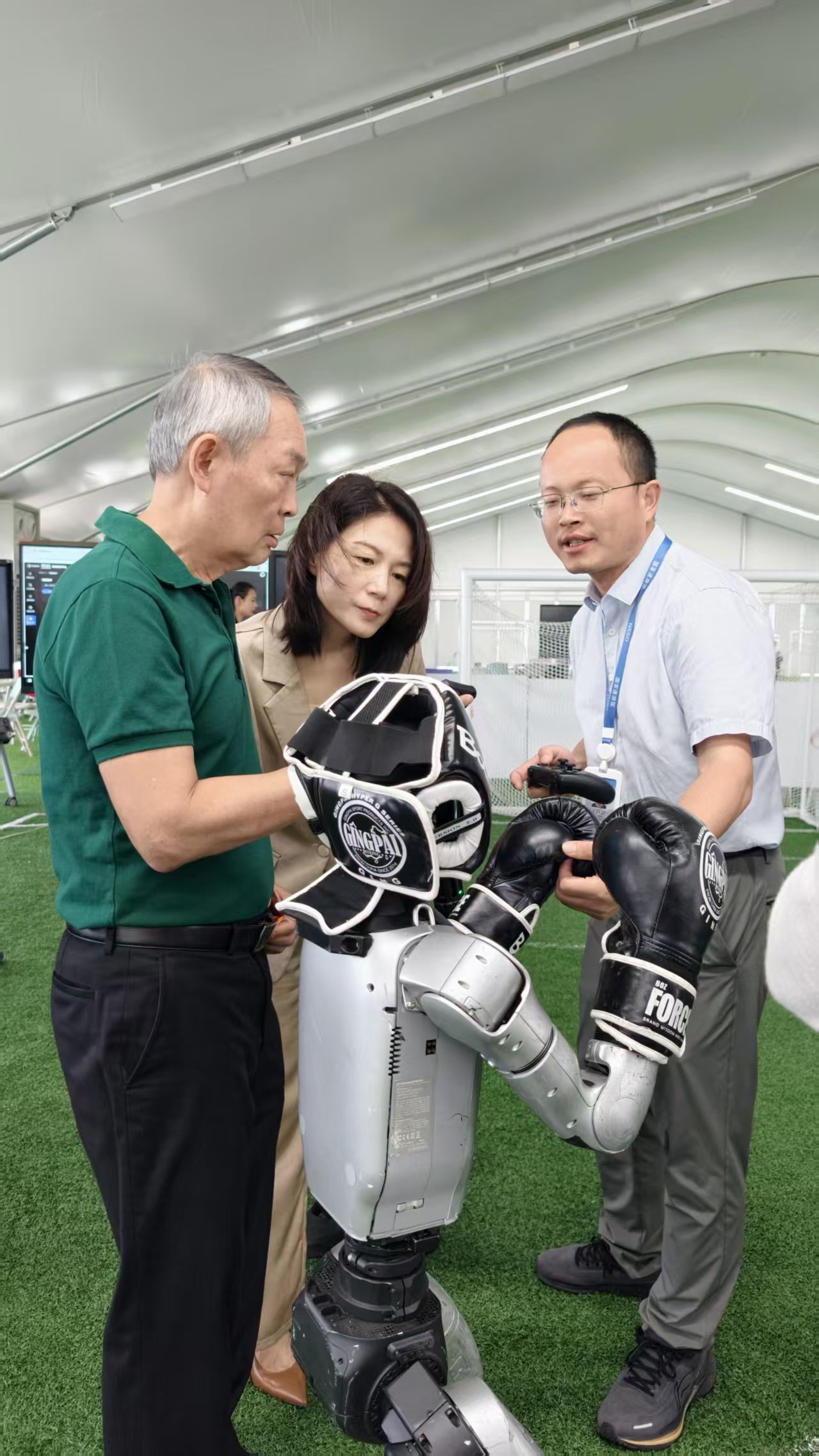
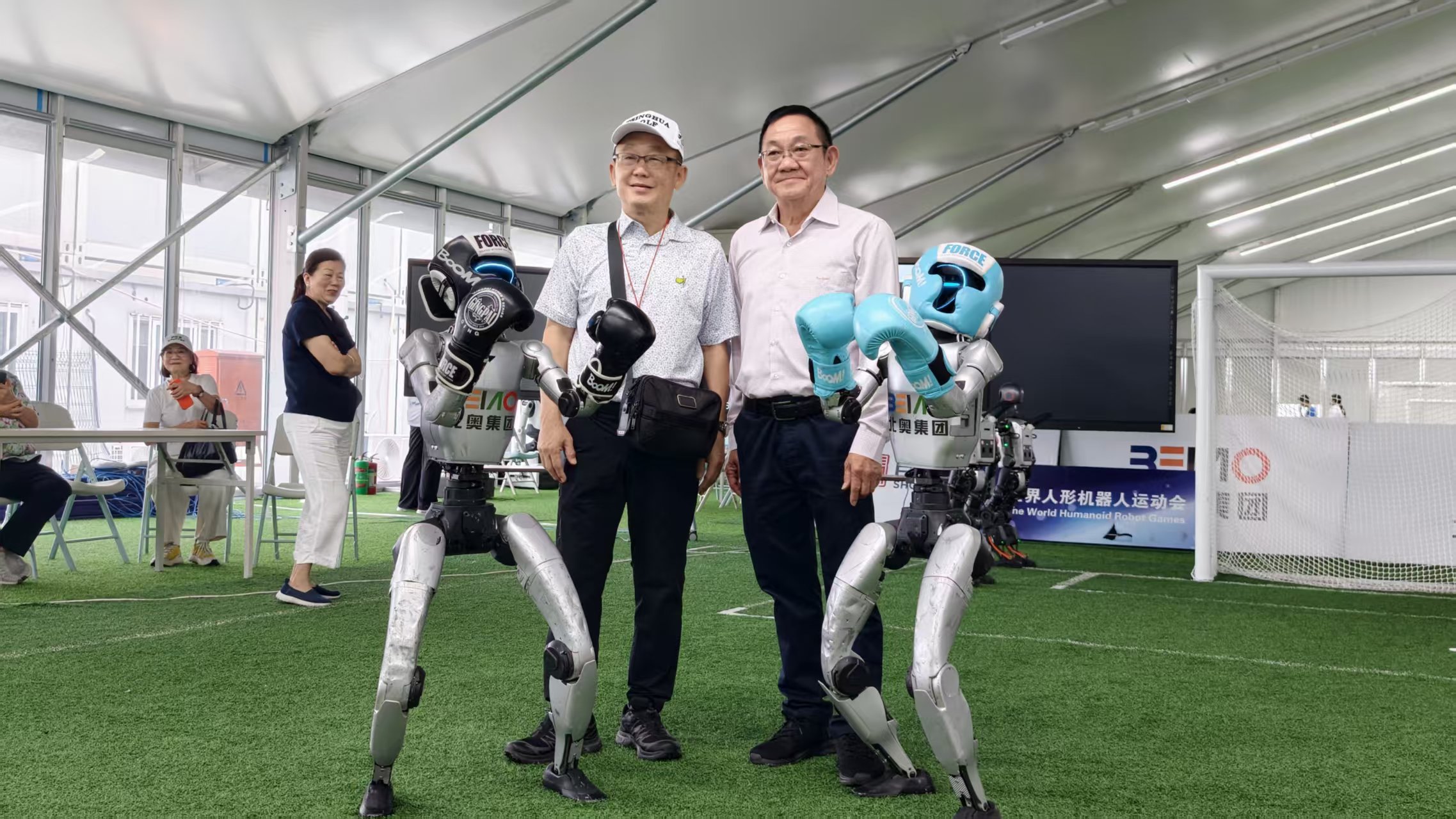
The Beijing Humanoid Robot Base: Located in the sunken plaza of the Winter Olympics "Ice Ribbon," this facility demonstrated embodied AI through boxing, soccer-playing, and traditional lion-dancing humanoid robots, proving how rapidly robotic agility is transitioning from lab testing to the future labor force.
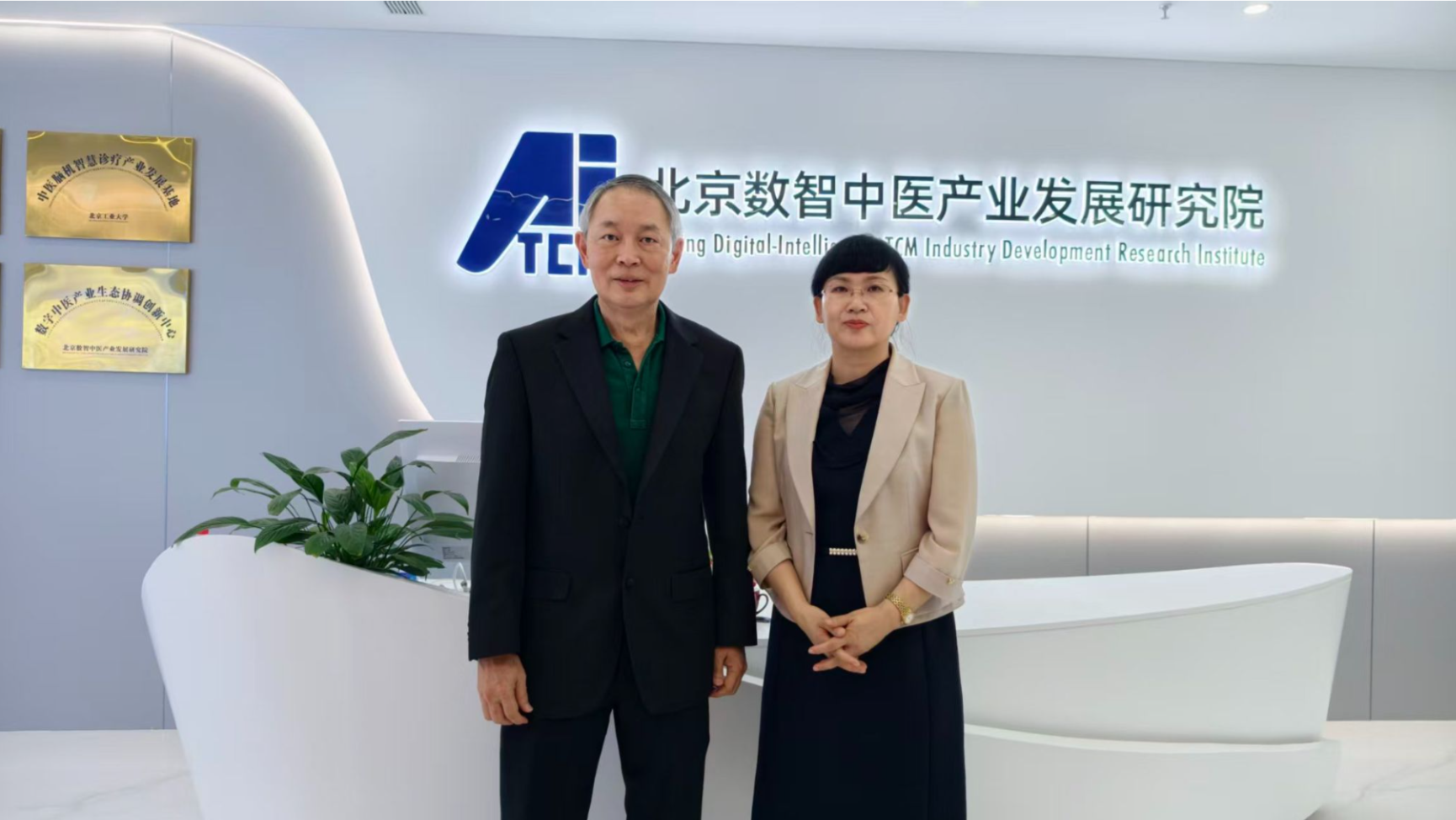
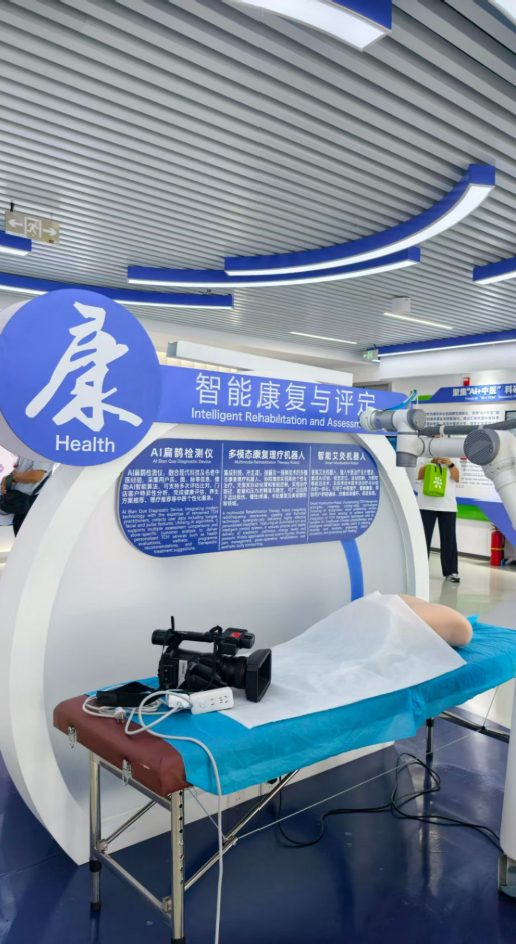
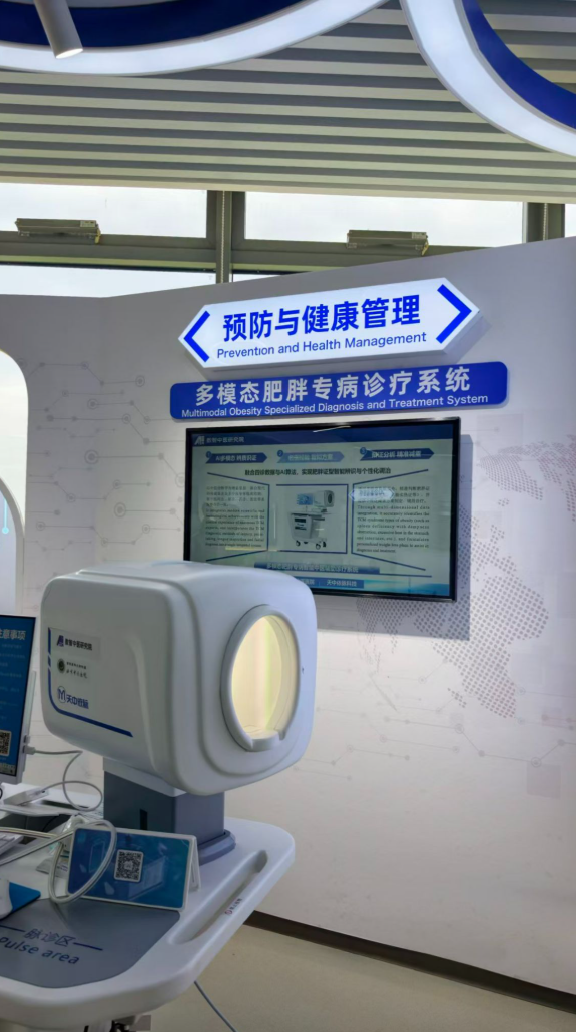
AI-Driven Traditional Chinese Medicine: Proving that digital transformation penetrates heritage industries, delegates toured an advanced HealthTech facility where modern AI algorithms actively decode, standardize, and optimize centuries-old medicinal practices.
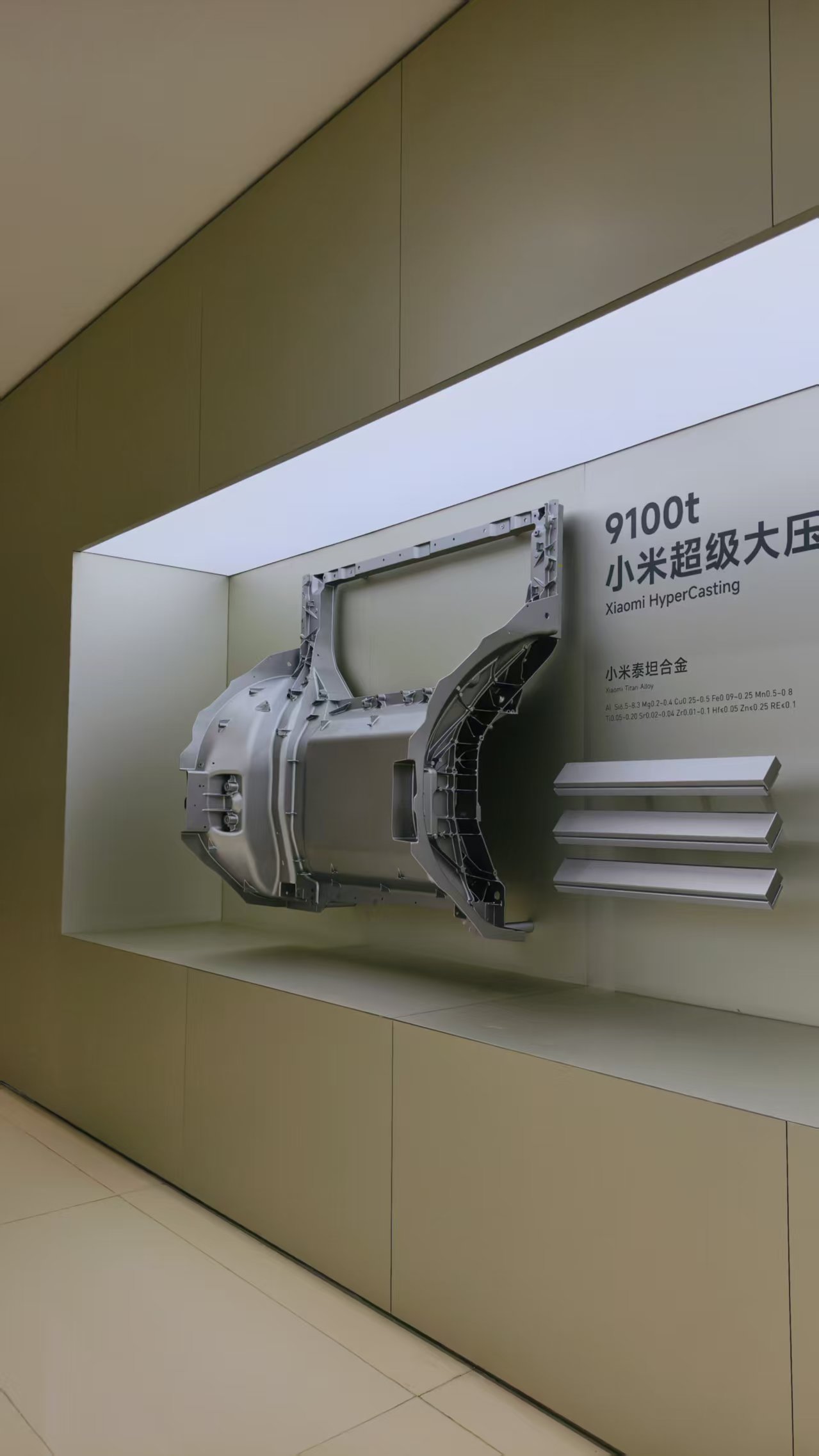
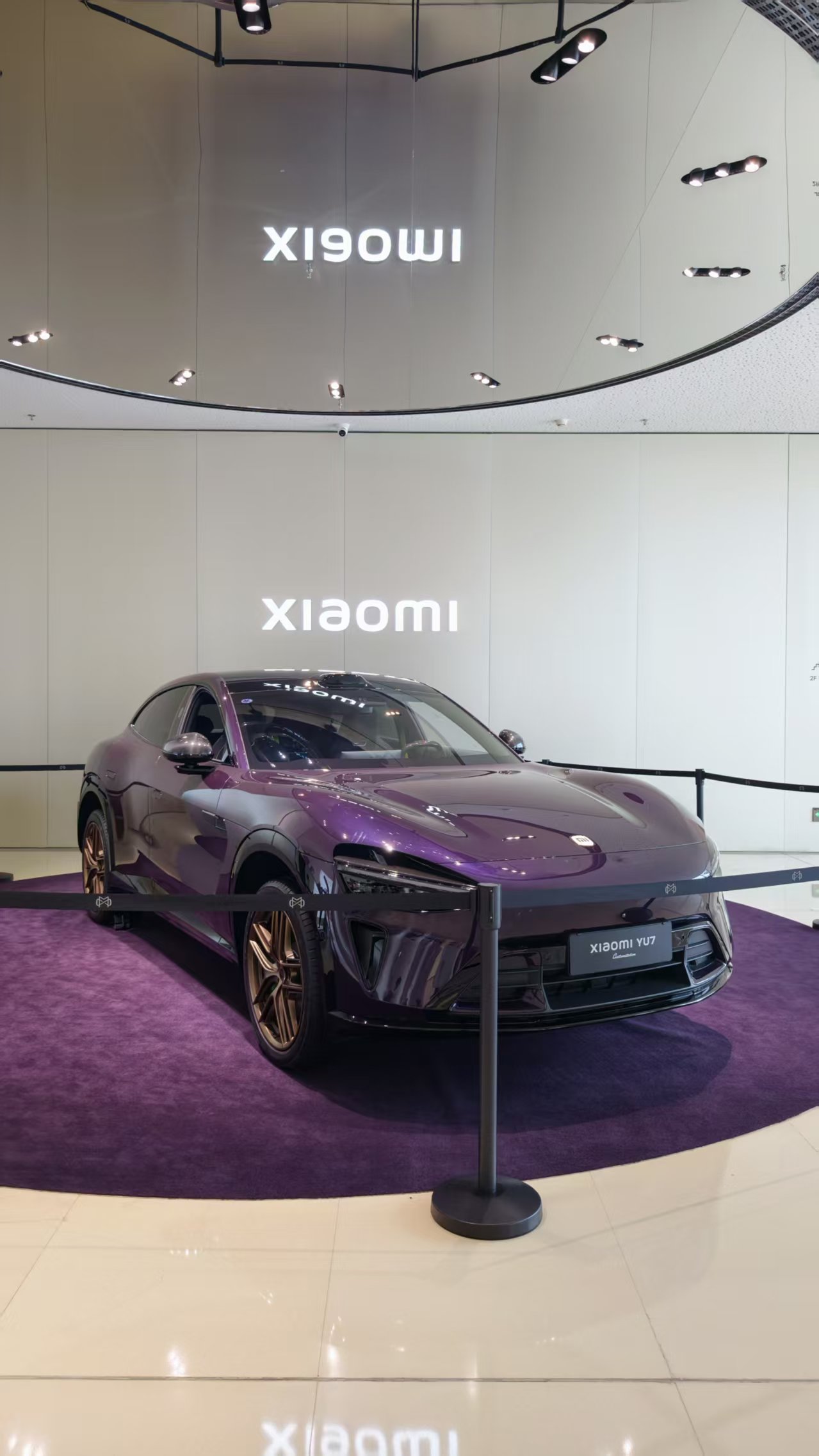
The Xiaomi EV Super Factory: The cohort witnessed extreme manufacturing efficiency firsthand via Xiaomi's giant die-casting line. This massive giga-casting process eliminates traditional component welding, drastically lowering vehicle weight and production times.

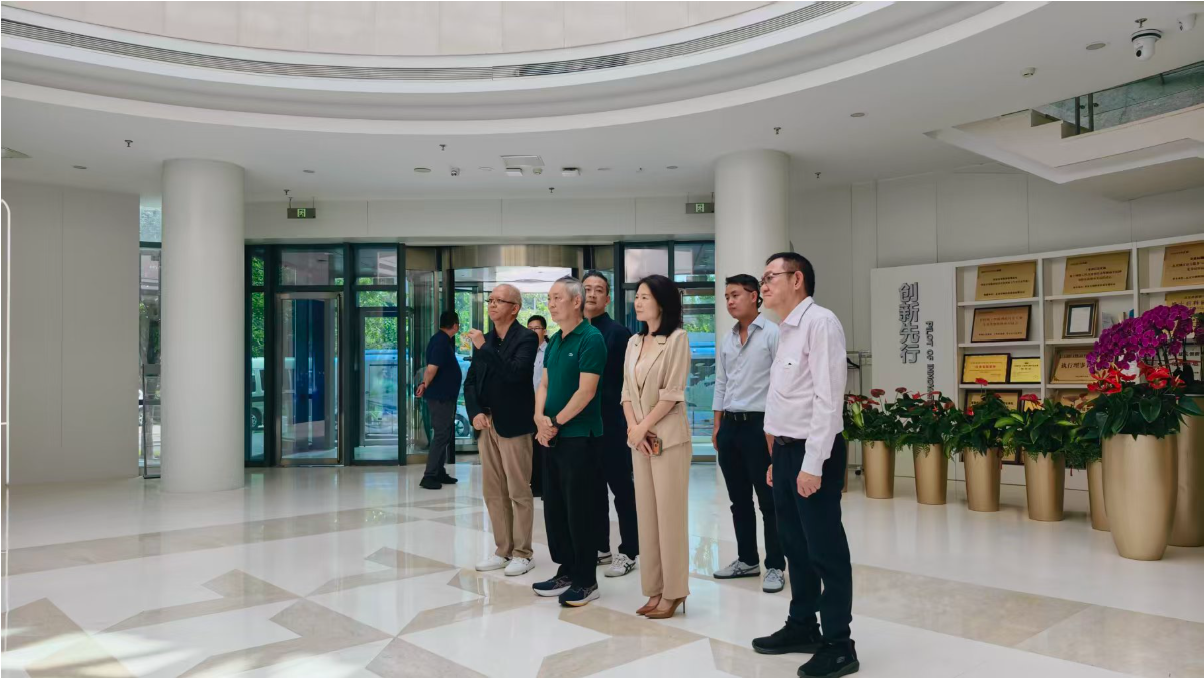
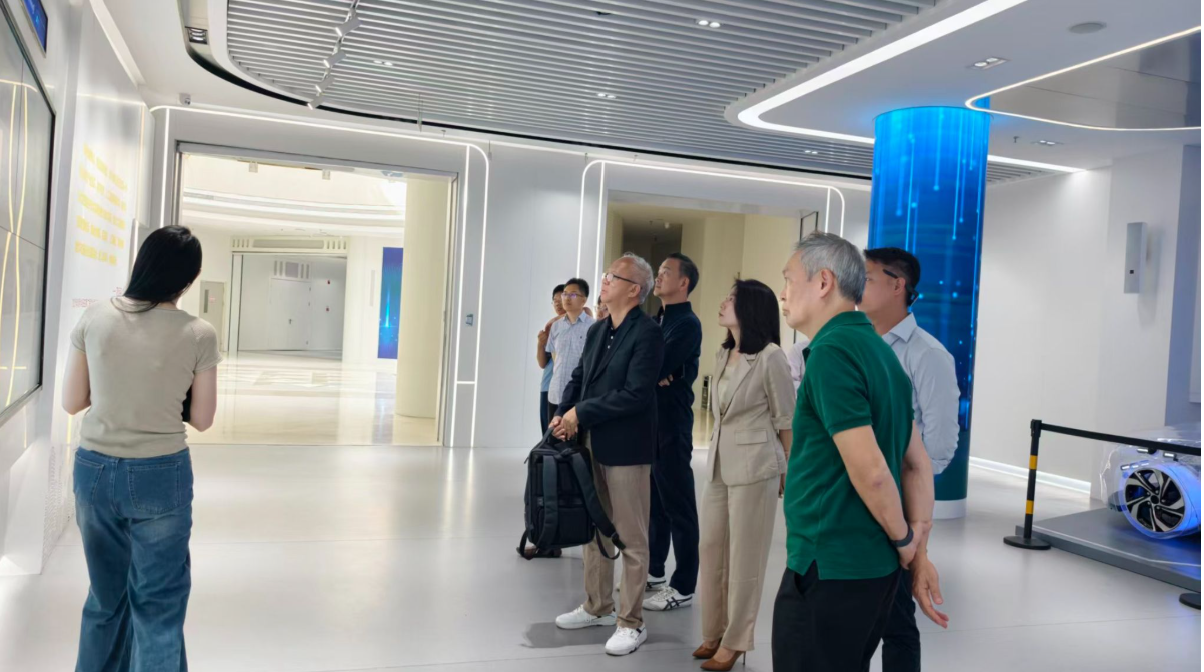
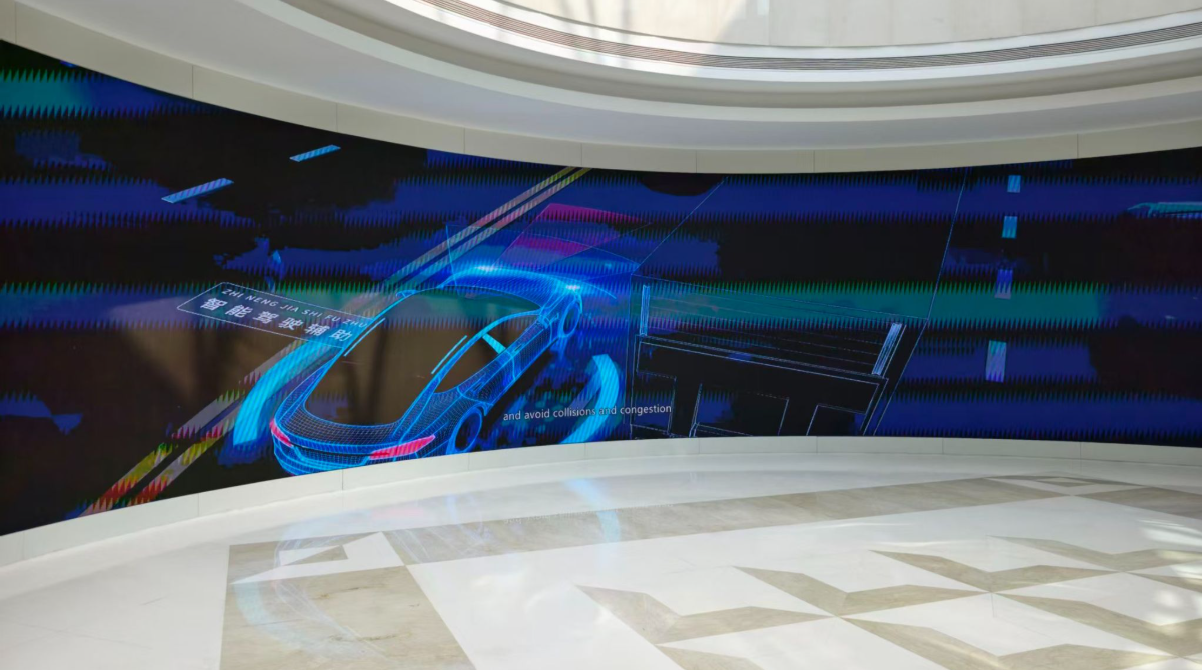
Autonomous Driving Regulatory Sandbox: The tour concluded within China's first 600-square-kilometer commercial autonomous driving zone. Operating on a comprehensive "Vehicle-Road-Cloud-Network-Map" integrated infrastructure provided by the city, the sandbox handles live robotaxis, unmanned retail, and heavy freight.
Looking Ahead
By connecting Singapore's digital leaders directly with high-level policymakers, prestigious academic institutions, and industry titans, AADE has reinforced its commitment to dismantling data silos and building a resilient, equitable digital future. The trust established during this five-day Beijing tour lays the groundwork for sustained, secure, and highly impactful cross-border technology deployment throughout the Asia-Pacific region.